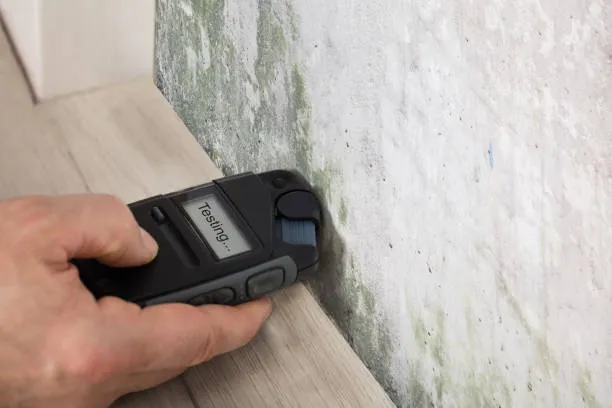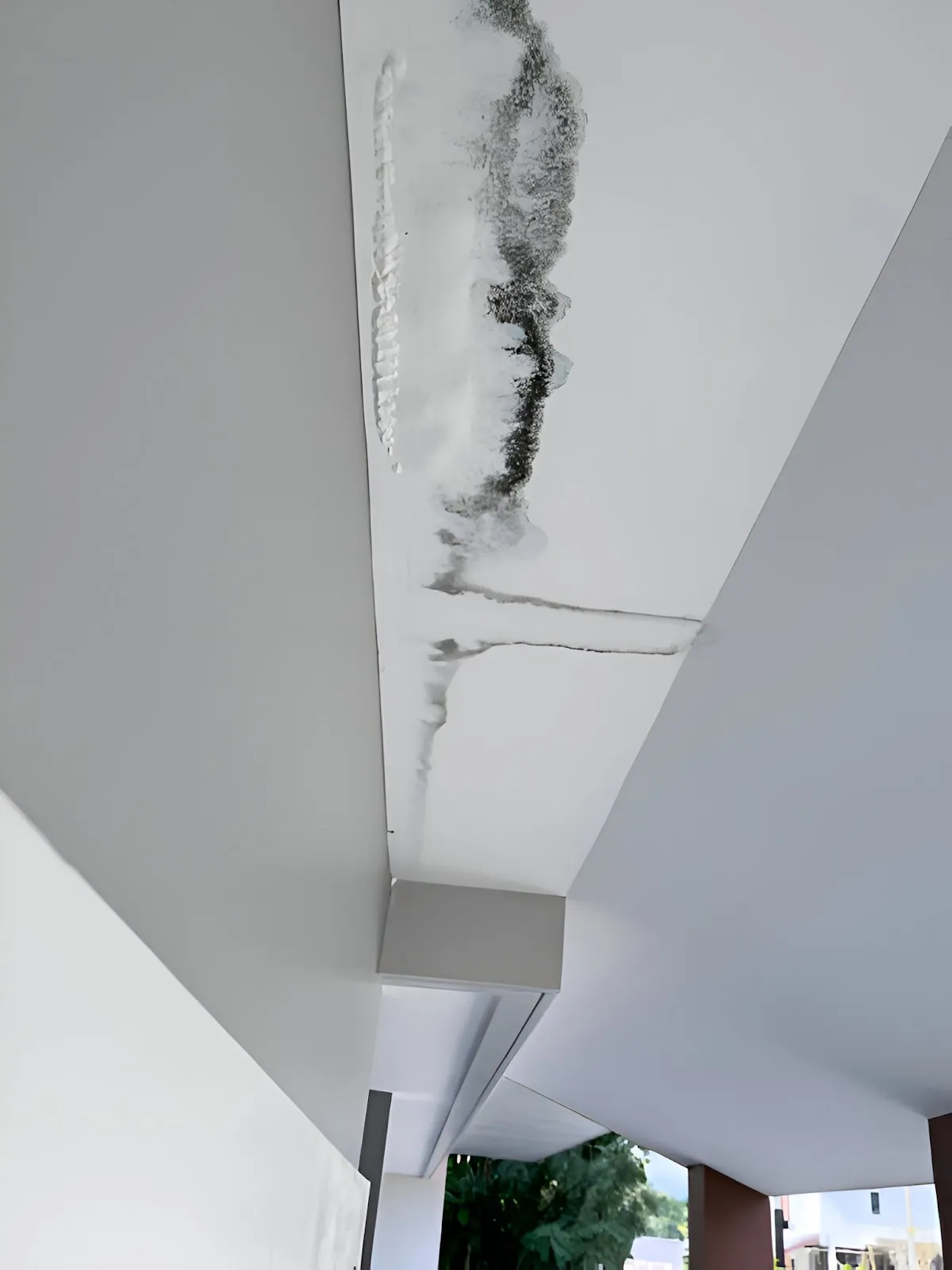

Many Australian families go on vacation from time to time.
And during this vacation, a canvas tent is the most commonly used form of shelter to shield from rain and sun and provide a place to sleep. But this wonderful experience can be thwarted if the tent is covered with mould from previous outings.
Mould on canvas is a common issue faced by campers, trailers, or tent owners. This is because the tent is exposed to humid conditions and not properly cleaned after each camping experience.
Having in mind how mould forms and how to prevent it can save your tent from significant damage and ensure a more pleasant camping experience.
What causes mould on canvas?

Mould is a type of fungus that grows in damp, humid environments. When your canvas tent is exposed to moisture for extended periods, such as after a rainy camping trip or when packed away wet, mould can begin to grow. The natural cotton fibres in canvas provide an ideal environment for mould spores, which can lead to ugly stains, unpleasant odours, and even structural damage to your tent. Mould on your camping tent is not just an aesthetic issue; it can weaken the fabric and reduce the lifespan of your tent.
To prevent mould, it’s essential to keep your canvas tent dry. After every use, make sure to dry it thoroughly before packing it away. Even a small amount of moisture trapped in the fibres can lead to mould growth. Properly airing out your tent and ensuring it’s dry before storage is the first line of defence against mould.
Preventing Mould on Canvas
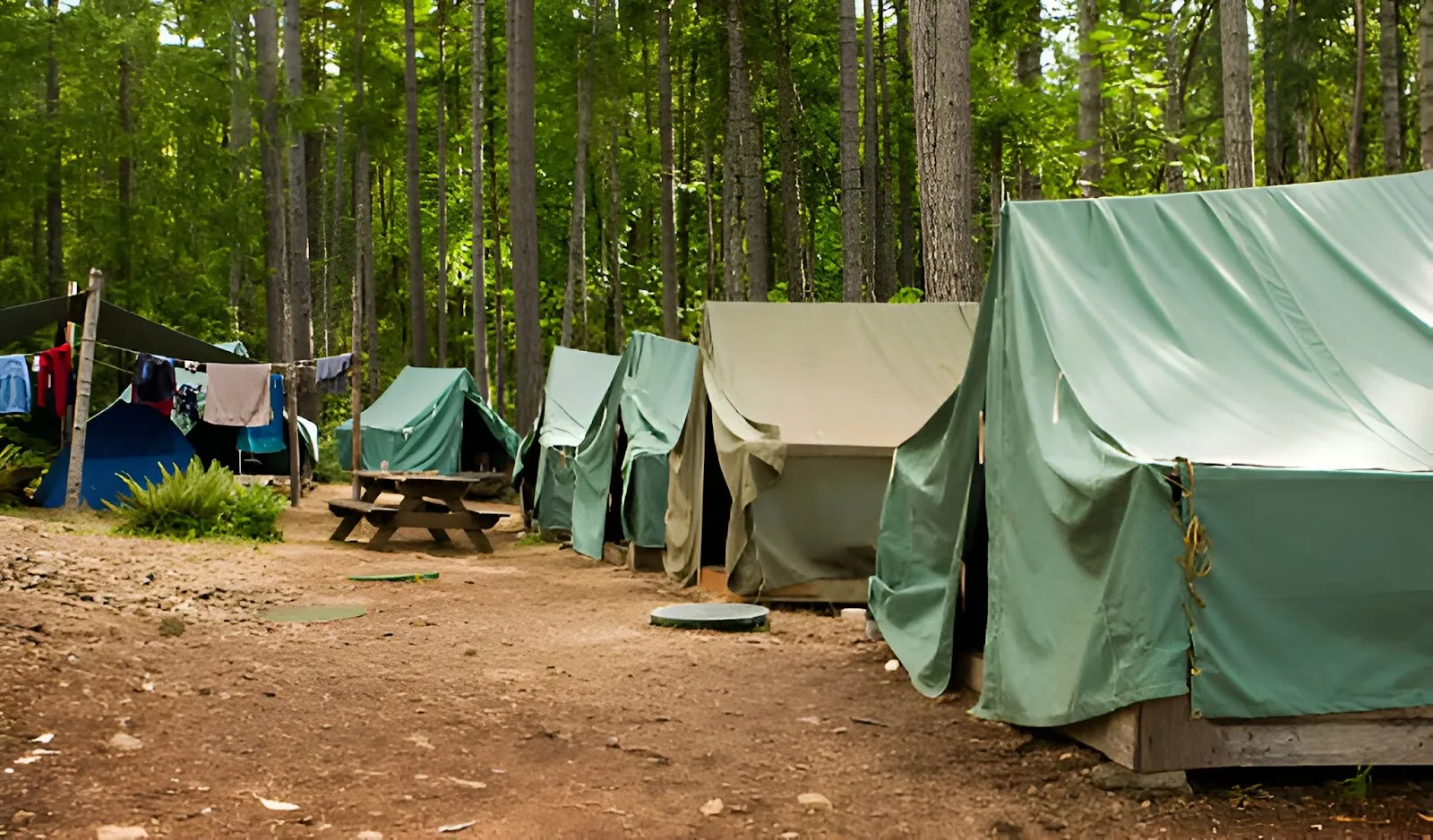
Preventing mould on canvas is achievable through detailed and focused work. Start by choosing a campsite with good ventilation, away from areas prone to moisture buildup, such as low-lying or heavily shaded spots. If you’re camping in a region with high humidity, consider setting up your tent where it can receive ample sunlight, as sunlight is a natural mould inhibitor.
When packing up your tent, always ensure it’s completely dry. If the weather doesn’t permit you to dry it at the campsite, set it up at home and let it dry thoroughly. Storing a wet or damp tent is a sure way to invite mould. Additionally, consider applying a mould-resistant treatment to your canvas tent. These treatments create a protective barrier that helps prevent mould from taking hold on the canvas material.
Steps to Clean Mould from Your Canvas Tent

Despite your best efforts, mould can still find its way onto your canvas tent. If you discover mould, it’s important to address it promptly to prevent further damage. Here’s how to clean your canvas tent effectively.
Cleaning Mould from Canvas
Begin by setting up your canvas tent in a well-ventilated area, preferably outdoors. You’ll need a solution that can effectively remove mould without damaging the canvas material. A mixture of vinegar and water is recommended, as vinegar is a natural antifungal that can kill mould spores without the use of harsh chemicals. Spray the solution directly onto the mouldy areas and let it sit for about an hour to allow the vinegar to penetrate the mould.
After letting the vinegar solution sit, gently scrub the affected areas with a soft brush or cloth. Avoid using excessive force, as aggressive scrubbing can damage the canvas. If the mould has penetrated deeply into the fabric, you may need to repeat the process or consider using a commercial mould removal product specifically designed for canvas.
Once the mould is removed, rinse the area thoroughly with clean water to wash away any remaining vinegar solution. Allow the tent to dry thoroughly in the sun before packing it away. This step is important, as any remaining moisture can lead to new mould growth.
Dealing with Stubborn Mould Stains
Sometimes, even after removing the mould, you may be left with resistant stains on your canvas tent. These stains can be particularly stubborn and difficult to remove. For tough stains, a mixture of lemon juice and salt can be effective. Apply the mixture to the stain and let it sit in the sun. The acidity of the lemon juice, combined with the sun’s bleaching effect, can help lighten the stain.
If the stain persists, it’s important to avoid using bleach or other caustic chemicals, as they can damage the canvas. Instead, consider applying a canvas-specific stain remover. Always follow the manufacturer’s instructions and test the product on a small, inconspicuous area first to ensure it doesn’t damage the fabric.
Maintaining Your Canvas Tent
Maintaining your canvas tent properly is key to extending its lifespan and ensuring it remains resistant to mould. Regular maintenance, especially after each camping trip, can prevent minor issues from becoming major problems.
Regular cleaning and maintenance
After each camping trip, it’s important to clean your canvas tent, even if you don’t see any visible mould or dirt. Dirt and debris can hold moisture against the canvas, creating a breeding ground for mould. Gently wipe down the tent with a damp cloth to remove any surface dirt. For deeper cleaning, use a mild detergent and water. Avoid using harsh chemicals, as they can weaken the canvas fibres and reduce the tent’s water resistance.
Inspect your tent regularly for signs of wear and tear. Look for small holes, frayed seams, or areas where the canvas may be thinning. Addressing these issues early can prevent them from worsening and compromising the integrity of your tent. If you notice any areas that require repair, consider using a patch kit specifically designed for canvas tents.
Proper storage techniques
How you store your canvas tent is just as important as how you use it. Always store your tent in a cool, dry place to prevent moisture buildup. Avoid storing it in a damp basement or attic, as these environments can lead to mould growth. If possible, store your tent in a breathable bag, rather than a plastic one to allow any residual moisture to escape.
Before storing your tent for an extended period, consider treating it with a mould-resistant spray. This extra layer of protection can help prevent mould from developing during storage. Additionally, make sure the tent is packed loosely to avoid compressing the fibres, which can lead to creases and weak spots in the fabric.
How to treat and remove heavy mould growth
If your canvas tent has been exposed to prolonged moisture or stored improperly, you may encounter heavy mould growth. Heavy mould requires a more intensive cleaning process to restore your tent to its original condition.
Treating heavy mould growth
For heavy mould on your canvas tent, you’ll need a stronger solution than vinegar alone. A mixture of water and a mild detergent can be effective for treating large areas of mould and also helps to clean a canvas. Apply the solution to the affected areas and allow it to sit for a longer period, typically 20-30 minutes. This gives the solution time to penetrate the mould and loosen its grip on the canvas.
After the solution has had time to work, gently scrub the mouldy areas with a soft brush. It’s important to be patient and thorough during this process to ensure all the mould is removed. If the mould persists, you may need to call in professionals to get rid of the mould.
Preventing future mould growth
Once you’ve successfully removed the mould, prevention comes next. Ensure your tent is completely dry before packing it away. Consider applying a mould-resistant treatment to the entire tent, not just the areas that were affected by mould. This will help protect the canvas from future mould growth and extend the life of your tent.
In addition to treating the canvas, pay attention to the environment in which you store your tent. Mould loves dark, damp conditions and excess moisture, so it’s important to store your tent in a place that is dry and well-ventilated. If you live in a particularly humid area, consider using a dehumidifier in the storage space to reduce the risk of mould growth.
Conclusion
Taking care of your canvas tent requires vigilance and regular maintenance. With these tips in mind and understanding what causes mould on canvas and taking steps to prevent it, you can keep your tent in great condition for years to come. Regular cleaning, proper storage, and timely treatment of any mould growth are key to preserving the integrity of your tent.
If you’re a seasoned camper or just starting your adventure, knowing how to clean and maintain your canvas tent will ensure it remains a reliable shelter on all your future camping trips. Remember, the key to a long-lasting canvas tent is to keep it clean, let dry, and well-maintained, so you can enjoy many more outdoor adventures without the worry of mould and mildew.
However, if you already have some mould on your canvas, it’s best not to leave it untreated. In Australia, we are the chosen mould specialists trained to remove all kinds of toxic mould from your canvas. We’ll clean and remove mould from the surface of the canvas, ensuring not to damage the fibre. Contact us today for a quote and an inspection.
FAQs
To clean your canvas tent after a camping trip, start by setting it up in a well-ventilated area. Gently remove dirt and debris by rubbing with a soft cloth. Avoid using harsh chemicals that can be caustic and damage the canvas. For more stubborn spots, a mixture of mild detergent and water can be used. Be sure to allow the tent to dry thoroughly before storage to prevent rot.
When cleaning a canvas tent, it’s important to avoid using caustic chemicals, as they can cause damage to the canvas material. Instead, use a mild detergent and gently scrub the surface. Pay special attention to the awning and bell areas, which tend to accumulate more dirt. Always allow the canvas to dry completely after cleaning to prevent any potential rot.
Mould on your canvas tent can start as tiny black specks, so it’s important to regularly inspect your tent. Check areas that tend to stay damp, such as the awning, for signs of mould. Early discovery allows you to address the issue before it spreads, causing rot or structural damage to the canvas.
To remove mould from canvas, use a mixture of water and vinegar or a mild detergent. Avoid caustic substances, as they can damage the canvas. Gently scrub the mouldy area, being careful not to apply too much pressure, as excessive rubbing can weaken the fabric. After cleaning, ensure the canvas is dried thoroughly to prevent any further mould growth.
Mildew can appear as a white or greyish powder on your canvas tent and is often found in damp or poorly ventilated areas. Gently rubbing the mildew with a soft cloth soaked in a mild detergent solution can remove it without causing harm to the fabric. Avoid caustic cleaning agents that can damage the canvas. Ensure the tent is dried completely after cleaning to prevent the return of mildew.
If you discover mould on your canvas tent, act quickly to prevent it from spreading. Mould often starts as tiny black specks and can lead to more significant issues, like rot, if not treated. Use a mild cleaning solution to remove the mould and avoid rubbing too harshly, as it can damage the canvas. After cleaning, ensure the tent dries thoroughly to prevent further mould growth.
For Australian campers, where the climate can be both humid and harsh, it’s important to take extra precautions to prevent mould. Always ensure your tent is thoroughly dried before packing it away, and consider using a laminate or mould-resistant treatment on the canvas. Regularly inspect the tent for tiny black specks or early signs of mould, and address any issues promptly to avoid rot or damage to the fabric.