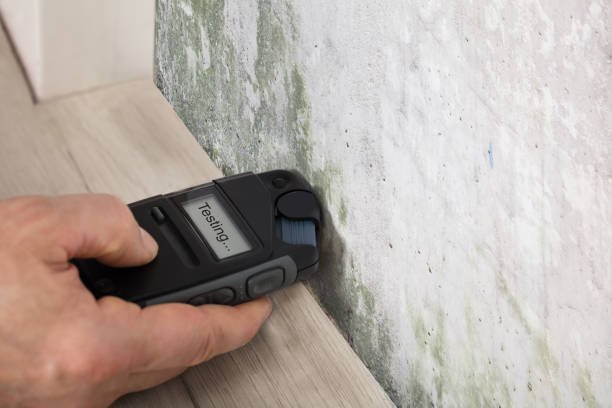
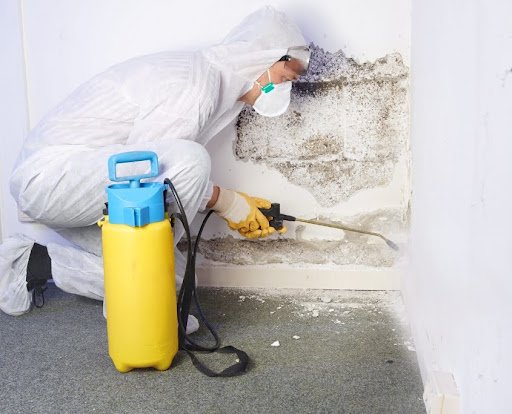
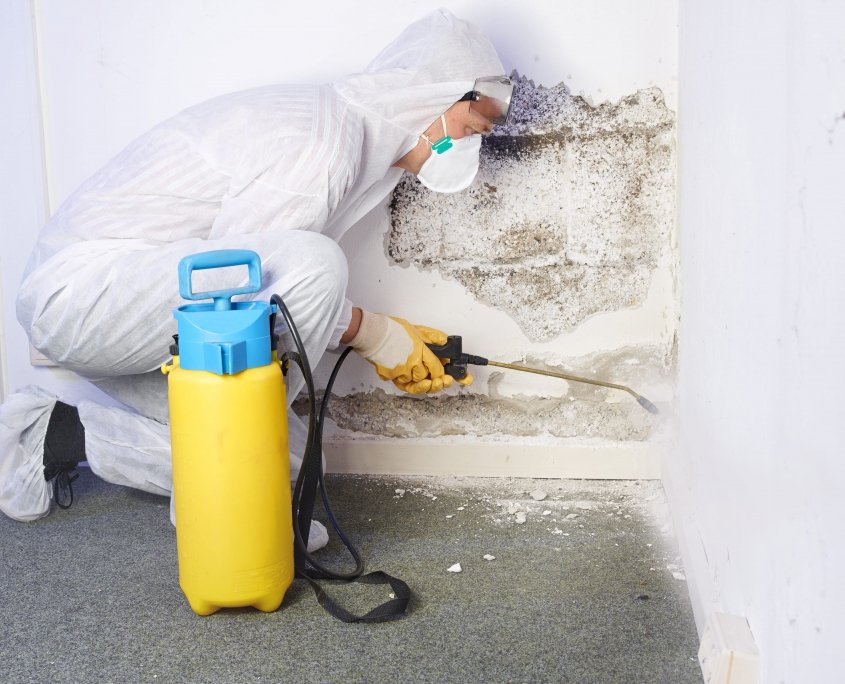
Mould and mildew can be persistent problems in homes across Australia, causing not only unsightly stains but also serious health issues. Finding an effective mould remover is essential for maintaining a clean and healthy living environment. This guide explores the best mould removal solutions available, their safe application, and the best way to treat stains on surfaces.
What is the best mould removal solution for indoor surfaces?
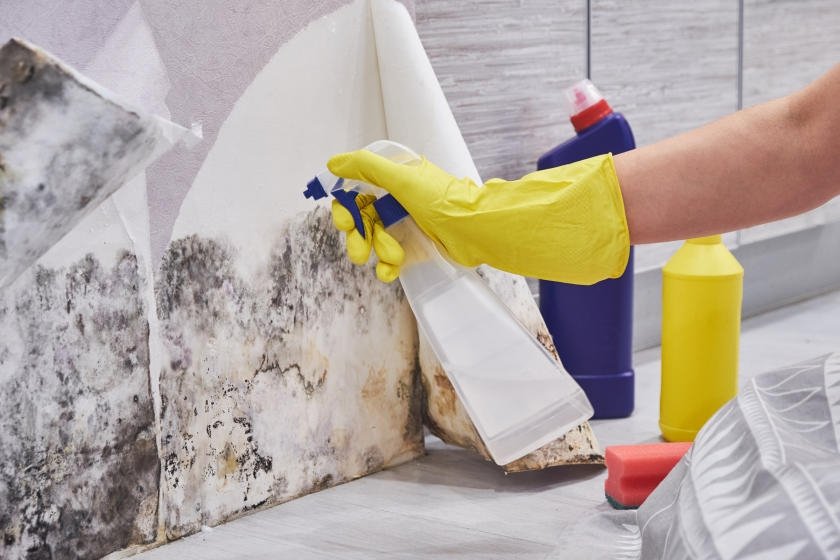
When it comes to effective mould removal, understanding how a mould remover interacts with different surfaces is crucial. A high-quality mould cleaner is designed to penetrate the porous surfaces where mould and mildew thrive, including wood, fabric, tiles, and even painted surfaces. When you apply the solution, it works by breaking down the structure of the mould spores, effectively killing them and allowing for easy removal. In interior settings, where moisture often collects, using a mould remover regularly can help eliminate existing mould growth and prevent its return.
The effectiveness of mould removal largely depends on the ingredients used in the cleaner. Many effective mould cleaning products contain active ingredients like hydrogen peroxide, vinegar, or specific surfactants that are safe to use yet powerful against mould and mildew. These components work together to kill the mould spores and allow the cleaner to interact with the surface more effectively. Additionally, some formulations incorporate agents that not only eliminate mould but also provide long-lasting protection against its regrowth, making them ideal for regular use in areas prone to dampness.
To achieve the best results when using a mould remover, it’s essential to follow a systematic application process. Start by ensuring the area is well-ventilated, as this reduces the concentration of mould spores in the air. Next, shake the mould removal spray bottle to mix its contents thoroughly. Apply the solution generously to the affected surface, ensuring it penetrates any stains or porous areas. Allow the cleaner to sit for the recommended time to ensure it kills the mould effectively. Afterwards, scrub the area with a brush or cloth to remove the dead mould and rinse with water to eliminate any residue. Repeat the process if necessary to completely rid the surface of mould.
How can I remove mould and mildew from bathroom surfaces?
Bathrooms are notorious for fostering mould and mildew due to the high levels of moisture. A targeted approach to cleaning grout and tiles is essential for effective mould removal. Begin by mixing a strong mould cleaner or a homemade solution of vinegar and baking soda for a natural approach. Apply it generously to the grout lines and tiles, allowing it to sit for at least 10-15 minutes. This waiting period will allow the cleaner to penetrate and effectively kill the mould spores. Scrubbing with a brush specifically designed for tile grout will help dislodge stubborn stains, ensuring that all mould is removed. Rinsing with warm water will wash away the remaining cleaner and any loosened mould debris.
Using a mould remover on painted surfaces can be tricky; however, it is possible if done cautiously. Most modern mould cleaning products are formulated to be safe on painted surfaces, but it’s always best to conduct a patch test in a discreet area first. Apply the mould remover to a small section of the paint and let it sit for a few minutes before rinsing. If the paint remains intact, you can proceed with cleaning the larger area. Be sure to follow up with a rinse to prevent any potential damage to the paint finish.
The initial application of mould removal solutions is crucial for achieving effective results. Begin by identifying all areas affected by mould, often found in damp corners, behind appliances, and on various surfaces in the bathroom. Clear the area of any items that may obstruct access. Before applying the mould cleaner, ensure that the surface is dry to enhance the product’s penetration. Once you’ve applied the cleaner, allow it to act for the specified duration. This waiting time is vital for killing the mould spores and ensuring they do not return quickly.
What are the dangers associated with mould and mildew?

Mould growth can severely impact indoor air quality, releasing spores and volatile organic compounds (VOCs) into the air. These particles can irritate the respiratory system, leading to issues such as coughing, sneezing, and difficulty breathing. Over time, prolonged exposure to mould spores can exacerbate allergies and asthma, making it vital to address mould issues promptly. Maintaining good indoor air quality requires regular cleaning and immediate attention to any signs of mould growth.
Black mould, in particular, is notorious for its health risks. Exposure to black mould can lead to a range of health problems, including respiratory infections, allergic reactions, and neurological issues. Individuals with pre-existing health problems, such as asthma or compromised immune systems, are particularly vulnerable to the effects of black mould. Symptoms can include headaches, fatigue, and skin irritations, emphasising the importance of effective mould removal strategies to safeguard your health.
For those looking to eliminate mould safely without resorting to harsh chemicals, natural alternatives can be highly effective. Solutions made from vinegar, baking soda, or tea tree oil possess natural antifungal properties and can be used to kill mould spores. Applying these mixtures with a spray bottle and scrubbing the affected areas with a brush can yield excellent results without exposing your home to harmful chemicals. Regularly using these natural mould cleaners can also help prevent future mould growth.
What is the best way to treat mould stains on surfaces?
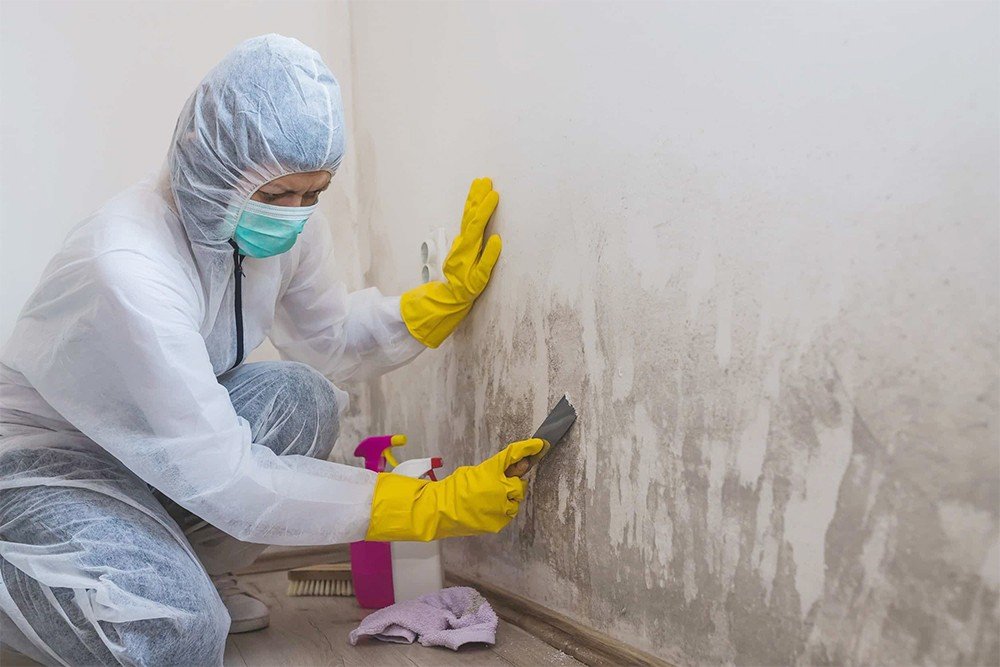
Stubborn mould stains can often be challenging to eliminate, but with the right approach, they can be removed effectively. Start by applying a concentrated mould removal solution directly onto the stained area and allowing it to penetrate for an extended period. For tougher stains, using a scrub brush with stiff bristles can help lift the stain from the surface. Following up with a thorough rinse will ensure that the area is clean and free from residue.
Formulations that include mould inhibitors are particularly effective for long-lasting results. These products not only kill existing mould but also create a protective barrier that prevents future growth. When choosing a mould remover, look for those that specify long-lasting effects on their labels. Regular application of these products in areas prone to moisture will help ensure your surfaces remain mould-free.
While bleach is commonly used as a mould cleaner, it is essential to understand its limitations. Bleach can kill mould on non-porous surfaces, but it does not penetrate porous materials, meaning that it can leave behind roots and spores that may lead to regrowth. Additionally, using bleach can produce harmful fumes and contribute to indoor air pollution. For a more effective and safer option, consider using a specially formulated mould removal product that is designed to penetrate and kill mould thoroughly.
Conclusion
Don’t let mould take over your home! Say goodbye to the health risks and unsightly stains associated with mould growth. Our powerful mould remover and cleaner is the ultimate solution to eliminate mould and mildew from any surface, big or small. Formulated with a potent blend of active ingredients, our product penetrates deep into the surface, killing mould at the root and preventing regrowth.
Experience the difference with our easy-to-use spray that effectively removes mould from tiles, grout, walls, and more. Keep your home healthy, fresh, and free from mould with Australia’s best mould remover.
FAQs
The effective mould remover & cleaner is designed to completely remove the mould using a biodegradable formula that is eco-friendly and easy to use. Simply spray it on the affected area and allow time to apply for optimal results.
It typically takes approximately 15–30 minutes to apply the product, depending on the severity of the mould problem. For stubborn types of mould, you may need to let it sit longer before rinsing.
Yes, the mould remover is suitable for both interior and exterior surfaces. Just make sure the surface is dry before applying, and you can use a hose to rinse off any excess product after treatment.
The cleaner can effectively kill a wide range of mould, including common household mould and more stubborn varieties. Always test a small area first to ensure compatibility with the surface.
Yes, the formula is biodegradable and eco-friendly, providing peace of mind for households with children and pets. However, it’s always best to ensure that the area is well ventilated during application.
You can easily add the mould remover to your cart on our website or through participating retailers across Australia. Look for our 2l bottles for the best value.
For optimal results and to prevent excessive mould growth, it is recommended to use the product regularly as part of your cleaning routine, especially in high-humidity areas.
If you find that the mould isn’t completely removed, you may need to apply a second treatment. The formula is designed to solve stubborn mould issues, so don’t hesitate to reapply if needed.
ng a mould-free environment.