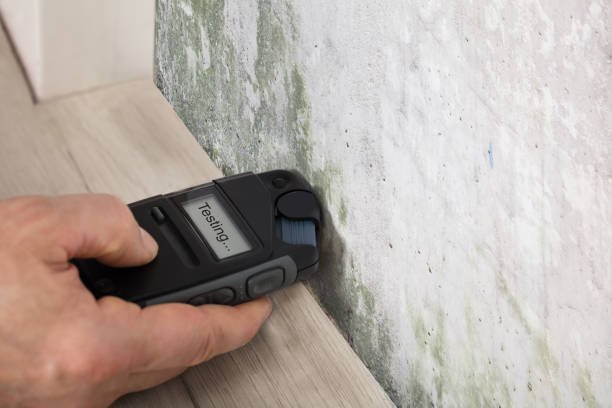
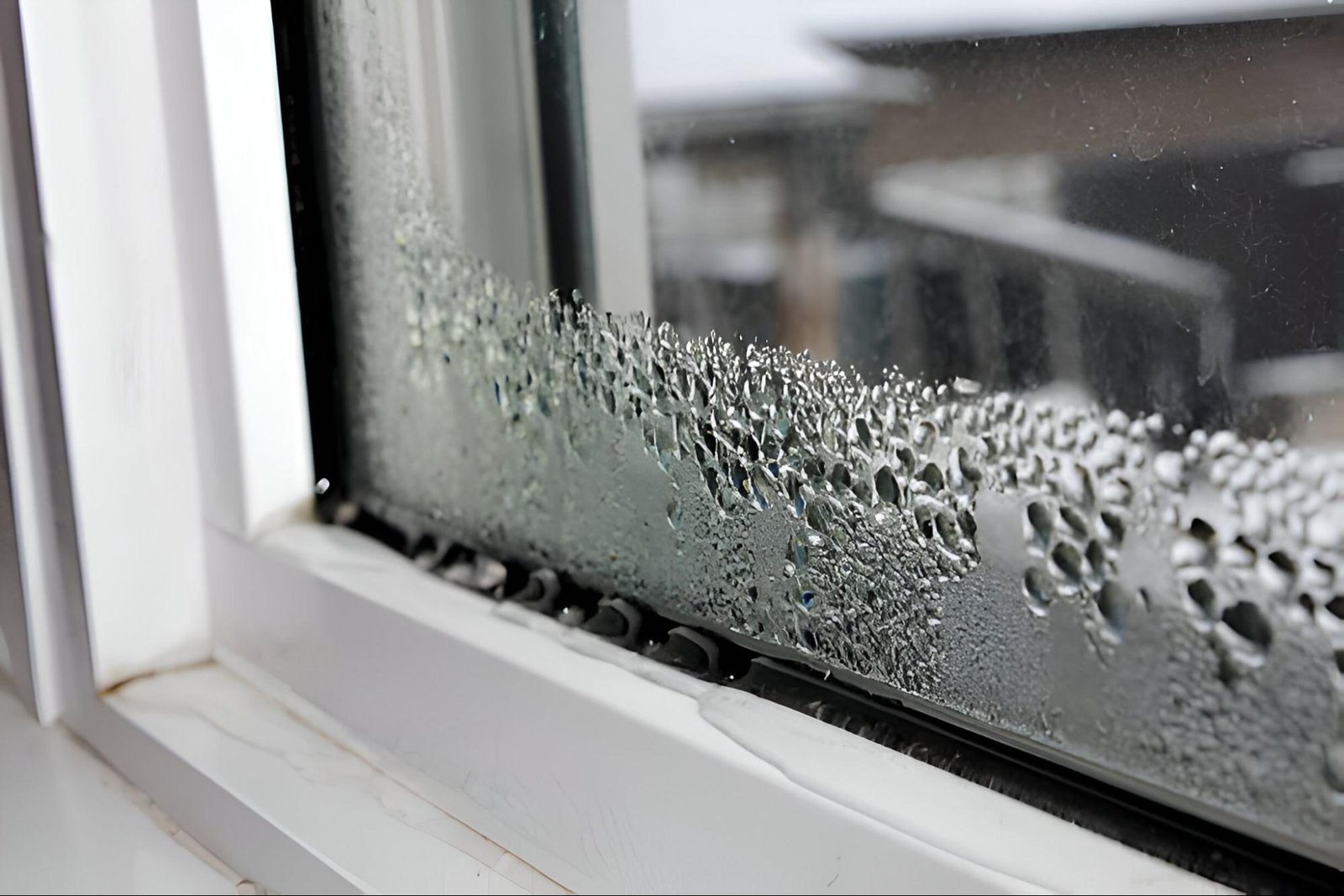
Mould around your windows is a common issue faced by many homeowners, particularly in areas with high humidity levels. This problem not only affects the beauty of your home but also poses significant health risks, especially when dealing with toxic black mould. To address this issue effectively, it is crucial to understand the causes, preventive measures, and removal techniques for mould on windows.
Causes of mould on windows
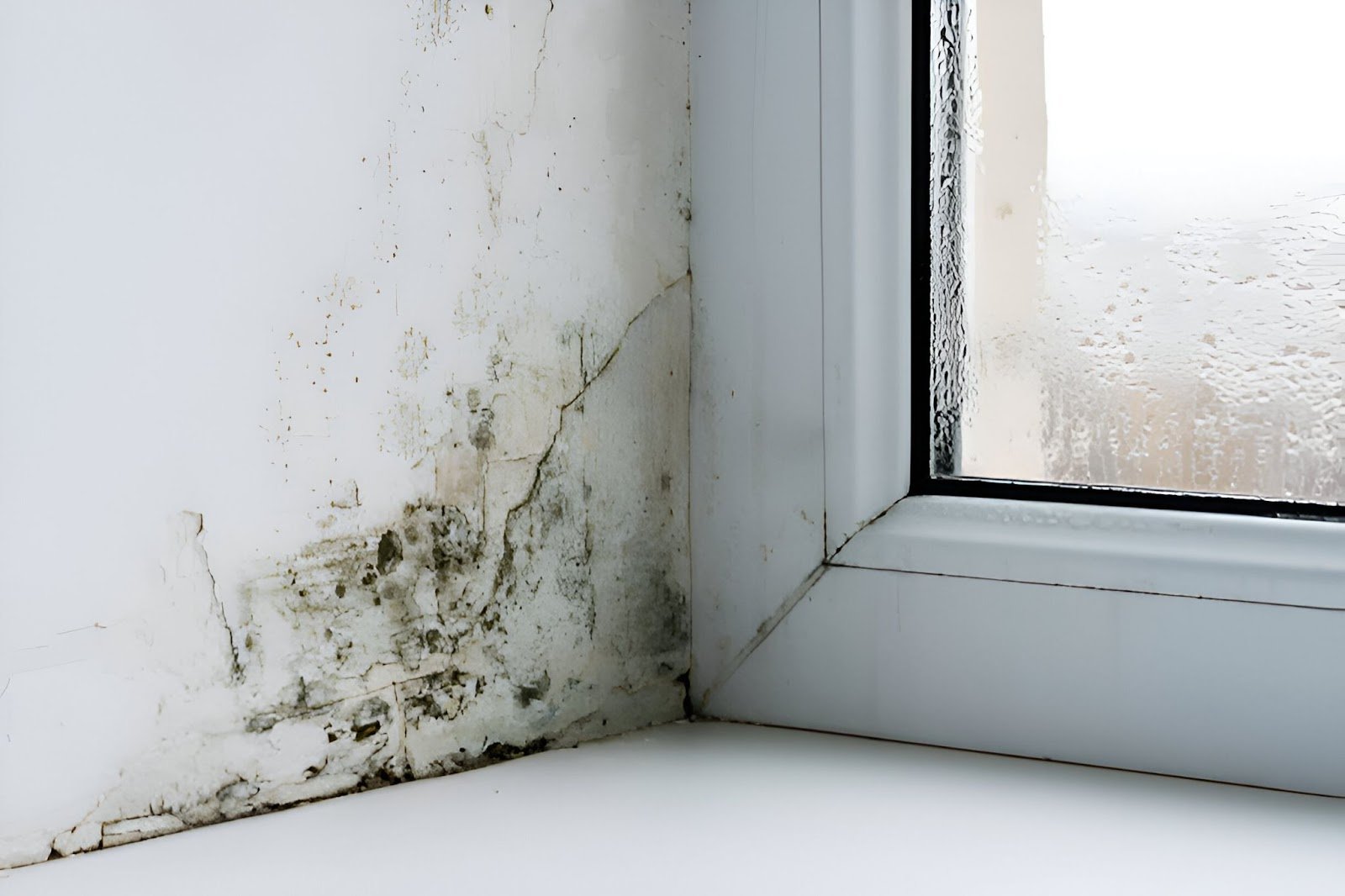
Inside your home, mould needs moisture or damp areas, and windows and frames are areas that are frequently humid. That’s not all, here are some factors that encourage the growth of mould around windows.
Condensation and humidity
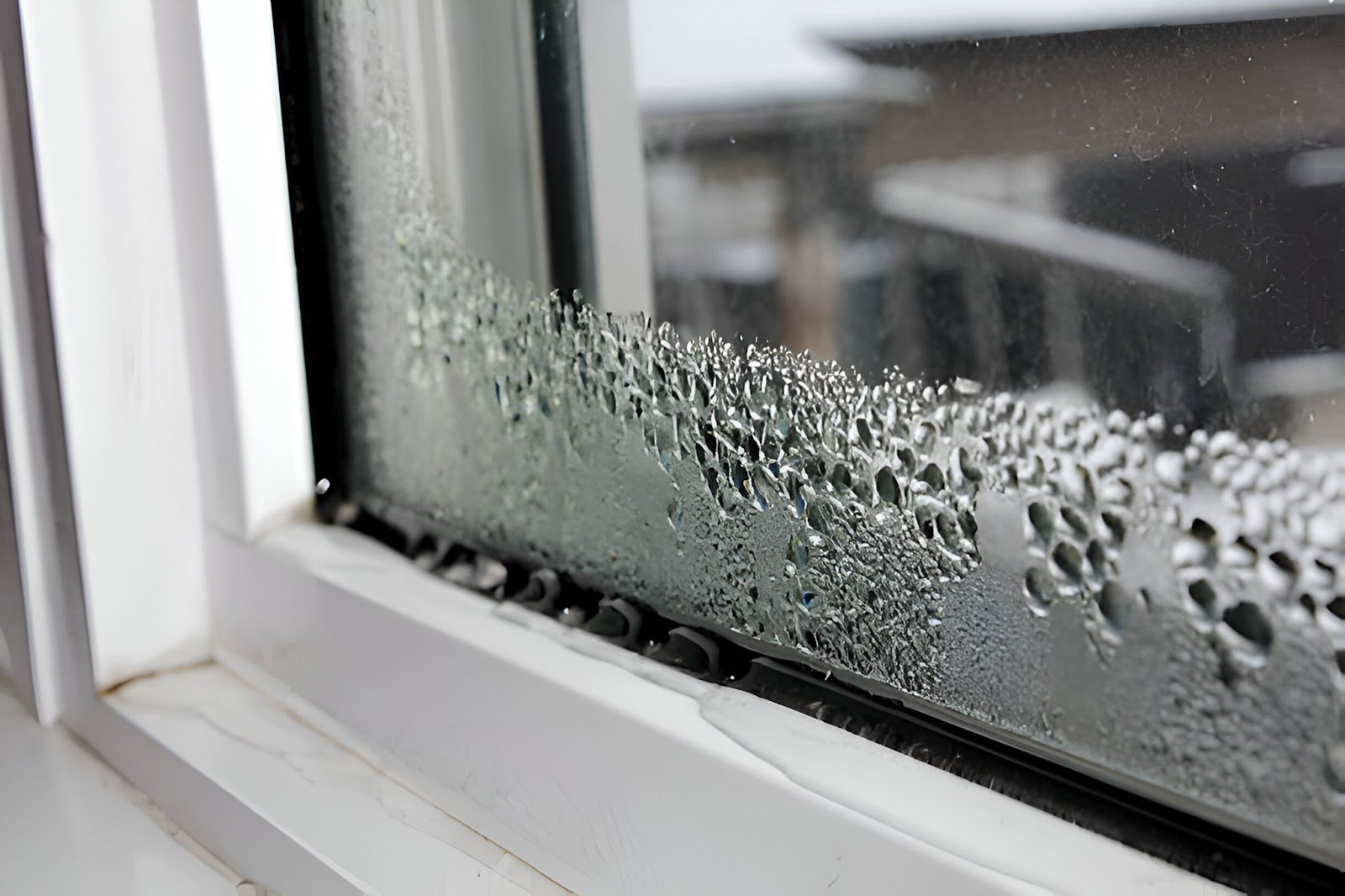
One of the primary causes of mould around windows is condensation, which occurs when warm, moist air inside the home comes into contact with the cooler window panes. This moisture creates a perfect environment for mould growth, particularly around the window sill and window frame. High humidity levels in the home can exacerbate this issue, leading to persistent mould problems.
Poor ventilation
Inadequate ventilation around windows can also contribute to mould growth. Without proper ventilation, excess moisture in the air can accumulate on and around windows, providing the damp conditions mould spores need to thrive. Ensuring proper ventilation is crucial to preventing mould from entering windows and maintaining a healthy indoor environment.
Leaks and water damage
Leaks around the window frame or water damage can also lead to mould growth. Any cracks or gaps in the window frame that allow water to seep in can create damp areas where mould can easily take hold. Regularly inspecting and maintaining your windows can help prevent water damage and reduce the risk of mould growth.
Health risks of mould on windows

Respiratory issues
Exposure to mould, depending on the types of mould, especially black mould, can cause a range of respiratory issues, including asthma, allergies, and other respiratory infections. Mould spores are microscopic and can easily be inhaled, leading to health problems, especially in individuals with pre-existing respiratory conditions.
Allergic reactions
Mould can also trigger allergic reactions such as sneezing, runny nose, red eyes, and skin rashes. Children, pets, and individuals with weakened immune systems are particularly vulnerable to the health risks associated with mould exposure.
Long-term health effects
Prolonged exposure to mould can have serious, long-term health effects. Chronic respiratory problems, neurological issues, and even toxic reactions can occur with continuous exposure to mould spores. It’s vital to address mould problems promptly to protect the health of everyone in your home.
Preventing mould on windows
Improve ventilation
To prevent mould on windows, it is essential to ensure proper ventilation. This can be achieved by opening windows regularly to allow fresh air to circulate and reduce indoor humidity levels. Using exhaust fans in areas like the bathroom and kitchen can also help remove excess moisture from the air and prevent condensation on windows.
Use a dehumidifier
Using a dehumidifier can be an effective way to reduce indoor humidity levels and prevent mould growth. By removing excess moisture from the air, a dehumidifier can help create a less hospitable environment for mould spores. Place the dehumidifier near windows and other areas prone to high humidity to keep mould at bay.
Regular maintenance and cleaning
Regularly cleaning and maintaining your windows can help prevent mould growth. Make sure you regularly clean window sills and frames to remove any dirt or debris that could trap moisture. Using a bleach solution or white vinegar can help kill any mould spores and prevent them from spreading. Regularly inspecting your windows for any signs of leaks or damage can also help prevent mould from taking hold.
Mould removal techniques
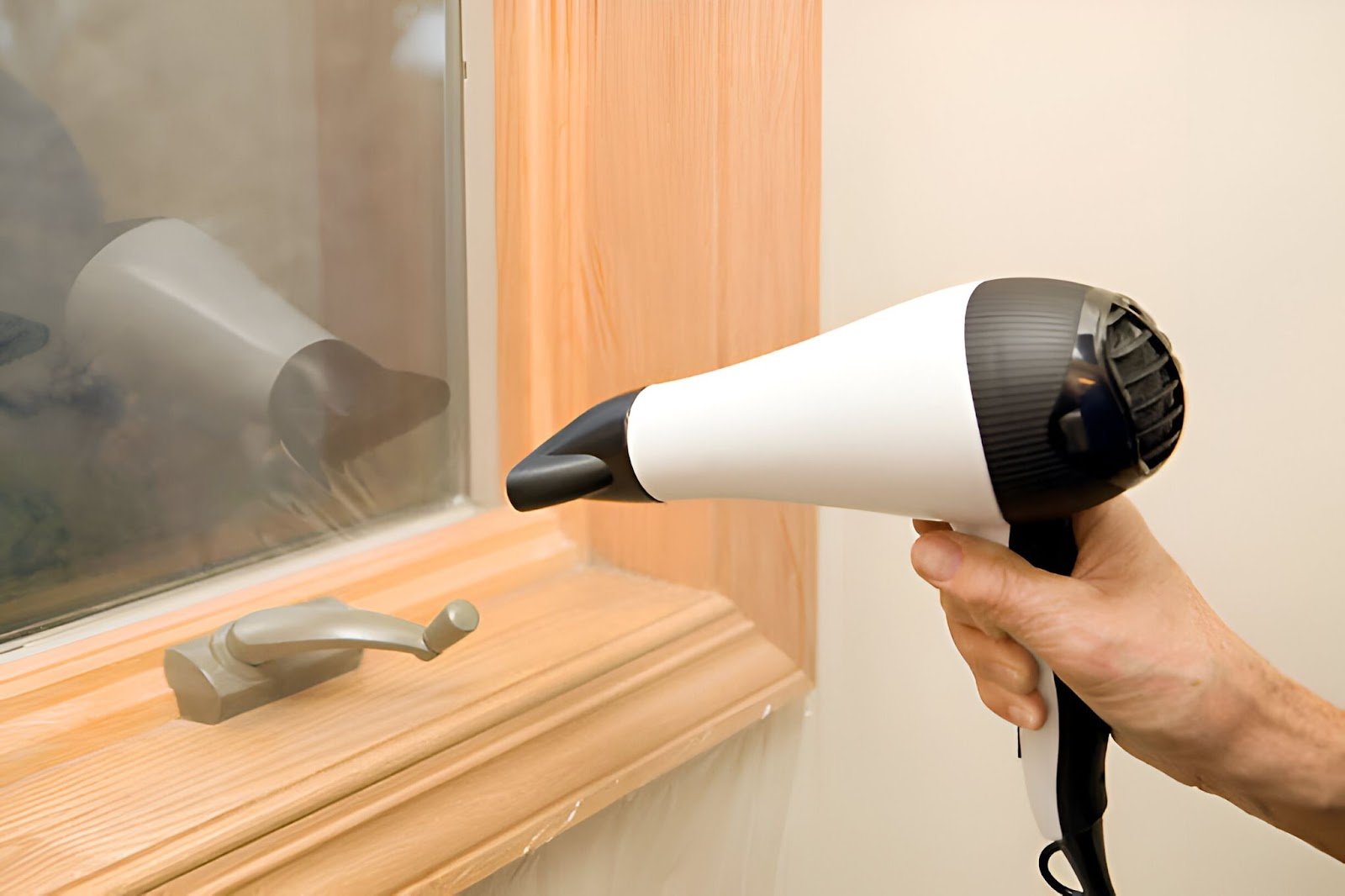
Cleaning with bleach solution
To remove mould from windows, start by cleaning the affected areas with a bleach solution. Mix one part bleach with ten parts water and use a cloth or sponge to scrub the mouldy areas thoroughly. Be sure to wear protective gear, such as gloves and safety goggles, to avoid coming into contact with the bleach and mould spores.
Use of white vinegar
White vinegar is another effective mould removal solution. Spray undiluted white vinegar onto the mouldy areas and let it sit for an hour. Afterwards, scrub the area with a brush and wipe it clean with a damp cloth. Vinegar is a natural disinfectant and can help kill mould spores without the harsh chemicals found in bleach. In addition to vinegar, you can also use detergent to wipe the affected surface clean.
Professional mould removal services
For extensive mould problems or toxic black mould, consider getting professional mould removal services. A qualified technician can safely and effectively remove mould from windows and other affected areas. Professional services can also help identify and address any underlying issues, such as leaks or poor ventilation, to prevent future mould growth.
Specific areas to check for mould

Window sill and frame
The window sill and frame are common places to find mould. These areas can trap moisture, making them ideal breeding grounds for mould spores. Regularly inspecting and cleaning the window sill and frame can help prevent mould growth and keep these areas dry.
Window tracks and crevices
Mould can also grow in window tracks and crevices, where moisture can accumulate unnoticed. Cleaning these areas regularly and ensuring they are dry can help prevent mould from taking hold. Use a brush or vacuum to remove any dirt and debris from window tracks to keep them clean and dry.
Around the window pane
Mould can form around the window pane, where condensation is likely to occur. Ensuring proper ventilation and using a dehumidifier can help prevent condensation and reduce the risk of mould growth around the window pane. Regularly wiping down the window pane to remove any moisture can also help keep mould at bay.
Ventilation solutions to prevent mould on windows
Install exhaust fans
Installing exhaust fans in areas prone to high humidity, such as the bathroom and kitchen, can help reduce moisture levels and prevent mould growth. Running exhaust fans during and after activities that produce moisture, such as cooking and showering, can help remove excess moisture from the air.
Improve air circulation
Improving air circulation in your home can also help prevent mould on windows. Open windows regularly to allow fresh air to flow through your home and reduce humidity levels. Using fans to circulate air can also help keep moisture levels down and prevent mould growth.
Use a dehumidifier
As mentioned earlier, using a dehumidifier can be an effective way to reduce indoor humidity levels and prevent mould growth. Place the dehumidifier near windows and other areas prone to high humidity to keep mould at bay. Regularly empty and clean the dehumidifier to ensure it functions effectively.
Conclusion
Mould on windows is a common but manageable problem that can be effectively addressed with proper prevention and removal techniques. To start with, improving ventilation, reducing indoor humidity, and regularly cleaning and maintaining your windows can help you prevent mould growth and protect the health of your children and pets.
For more severe mould issues or toxic black mould, consider seeking professional mould removal services to ensure a safe and thorough cleaning. Regularly inspecting your windows and addressing any issues promptly can help keep mould at bay and maintain a healthy indoor environment.
If you have had mould growing inside your home for a while now, you should reach out to us for an inspection. We will thoroughly go over issues that should be addressed, control bad odours, and remove the mould on your windows. Contact us today to get a quote.
FAQs
To prevent mould from forming around windows, it’s important to learn how to prevent excess moisture and ensure proper ventilation. Regularly open the window to improve air circulation and reduce humidity levels. Using a dehumidifier can also help dry the air and prevent mould growth. Additionally, make sure to ventilate the area properly, especially in rooms like the bathroom and kitchen where moisture is more likely to accumulate.
If you find black mould on your windows, you need protective gear such as gloves and safety goggles to avoid contact with the spores. Scrub the window using a bleach solution or white vinegar to kill the mould. It’s essential to clean all parts of the window, including the window sill and frame, to prevent the mould from returning. For severe infestations, consider replacing old wood windows with new windows to prevent further mould growth.
To remove mould from windows effectively, start by scrubbing the window with a bleach solution or white vinegar. Ensure you clean all parts of the window, including the window sill and frame, to eliminate all mould spores. Regularly cleaning and maintaining your windows can help prevent mould from returning. For persistent mould problems, consider improving ventilation and using a dehumidifier to keep the area dry.
Mould around windows is primarily caused by condensation, which occurs when warm air inside the home meets the cooler window panes. This moisture creates an ideal environment for mould to grow. Temperature differences between the indoor and outdoor environments can exacerbate this issue. Ensuring proper ventilation and reducing humidity levels can help prevent mould from forming around windows.
Windows can be dangerous if they have mould on them, especially if it is toxic black mould. Mould can cause various health issues, including respiratory problems and allergic reactions. To mitigate these risks, it’s crucial to regularly inspect and clean your windows, ventilate the area properly, and maintain humidity levels. Replacing old wood windows with new windows can also help prevent mould growth and ensure a safer indoor environment.
To prevent mould growth on wooden window frames, it’s important to regularly clean and maintain them. Use a bleach solution or white vinegar to scrub the window frames and remove any mould spores. Improving ventilation and reducing humidity levels in the home can also help prevent mould growth. Additionally, sealing any cracks or gaps in the window frames can prevent air infiltration and reduce moisture accumulation.
The tell-tale signs of mould around windows include visible black or green spots on the window sill, frame, or glass. You may also notice a musty odor or increased condensation on the windows. Regularly inspecting your windows for these signs and taking prompt action to clean and ventilate the area can help prevent mould from becoming a serious problem.