Do you know that the regular cleaning vinegar sitting idle in your cupboard can actually be put to good use by helping you get rid of mould?
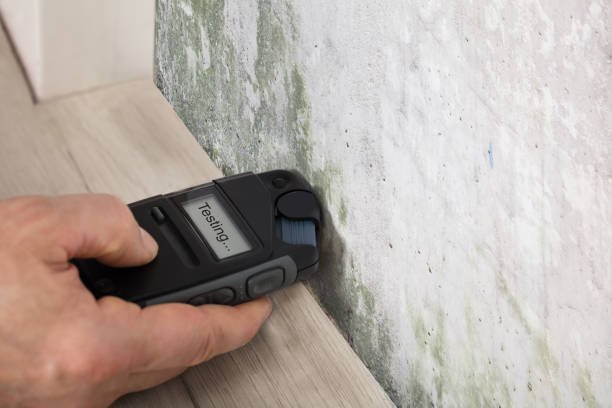
The presence of mould in your home is quite disturbing because it can cause health problems like allergies to those with asthma, a weakened immune system, or those who are allergic to mould spores.
Although mould, which is a type of fungus, is not entirely bad. In nature, these guys are used to break down organic matter like plant debris and leaves, which are beneficial to the ecosystem.
Among the numerous methods to kill mould, using vinegar is hailed as one of the most effective and non-toxic solutions.
In this blog, we will have a deep look at how vinegar can be used to combat mould, prevent its growth, and maintain a clean and healthy home environment.
The science behind vinegar killing mould
Household vinegar, specifically white distilled vinegar, contains about 4 to 7 percent acetic acid which is known for its antifungal properties. This acid penetrates the mould structure, breaking it down and preventing future growth.
In a study carried out in 2015, researchers discovered that vinegar containing 4 percent or 4.2 percent of vinegar acetic acid was effective at treating Penicillium chrysogenum, which is a common household mould.
Using vinegar to kill mould is a natural and safe method that avoids the harsh chemicals found in many commercial cleaning products.
So to answer the question, “Does vinegar kill mould?”.
Yes, vinegar is effective due to its acetic acid content, which can penetrate mould spores and kill them at the root.
How to apply vinegar to kill mould
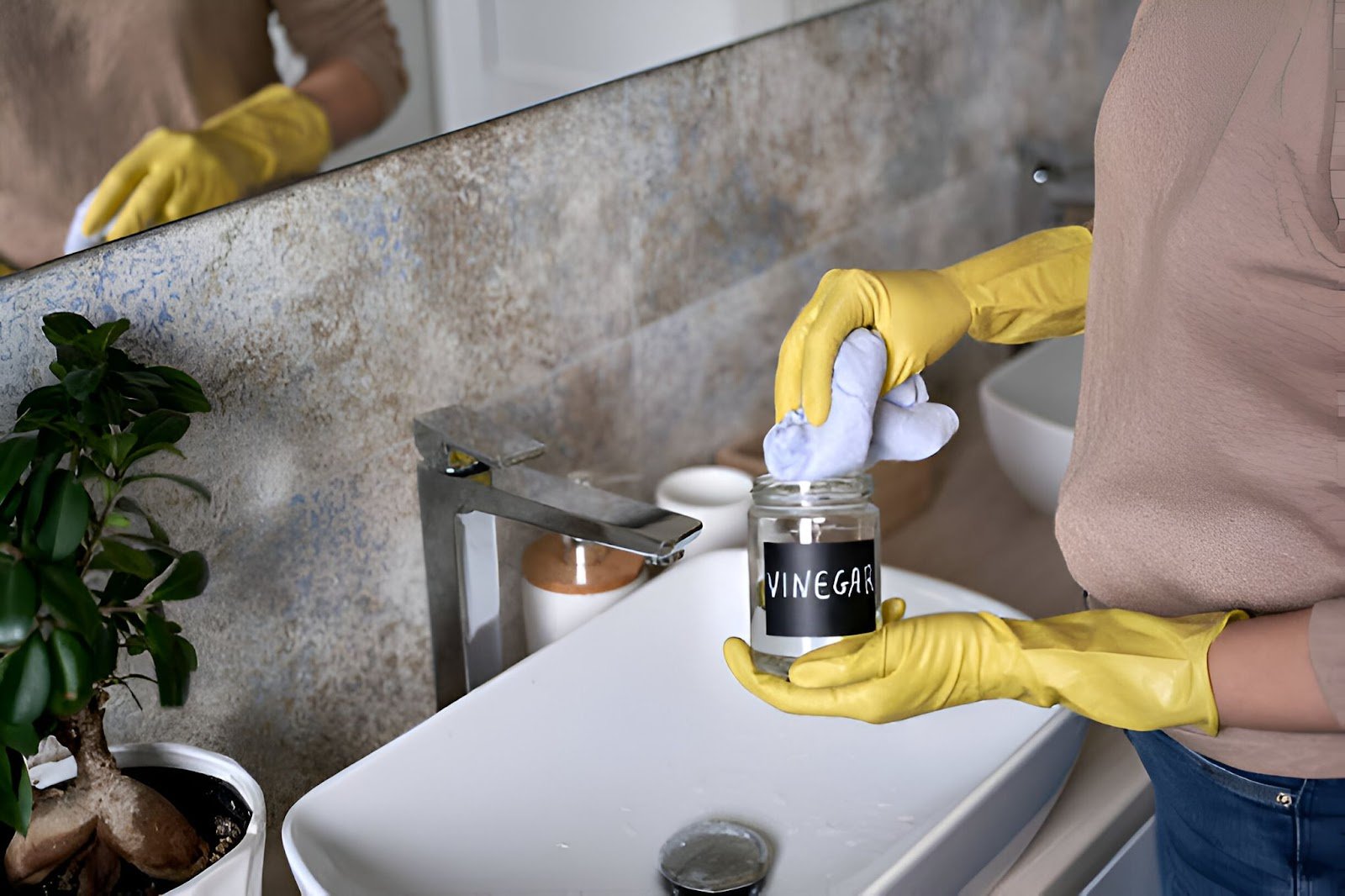
Aside from other house cleaning tools like baking soda or bleach, using just vinegar and water can also be as effective. Let’s have a look at how you can apply vinegar to kill mould.
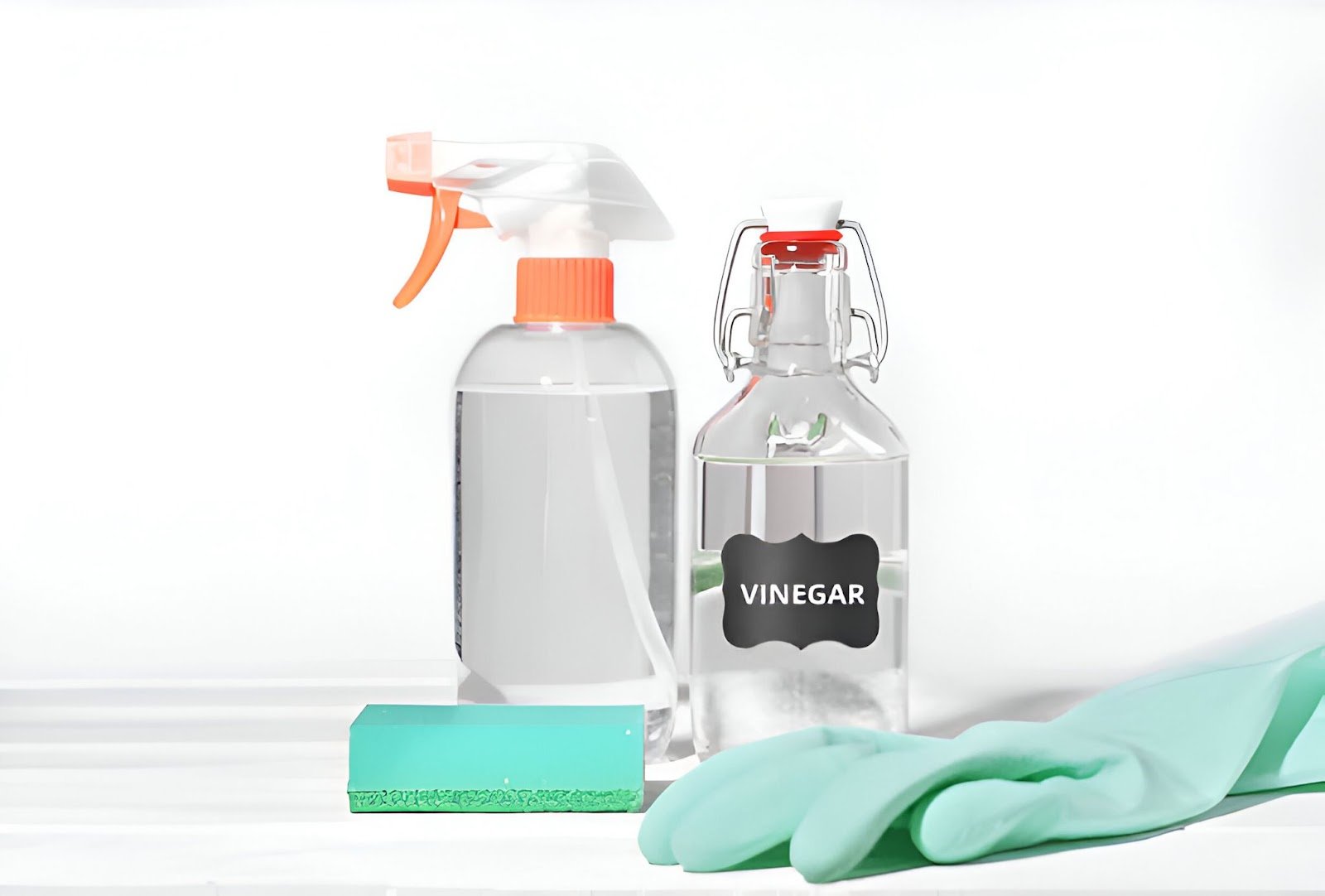
- Prepare the solution: Pour undiluted white vinegar into a spray bottle. Using undiluted vinegar ensures that the acetic acid concentration is strong enough to kill the mould.
- Spray the affected area: Spray the vinegar solution directly onto the mouldy surface, ensuring it is thoroughly saturated.
- Let it sit: Allow the vinegar to sit for at least an hour. This gives the acetic acid time to penetrate and kill the mould spores.
- Scrub and rinse: After the vinegar has had time to work, scrub any remaining mould with a brush. Rinse with water and let it air dry.
By following these steps, you can effectively kill mould and prevent it from returning.
How to prevent mould growth with vinegar
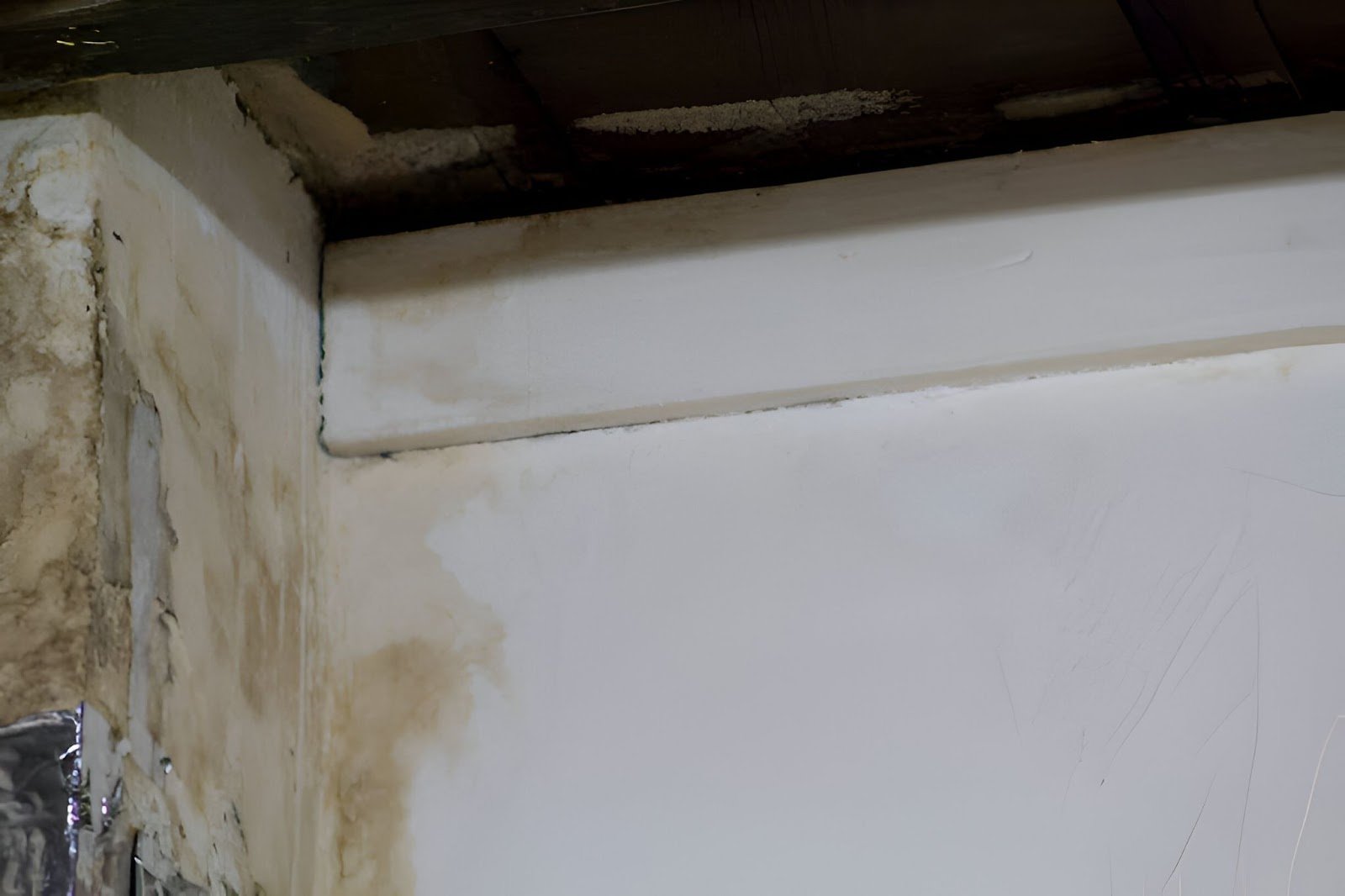
Vinegar can be an effective option if you want to prevent the growth of mould. This is a wise step because preventing mould growth is key to maintaining a healthy living environment, and thankfully, at no cost, vinegar can be used as a preventative measure to keep mould at bay.
Using vinegar to prevent mould
Vinegar is a natural deterrent to mould growth due to its acidic nature. Regularly cleaning areas prone to mould with vinegar can help prevent mould spores from settling and growing.
- Routine cleaning: Incorporate vinegar into your regular cleaning routine. Wipe down surfaces with a vinegar solution to keep them free from mould spores.
- Humidity control: Vinegar can help manage humidity levels in areas prone to mould. Use a dehumidifier and clean surfaces with vinegar to keep humidity in check.
- Preventative spraying: Spray vinegar in areas that are likely to develop mould, such as bathrooms and kitchens, to create an unfriendly environment for mould spores.
These easy steps disrupt the conditions that mould needs to thrive.
Key areas to target
Focus on areas like the bathroom, kitchen, and basement where mould growth is more likely due to higher humidity levels. Regular cleaning with vinegar in these spots can significantly reduce the risk of mould development.
How to use vinegar to clean mould
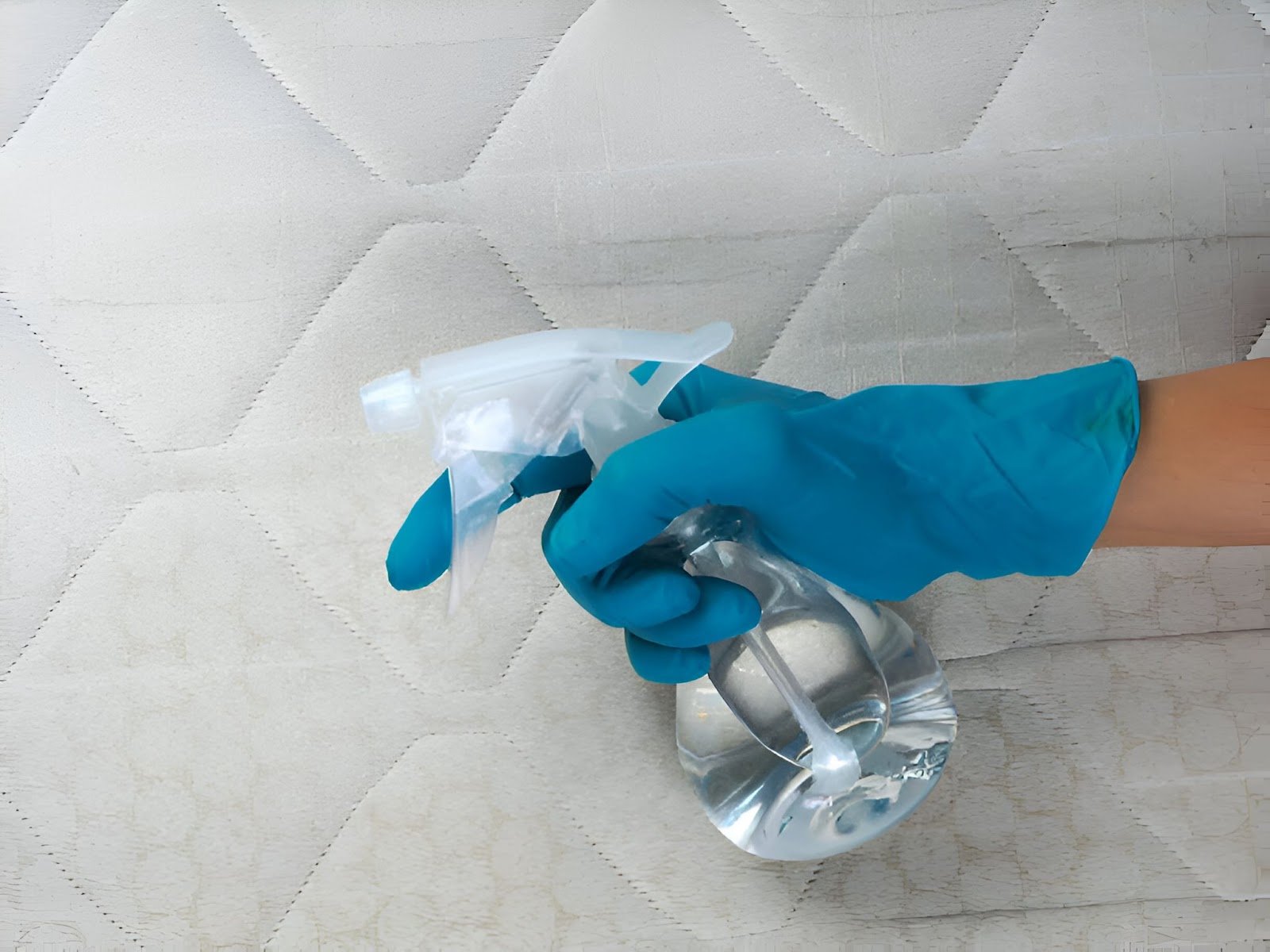
Cleaning mould with vinegar is straightforward and effective. Here’s a step-by-step guide to ensure thorough cleaning.
Step-by-step mould cleaning with vinegar
- Identify the affected areas: Locate all the areas where mould is growing, including hidden spots like behind furniture or under sinks.
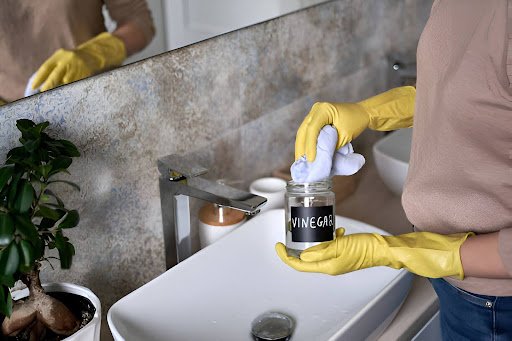
- Ventilation and safety: Ensure the area is well-ventilated by opening windows and doors. Wear protective gear such as gloves and a mask to avoid inhaling mould spores.
- Apply vinegar: Spray undiluted white vinegar onto the mouldy areas. For stubborn mold, you may need to let the vinegar sit for a longer period or reapply as necessary.
- Scrubbing and rinsing: After the vinegar has worked its magic, scrub the area with a brush to remove the mould. Rinse with water and allow the surface to air dry completely.
Using vinegar not only kills mould but also helps remove mould stains, leaving surfaces clean and safe.
When not to use vinegar
Despite its high significance, there are places where vinegar should not be applied. This is due to the acidic nature of vinegar and the damage it can cause to these surfaces. They include:
- Stone countertops: The protective sealant that keeps spills from seeping into the stone, preventing permanant stains, is worn down by the acid in vinegar.
- Wooden floors: The protective finish on wood floors can be damaged by vinegar, thus, producers of wooden flooring frequently include cautions against cleaning them with vinegar.
- Stainless steel: Stainless steel resists corrosion. Vinegar has the ability to corrode metals, so it’s not advised to clean stainless steel or aluminium with vinegar.
- Electronic screens: Vinegar’s acidic nature may damage the screen’s protective layers or anti-glare coating.
- Carpets: Many natural carpets and rugs are not compatible with vinegar. But if you need to clean them, apply vinegar to a spot and see what happens next (don’t say we didn’t warn you).
Removing mould and preventing regrowth
Removing mould is only half the battle; preventing its return is equally important. Vinegar can help with both aspects, making it a versatile tool in mould management. While vinegar is effective in killing small mould infestations, it will not be as effective for larger infestations. It might be best to call in professional mould removal experts.
Distilled vinegar or cleaning vinegar works best on small, affected areas that you can just spray up and clean. But if your indoor air is intoxicated and your allergies keep returning due to a large amount of mould growing in your home, then mould remediation is needed.
With our specially sourced and tested non-toxic product, we provide an effective method that will get rid of the airborne spores and any type of mould we find on your property after our thorough mould inspection. In addition to our effective solution, let’s have a look at some of our mould prevention tips.
Long-term prevention strategies
- Consistent cleaning: Regular cleaning with vinegar can prevent mould spores from settling and growing.
- Moisture control: Keep humidity levels low by using dehumidifiers and ensuring good ventilation.
- Proactive measures: Regularly inspect areas prone to mould and clean them with vinegar to prevent mould growth.
Vinegar vs. Bleach for mould removal
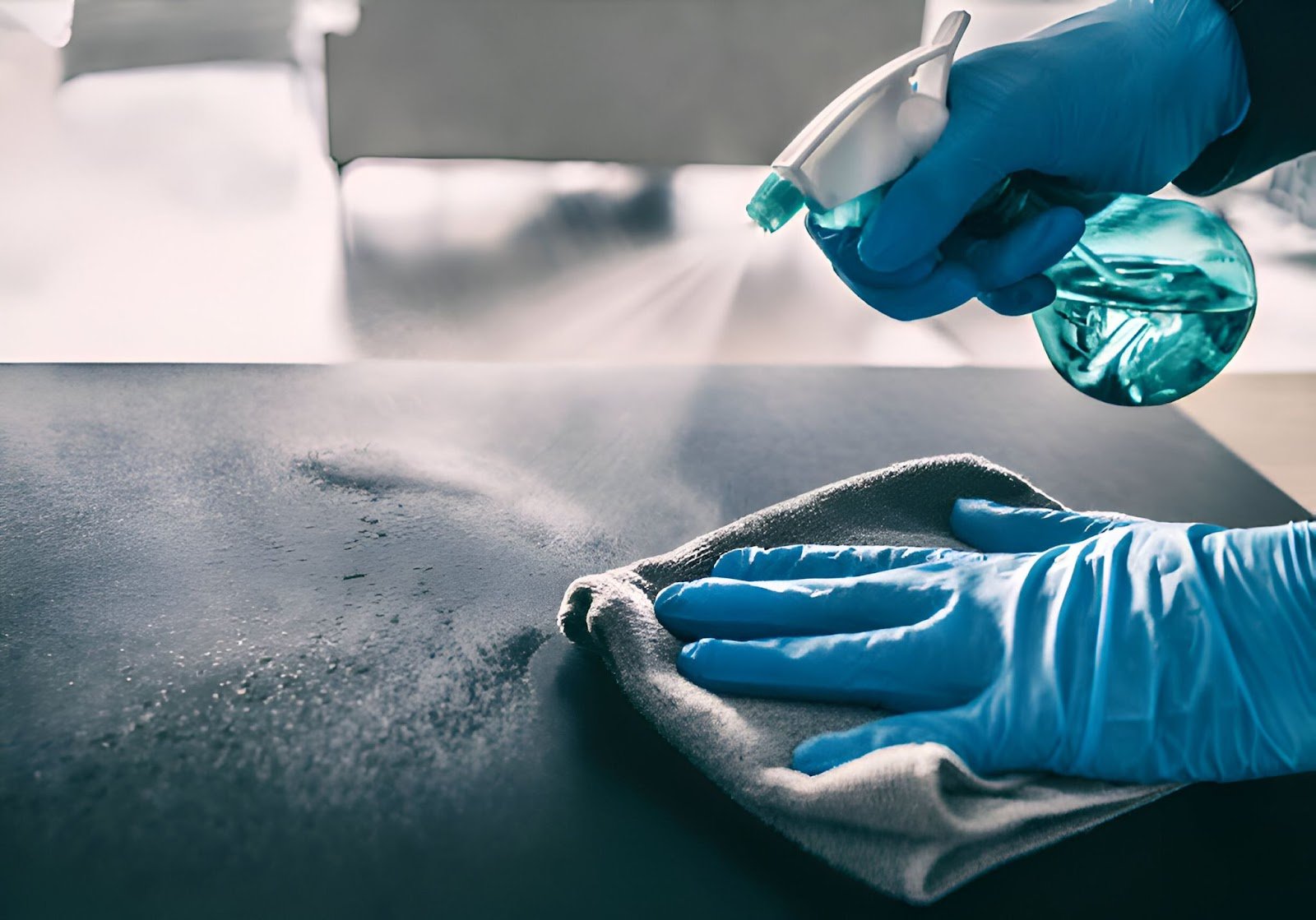
While bleach is commonly used to kill mould, vinegar is often preferred due to its non-toxic nature and effectiveness. Never mix vinegar and bleach together because the mixture can generate an intoxicating cloride fume that is harmful to your health.
Why choose vinegar over bleach?
- Non-toxic: Vinegar is a natural and non-toxic alternative to bleach, making it safer for use in homes, especially with children and pets.
- Effective on porous surfaces: Unlike bleach, which can only kill mould on non-porous surfaces, vinegar can penetrate porous materials like wood and drywall, killing mould at its roots.
- Prevents regrowth: Vinegar not only kills mould but also prevents future growth, whereas bleach may not provide long-term protection.
When to use bleach
While vinegar is excellent for most mould problems, there are instances where bleach might be necessary, such as in cases of severe black mould infestations. Remember that mixing vinegar with bleach can produce harmful chlorine gas, so do not try this.
Takeaway
Using vinegar to kill mould is a highly effective, non-toxic, and affordable solution. Whether you’re dealing with a minor mould issue or looking to prevent future growth, vinegar can be your go-to remedy. By understanding how to use vinegar properly, incorporating it into your cleaning routine, and taking proactive steps to manage humidity, you can maintain a mould-free home. Remember, for extensive mould problems, it’s best to call in professional mould cleaning experts to ensure thorough and safe remediation. Keep your home clean, healthy, and mould-free with the power of vinegar. Contact us for a free quote.
FAQs
Cleaning mould with vinegar is highly effective due to the acetic acid in vinegar, which can kill mould and prevent its regrowth. It’s especially useful for surface mould on porous and non-porous surfaces.
Yes, white cleaning vinegar is an excellent choice for removing mould in your home. It’s a natural, non-toxic solution that penetrates and kills mould spores. For professional mould removal, expert technicians will inspect and handle larger infestations.
White vinegar and white distilled vinegar are essentially the same in terms of their mould-killing properties. Both contain acetic acid, which is effective against mould. Do not use wine vinegar for mould removal, as it lacks the necessary acidity.
owth of mould.
To prevent mould in your home, regularly clean areas prone to moisture with white distilled vinegar. This helps to maintain an environment where mould may not thrive. For persistent mould problems, it’s best to call in the experts.
When you discover mould in your home, first clean the area with white distilled vinegar. Ensure you leave the area well-ventilated. If the mould infestation is larger than 10 square feet, it’s advisable to seek professional mould removal services.
To handle mould stains, spray the affected area with white distilled vinegar and let it sit for an hour before scrubbing. For stubborn stains, you may need to clean the area several times. If stains persist, consider calling in cleaning experts.e to mould growth.
Yes, mould can be harmful to health, especially for individuals with respiratory conditions or allergies. It is important to address mould infestations promptly to prevent health issues.
Both vinegar and bleach can be used to get rid of mould, but vinegar is safe and non-toxic, making it preferable for regular use. Never mix vinegar with bleach or hydrogen peroxide, as this can produce harmful fumes. For severe mould issues, bleach or hydrogen peroxide might be necessary, but it’s best to call in the experts for such cases.
visable to hire a professional for mould removal if the infestation is extensive, recurring despite DIY efforts, or if you are unsure how to safely and effectively remove the mould.