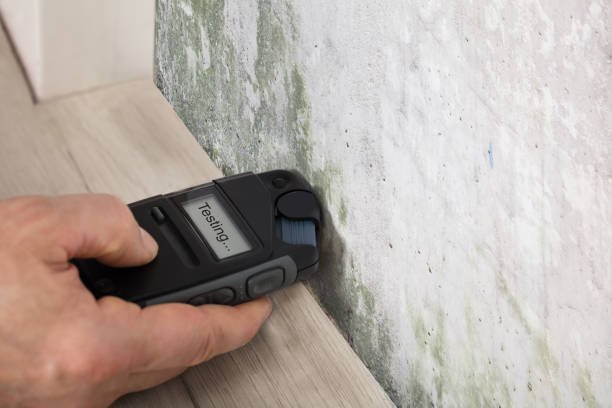
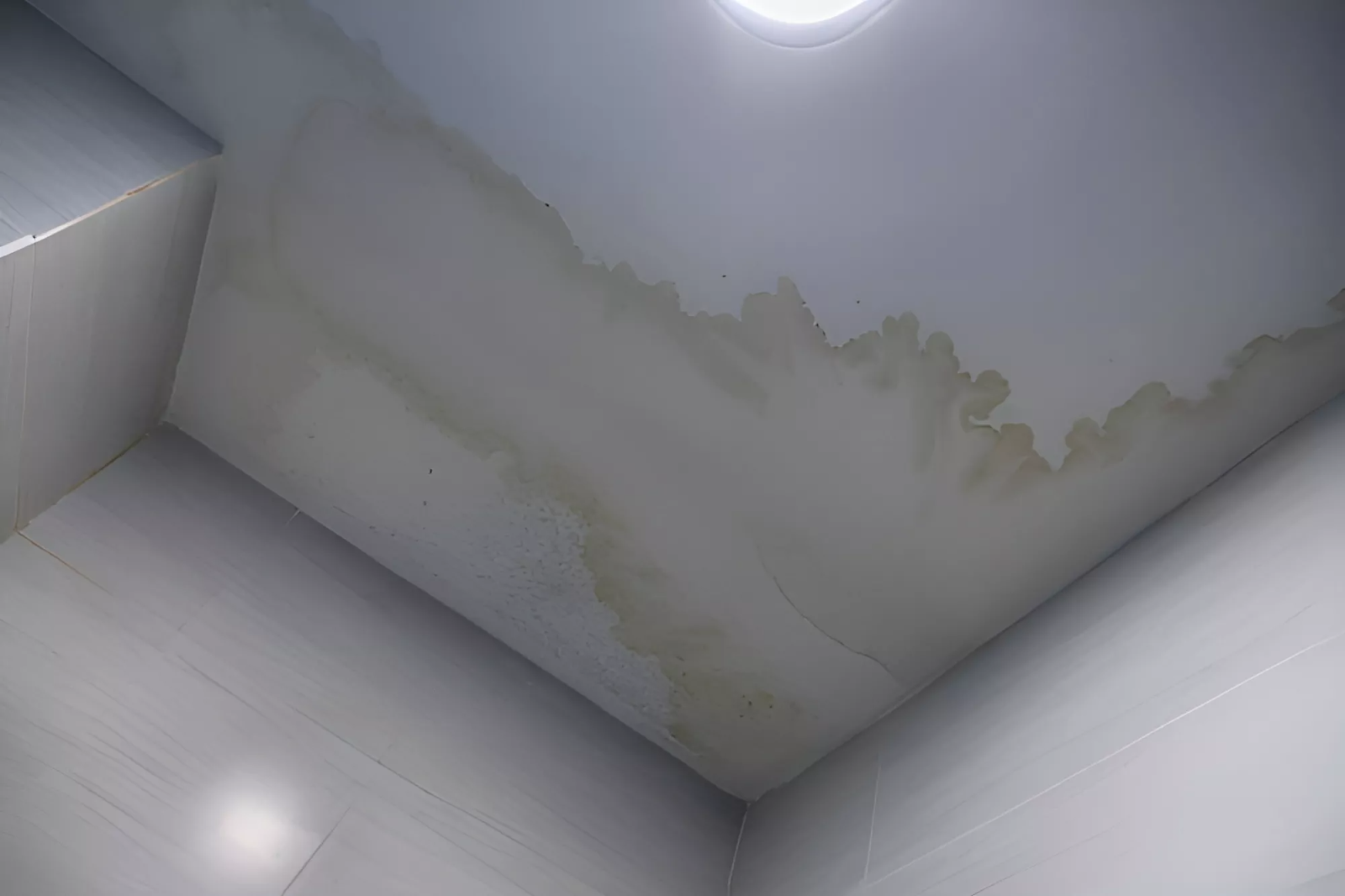
When it comes to maintaining a clean and healthy home, your bathroom is one of the most critical spaces to manage.
A primary concern in many bathrooms is mould growth, particularly on the bathroom ceiling.
Mould in itself causes ugly stains and also causes potential health challenges, such as respiratory issues.
In this guide, we’ll let you know how to prevent mould from developing on your bathroom ceiling and how to safely remove it if it’s already present.
Why mould grows on bathroom ceilings
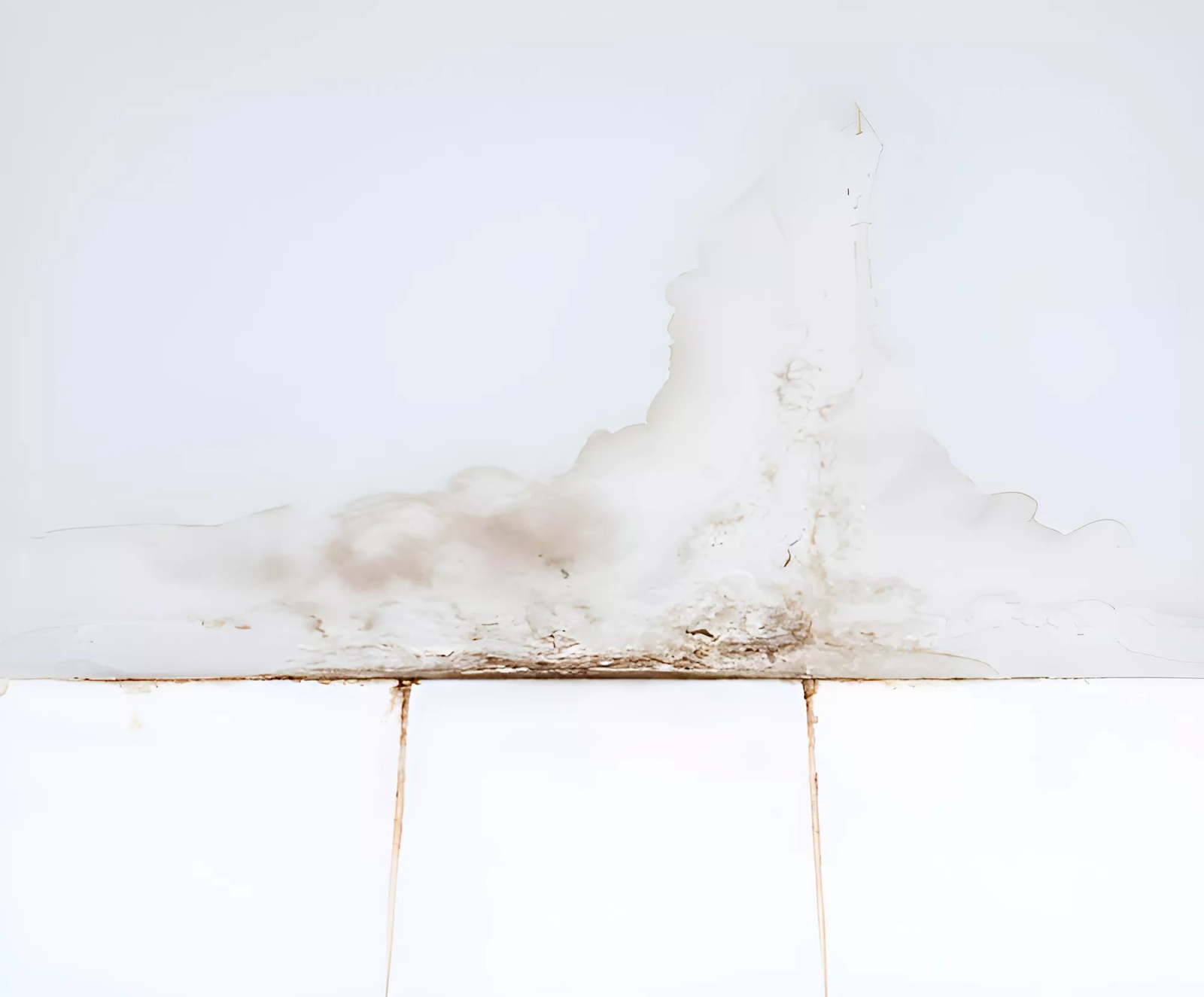
Mould is a type of fungus that loves moist environments, which makes bathrooms, especially bathroom ceilings, the perfect breeding ground. The constant exposure to moisture from showers, baths, and sinks can lead to condensation, which seeps into the ceiling.
If your bathroom ceiling lacks proper ventilation, the trapped moisture can fuel the rapid growth of mould spores. Hence, inadequate ventilation, humid conditions, and lingering dampness are ideal conditions for mould growth.
Moisture and condensation
Bathrooms are often moist and damp environments, especially when you take long, hot showers. Moisture accumulates on bathroom surfaces, including the ceiling, creating an environment for mould to grow.
Proper ventilation in your bathroom is essential to reduce moisture buildup, and installing a ventilation fan or opening windows and doors can significantly help prevent mould.
When condensation consistently forms on the ceiling, mould spores find the perfect surface to grow on, especially if there’s inadequate airflow to dry it out.
How poor ventilation promotes mould growth
Without sufficient ventilation, moisture from showers and baths can’t circulate out of the bathroom, causing water droplets to linger on the ceiling and walls. Over time, this moisture causes mould growth, discolouration, and even potential structural damage to drywall or plaster. To avoid these problems, improving ventilation through exhaust fans or extractor fans is recommended. This can reduce the humid atmosphere that mould spores require to survive.
How to prevent mould on your bathroom ceiling
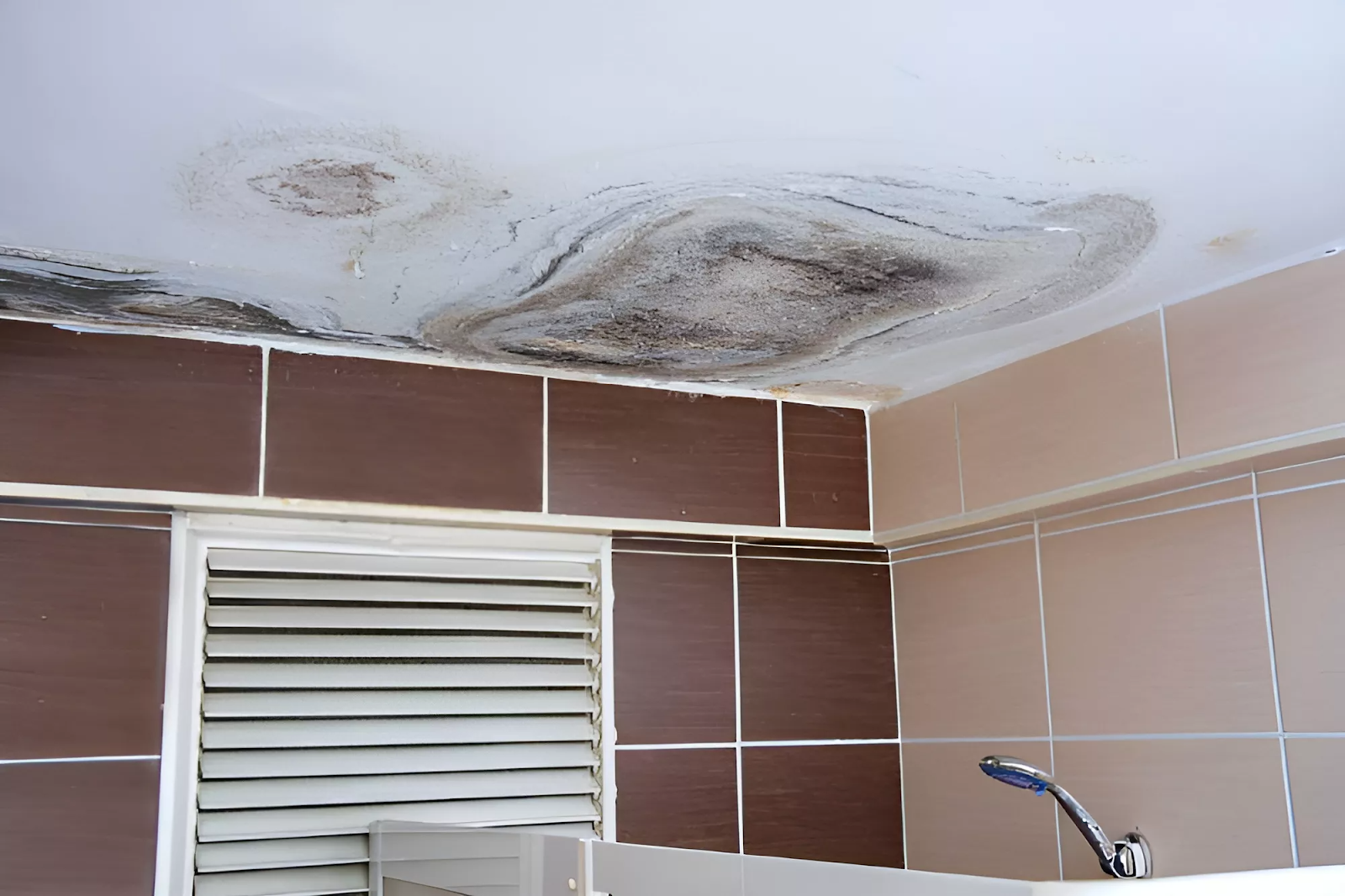
Prevention is always better than dealing with a full-blown mould infestation. These few simple steps can significantly reduce the chances of mould growing on your bathroom ceiling.
Improve ventilation
One of the most effective ways to prevent mould is by improving ventilation in your bathroom. Exhaust fans or ventilation fans are essential tools that help to absorb steam from hot showers and circulate the air. Regularly using these fans during and after showers keeps your bathroom drier and prevents moisture from accumulating on the bathroom ceiling. Opening windows and doors after a hot shower is another easy way to reduce moisture and improve ventilation.
Waterproofing your ceiling
Another key step in mould prevention is ensuring your ceiling is properly waterproofed. Installing mould-resistant ceiling cladding or using mould-resistant paints can provide an extra layer of protection against moisture and mould growth. These materials help keep your bathroom ceiling safe from constant exposure to moisture, significantly reducing the likelihood of mould spores settling and multiplying.
Regular cleaning and maintenance
To further help prevent mould, regularly cleaning your bathroom, especially areas like the ceiling and tiles, is essential. Use cleaning solutions like vinegar or a part-bleach solution to wipe down surfaces that may be prone to moisture buildup. Not only will this keep your bathroom looking fresh, but it will also prevent the accumulation of mildew and mould spores on your bathroom ceiling. By being proactive with regular maintenance, you can stop mould growth before it becomes a major issue.
How to safely remove mould from your bathroom ceiling
If mould has already started growing on your bathroom ceiling, it’s important that you address it immediately to prevent further damage. Mould removal is a process that requires the right tools and techniques to ensure it’s thoroughly eradicated.
DIY mould removal with simple tools
For smaller mould infestations, a DIY approach can work effectively. Start by wearing protective gear like gloves, eye protection, and a face mask to avoid direct contact with mould spores. Mix a solution of one part bleach to three parts water in a spray bottle and use it to spray the affected areas of your bathroom ceiling. After letting the solution sit for a few minutes, scrub the mouldy surface with a sponge or scrub brush to safely remove the mould. Be sure to wipe down the surface afterwards with warm water and ensure the ceiling dries completely.
Using vinegar for a natural solution
For those who prefer a more natural cleaner, vinegar can be an effective mould remover. Pour vinegar into a spray bottle, spray it onto the mould spots, and let it sit for at least an hour. Then, scrub the ceiling gently and wipe it clean with a damp cloth. Vinegar works well in removing mild cases of mould without introducing harsh chemicals into your bathroom environment.
Hiring a professional can be particularly important if mould is present in large quantities or poses a health risk. People with asthma, allergies, or other respiratory conditions should avoid direct exposure to mould and instead seek expert help.
When to Call a Professional
In some cases, the mould infestation may be too severe for DIY methods, especially if it has penetrated deep into the ceiling drywall or plaster. If your bathroom ceiling shows signs of widespread mould growth or if mould spores return after cleaning, it’s time to call a professional mould removal service. Professionals can not only rid your bathroom of mould but also identify underlying moisture problems that may be contributing to mouldy conditions. In severe cases, they may need to remove and replace sections of the ceiling to completely eradicate the mould.
Mould-resistant installations for Long-term prevention
To ensure your bathroom stays mould-free in the long run, consider investing in mould-resistant materials during renovations or upgrades.
Installing mould-resistant ceiling materials
Using mould-resistant drywall or ceiling cladding is a great way to protect your bathroom ceiling from future mould growth. These materials are designed to withstand high humidity levels and provide a barrier against moisture. Additionally, mould-resistant paint can be applied to your bathroom ceiling to create a surface that inhibits mould spores from taking hold, making it easier to clean and maintain.
Mould-resistant tiles for a healthier bathroom
Tiles, especially around the shower and ceiling areas, can also benefit from mould-resistant grout. Grout is highly porous, meaning it easily traps moisture, which is why it often becomes mouldy over time. By using mould-resistant grout, you can prevent mould growth and protect your bathroom ceiling from potential stains and deterioration.
Conclusion
Mould growth on bathroom ceilings is a common issue that many homeowners face. The combination of humidity, moisture, and poor ventilation in bathrooms creates the perfect environment for mould to thrive. However, by improving ventilation, waterproofing your ceiling, and regularly cleaning your bathroom, you can significantly reduce the chances of mould developing. If mould does appear, addressing it immediately with safe DIY techniques or professional help is required to prevent further damage.
Taking effective steps like installing mould-resistant materials and ensuring proper ventilation will not only help prevent mould from growing but will also keep your bathroom looking clean and healthy for years to come. By following these tips, you can effectively prevent and remove mould from your bathroom ceiling and maintain a safe, comfortable space in your home.If eventually the mould doesn’t go despite all these steps, contact us today. Let’s help!
FAQs
Professional mould removal services are essential when mould in your bathroom has become too severe for DIY methods. They’ll thoroughly inspect your wall and ceiling for signs of water damage and mould growth. Professionals have the tools and expertise to safely rid your bathroom of mould using advanced techniques that prevent future growth. They also ensure that underlying issues, such as poor ventilation or plumbing leaks, are addressed to stop mould from returning.
Yes, mould can severely damage drywall, as it is a porous material that easily absorbs moisture. When mould in your bathroom penetrates the drywall, it can cause structural damage and lead to respiratory problems if mould spores are inhaled. Professional mould removal is often necessary to remove and replace sections of drywall affected by severe mould. Prevention strategies like waterproofing and improving ventilation can help prevent mould from growing on your bathroom drywall.
To remove mould from bathroom walls, you can use a bleach solution made from one part bleach to three parts water. Wear a face mask and gloves to protect yourself from inhaling mould spores, and scrub the affected areas with a sponge or dish soap. If the mould persists or spreads, it may be necessary to call professional mould removal services. They’ll use more advanced methods to get rid of the mould and ensure that your bathroom is safe and clean.
Yes, installing PVC ceiling cladding is an effective way to prevent mould growth on your bathroom ceiling. PVC is a waterproof material that resists moisture, reducing the likelihood of mould developing. It’s a good option for long-term removal and prevention strategies in areas prone to high humidity. Additionally, regular maintenance and improving bathroom ventilation can further reduce mould in your bathroom.
Mould in your bathroom can lead to respiratory problems if mould spores are inhaled, causing symptoms like sneezing, coughing, or even more severe issues such as asthma. To prevent this, it’s essential to use prevention strategies like improving ventilation and removing mould as soon as it appears. When cleaning mould, always wear a face mask to avoid inhaling spores and causing respiratory irritation.
For mild cases of mould in your bathroom, you can use simple household cleaning solutions like bleach, detergent, or dish soap. A bleach solution (one part bleach, three parts water) is particularly effective for killing mould on non-porous surfaces. However, if the mould has penetrated deep into your wall and ceiling or caused water damage, professional mould removal services are recommended to ensure the problem is properly addressed.
Yes, prolonged mould growth can cause water damage to your wall and ceiling, leading to structural issues and costly repairs. Mould loves moist environments, and if left unchecked, it can weaken the materials in your bathroom, particularly drywall. To prevent water damage, it’s important to regularly clean and maintain your bathroom, improve ventilation, and promptly remove mould as soon as it appears.