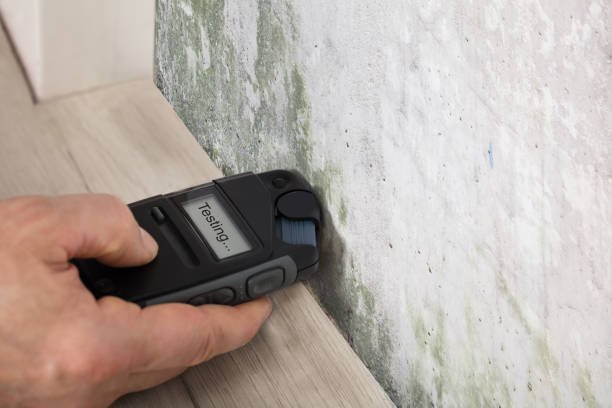
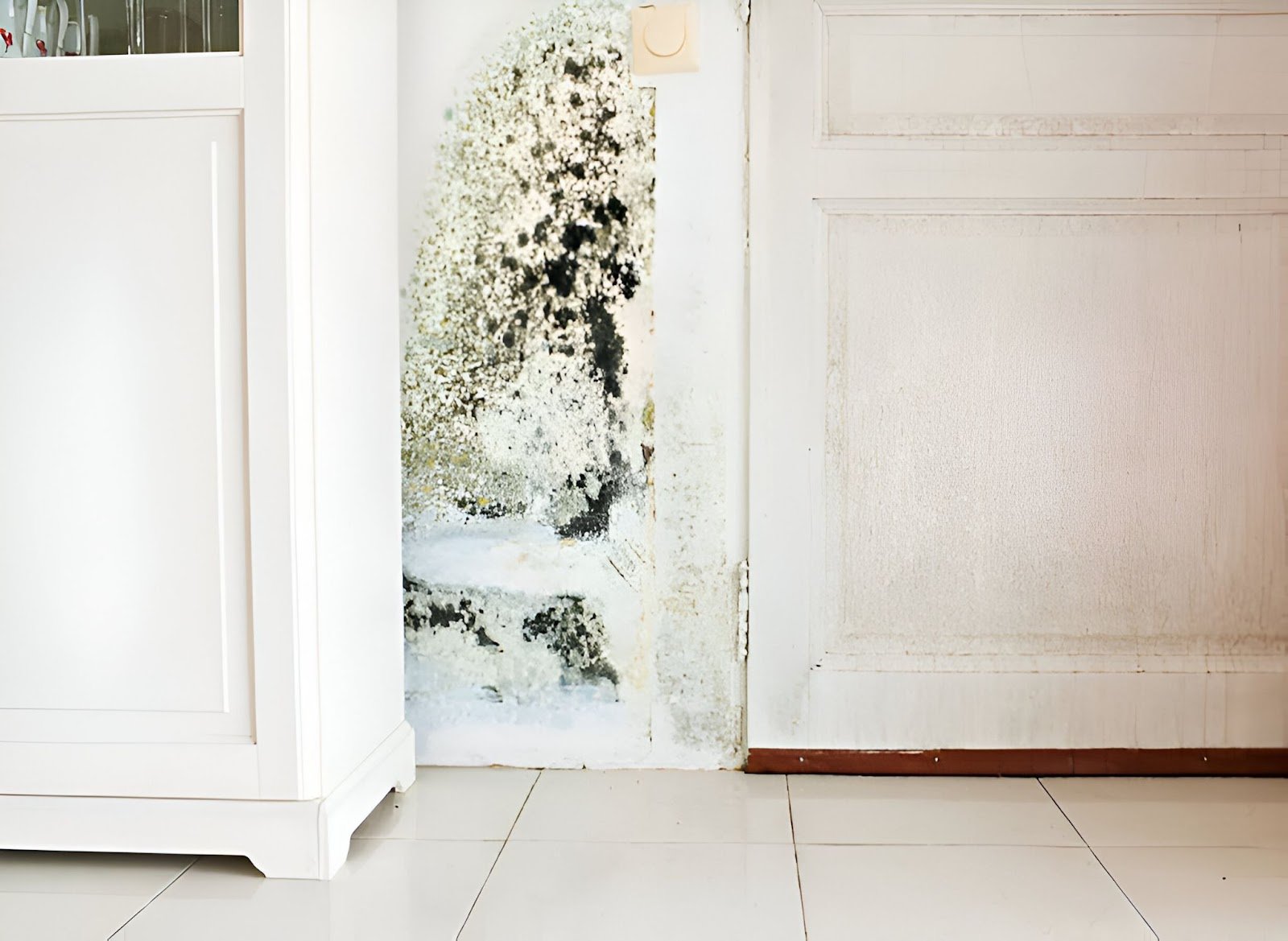
To put it straight for you, mould growing on the ceiling of your home is very dangerous.
Mould on walls and ceilings, particularly black mould, is a dangerous issue that can significantly affect your health and the overall condition of your home.
There are more than 100,000 different types of mould classified as fungus, and they all cause problems in your home, especially black mould. Due to high levels of humidity and the amount of moisture found in places like the kitchen, the bathroom ceiling, or the bedroom ceiling, mould tends to be a common problem.
In this article, we will bring your awareness to the dangers associated with having black mould on ceilings by helping you understand the causes of mould, the risks associated with black mould, and effective strategies for removing mould from your ceilings and preventing future growth.
The causes of mould on ceilings
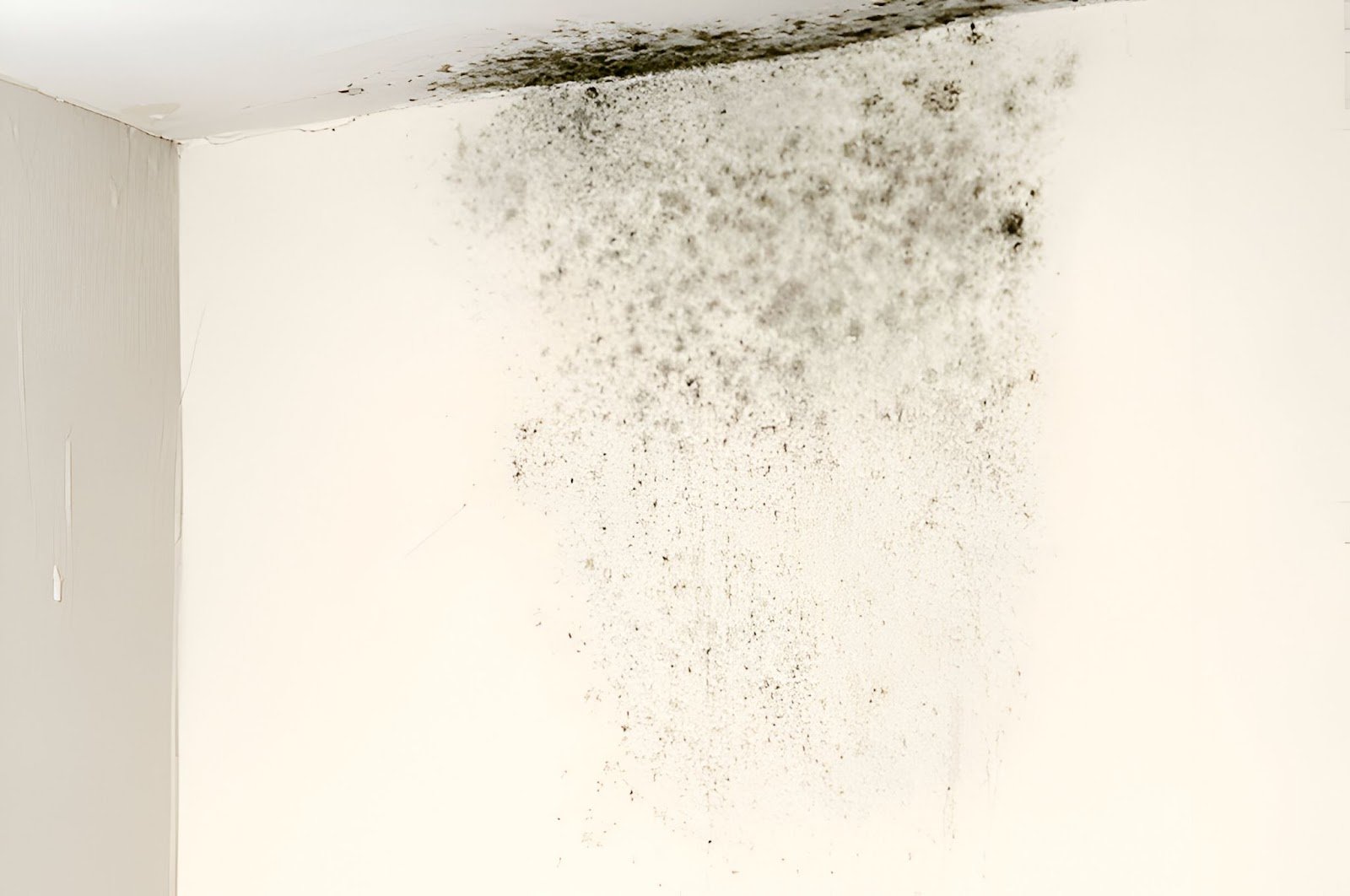
Mould growth on ceilings is often caused by several factors, all of which relate to the levels of moisture in your home. Condensation, high humidity, and leaks are common causes of mould on ceilings, creating a perfect environment for mould to grow.
Condensation and humidity
Condensation is the most common cause of mould growth on ceilings. When warm, humid air comes into contact with a cold surface, such as a ceiling, condensation forms, creating the ideal environment for mould to develop. This issue is particularly prevalent in rooms with poor ventilation, like bathrooms and kitchens, where the humidity levels are often high. Condensation is the most common reason for mould in these areas because the ceiling is colder than the surrounding air, leading to moisture accumulation.
Leaks and water damage
Water leaks are another significant contributor to mould growth on ceilings. This factor usually arises as a result of a leaky roof, plumbing issues, or even water seeping through walls. Any source of moisture can lead to mould if not addressed promptly. A leak that goes unnoticed or unrepaired creates high levels of moisture, which is the perfect environment for mould to grow. Mould spores are naturally present in the air, and when they land on a damp surface, they can quickly multiply, leading to visible mould on ceilings.
Poor ventilation
Rooms with poor ventilation are highly susceptible to mould problems. Without adequate airflow, moisture from showers, cooking, or even breathing can accumulate, causing high humidity levels and increasing the risk of mould growth. Ensuring that your home has sufficient ventilation, particularly in areas prone to moisture, is the best step in preventing mould issues from developing.
Why black mould is particularly dangerous
Now for the main deal. Not all mould is created equal, and black mould (Stachybotrys chartarum, Aspergillus niger) is one of the most dangerous types. This mould can have serious health implications, especially for individuals with respiratory issues, allergies, or weakened immune systems. Exposure to mould, like black mould, can lead to symptoms such as coughing, sneezing, skin irritation like rashes, itching, boils, and even more severe respiratory problems. And if these mould spores have been inhaled for a long time, they can cause neurological symptoms like seizures.
Health risks of black mould
The health risks of black mould are well documented. This type of mould releases spores into the air, which, when inhaled, can cause a variety of health issues. Mould spores are microscopic and can easily enter your respiratory system, leading to conditions such as asthma, bronchitis, and other respiratory problems. In severe cases, prolonged exposure to black mould can even result in chronic respiratory issues, seizures, or infections.
Why black mould thrives on ceilings
Black mould on ceilings is a common ordeal because, in environments where moisture is prevalent, the ceilings are often the first places to show signs of mould growth due to condensation and leaks. Once the mould starts growing on your ceiling, it can spread quickly, covering large areas and becoming increasingly difficult to remove. The mould on your ceiling might also spread to walls and other parts of your home, exacerbating the problem and increasing the health risks.
Effective methods for removing mould from ceilings
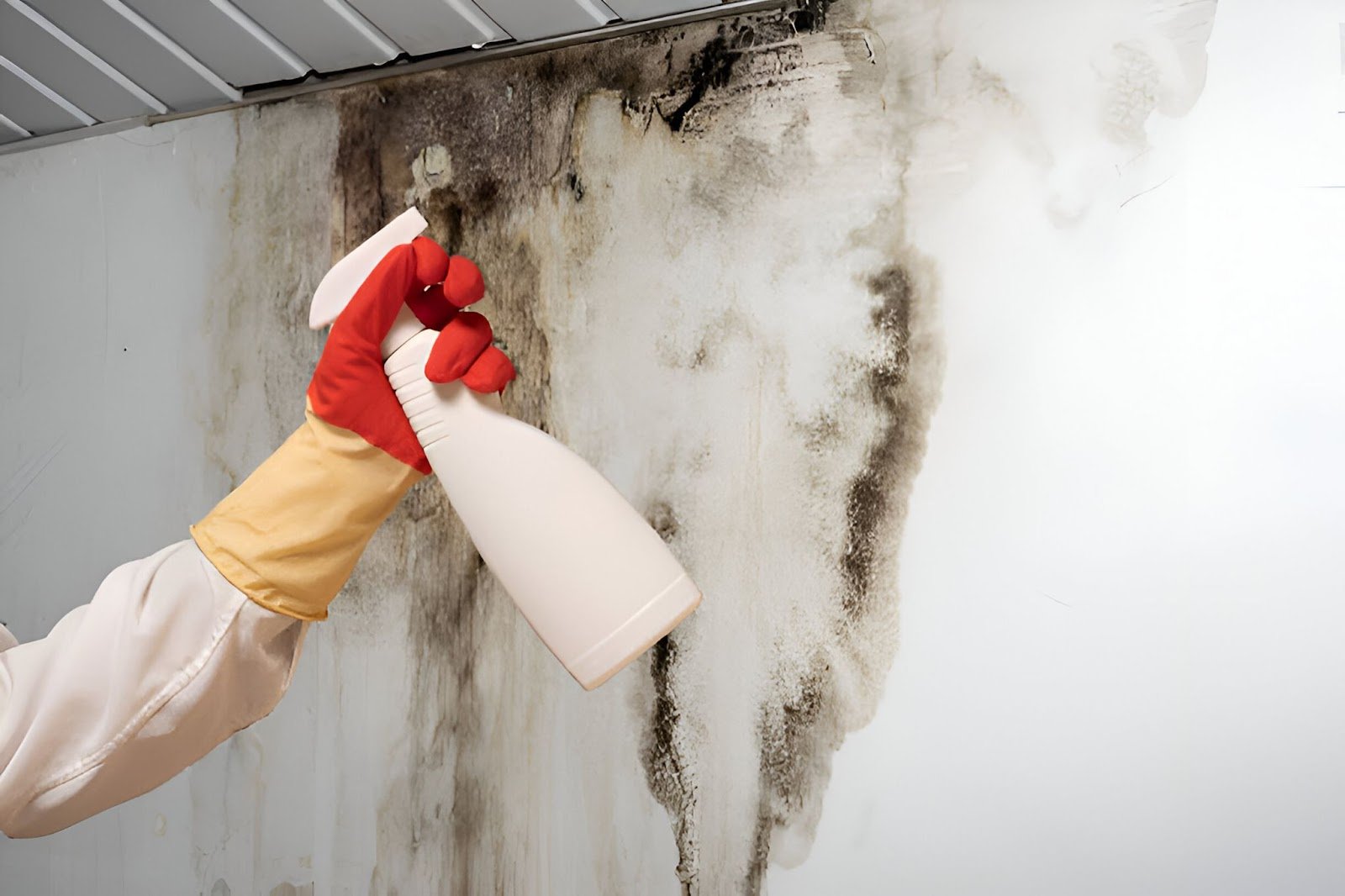
Dealing with mould on ceilings requires a thorough approach to ensure it is removed completely and doesn’t return. There are several methods you can use to get rid of mould on your ceiling, ranging from DIY solutions to seeking professional help.
Using bleach to kill mould
One of the most common methods to get rid of black mould is to use bleach. This household item has long been used to remove many different types of mould. This is because bleach is effective at killing the surface mould and can also help to remove the stain it leaves behind.
To use bleach as a mould remover or mould cleaner, you’ll need to mix one cup of bleach with a gallon of water and apply the solution to the affected area using a spray bottle or sponge. Scrub the area gently to remove the mould, and allow it to dry completely.
While bleach is effective at killing surface mould, it may not penetrate porous materials like drywall or wood. In such cases, the mould can return if the underlying moisture problem is not addressed. Additionally, when using bleach, it’s essential to ensure the room is well-ventilated, as the fumes can be dangerous if inhaled. Please, please, ventilate your room properly while battling mould and also to prevent future mould outbreaks.
Removing mould with vinegar
Another effective method for removing mould is to use white vinegar. Vinegar is a natural disinfectant and can kill up to 82% of mould species, making it a safer alternative to bleach. To use vinegar, pour undiluted white vinegar into a spray bottle and apply it directly to the mould. Let it sit for an hour, then wipe the area clean with a damp cloth. Vinegar is non-toxic, making it a good option for households with children or pets.
Professional Mould Removal
For severe mould problems or when dealing with black mould, it’s often best to seek the help of professional mould removal experts. As a professional mould removal service provider in Australia, we have the tools and expertise to safely and effectively get rid of mould in your home. In addition, we can also identify the source of moisture that’s causing the mould growth and take steps to ensure it doesn’t return.
Preventing mould growth on ceilings
Once you’ve removed the mould from your ceiling, the next necessary step to take is to prevent it from coming back. Preventing mould growth involves addressing the causes of mould and ensuring your home is properly maintained to avoid future issues.
Improve ventilation
One of the most effective ways to prevent mould is to improve the ventilation in your home. Ensure that your bathroom and kitchen have exhaust fans that are used regularly, especially after showers or cooking. Open windows whenever possible to allow fresh air to circulate, and consider using a dehumidifier in areas that are prone to high humidity.
Fix leaks promptly
To prevent mould from returning, it’s essential to fix any leaks in your home as soon as they are detected. These leaks can also cause structural problems in your home. Regularly inspect your roof, plumbing, and walls for signs of water damage, and repair any leaks immediately. If you can eliminate sources of moisture, you reduce the likelihood of mould developing on your ceiling again.
Manage humidity levels
Maintaining proper humidity levels in your home is key to preventing mould growth. The ideal relative humidity in the home should be between 30% and 50%. You can use a dehumidifier to keep humidity levels in check, especially in humid climates or during the rainy season. Additionally, make sure your home is adequately insulated to prevent condensation from forming on cold surfaces like ceilings.
Conclusion
Black mould on ceilings is not just an aesthetic deformation problem; it can be dangerous to your health and that of your kids and cause significant damage to your home in the long run.
What causes black mould isn’t far-fetched. To eliminate mould permanently, it starts by understanding the causes of mould growth, particularly black mould, and taking the necessary steps to remove the mould and prevent it from returning.
Now, if you choose to tackle the mould yourself, you can use methods like bleach or vinegar, which are sufficient for small mouldy walls or bathroom ceilings. However, if the mould is found almost everywhere, then you likely require professional help. With our professional mould removal services, you are assured of complete mould remediation. In addition, we also provide excellent odour control services to eliminate bad odours in your home.
Remember, by improving ventilation, fixing leaks, and managing humidity levels, you can significantly reduce the risk of mould reappearing on your ceiling and keep your home safe and mould-free. Need a professional intervention? Simply contact us now.
Frequently Asked Questions (FAQs)
To get rid of black mould in your bathroom, it’s essential to first determine the cause of the moisture. Bathroom exhaust fans are effective in reducing humidity, which can lead to black mould. Once the moisture issue is addressed, clean the affected area thoroughly. You may need to use a bleach solution or a specialised mould remover. If the mould is extensive, you might need to consider professional services. Remember that you may have to repeat the cleaning process to completely eliminate the mould.
Black mould on the ceiling is often caused by excess moisture due to poor ventilation, leaks, or condensation. This moisture provides the ideal environment for mould to survive. To prevent black mould, it’s important to determine the cause of the moisture and address it promptly. Steps you can take include fixing leaks, improving ventilation, and using dehumidifiers to keep moisture levels low.
To remove mould from a bathroom ceiling, start by identifying the moisture source, which might be due to excess humidity or leaks. The mould, as soon as it appears, should be cleaned using a suitable cleaner or bleach solution. Ensure proper ventilation by using a bathroom exhaust fan to prevent mould from returning. In severe cases, you may need professional help, especially if you live in a rental property where mould issues are extensive.
Ceiling mould in the bedroom is dangerous because it can lead to black mould, which is harmful to health. Mould, as soon as it’s noticed, should be addressed to prevent it from spreading. Mould spores can become airborne, leading to respiratory issues. To protect your health, it’s crucial to clean up the mould promptly and improve ventilation in the bedroom.
To get rid of mould on the bathroom ceiling, you should start by addressing any moisture problems. This could involve repairing leaks, using a bathroom exhaust fan, or controlling humidity levels. Clean the affected area with a mould remover or bleach solution. It’s important to remove the mould as thoroughly as possible, and you may have to repeat the cleaning if the mould persists. Ensure the bathroom is well-ventilated to prevent future mould growth.