Mould thrives in damp, humid conditions, making bathrooms a perfect breeding ground and playground, if you like.
With a little moisture here, a lack of natural light there, improper ventilation there, damp towels, curtains, and hand towels, there are enough flavours to encourage mould in your bathroom.
As such, maintaining a mold-free bathroom can be a challenge, but with the right steps, you can effectively prevent mould and ensure your bathroom remains a clean and healthy environment.
In this guide, we will provide you with practical tips and solutions to prevent mould in the bathroom and keep it spotless.
Causes of bathroom mould
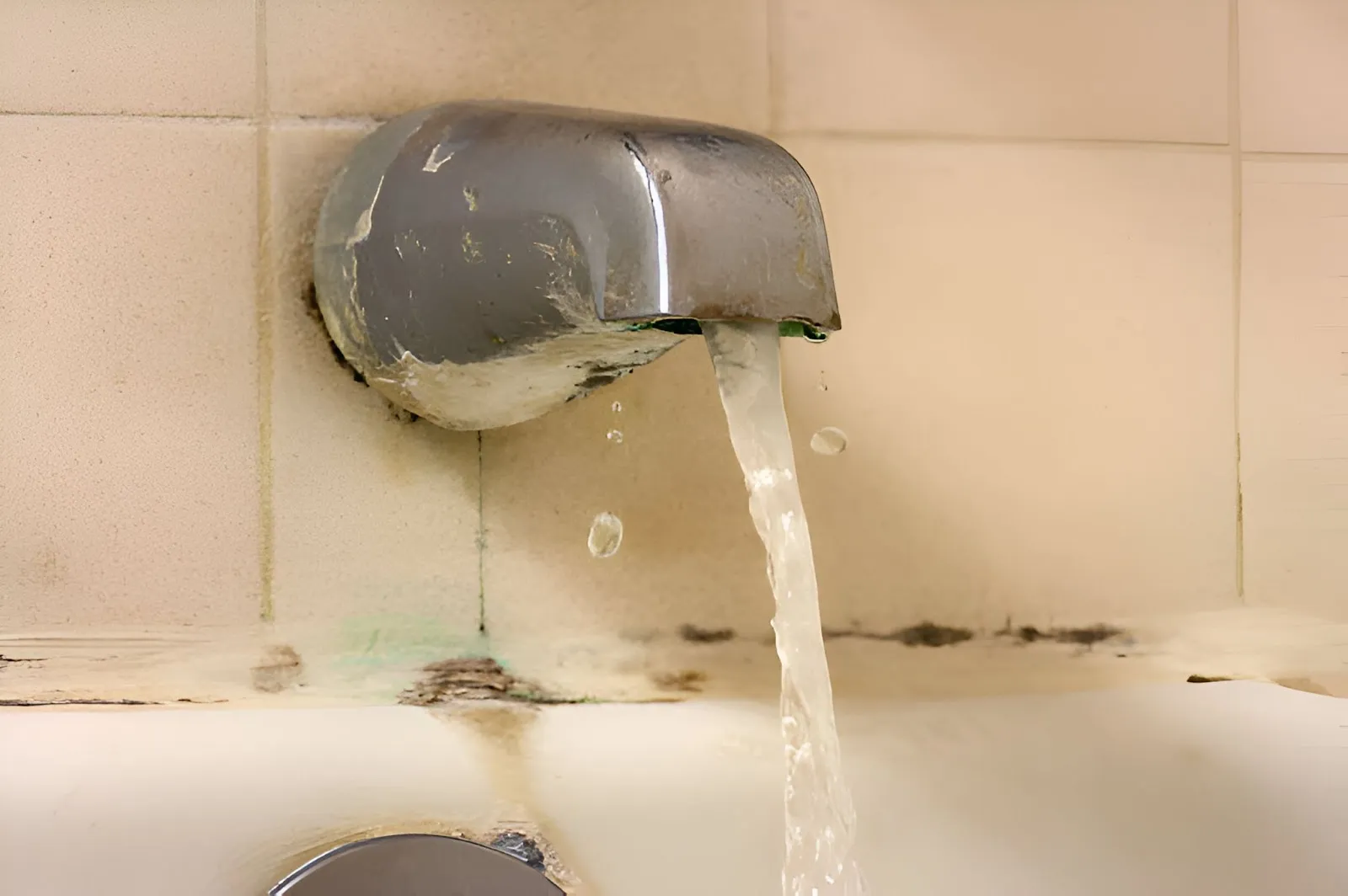
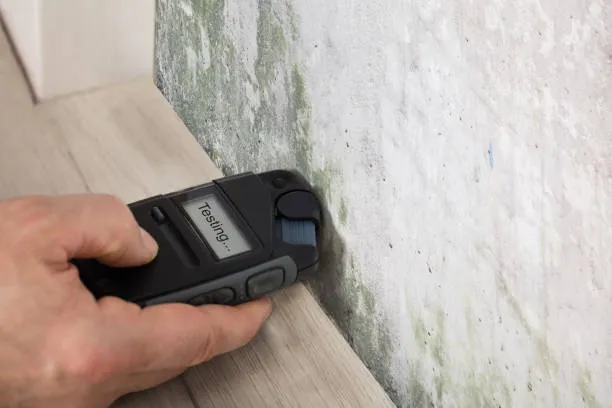
Image Caption: Image of Mould in Bathroom
Mould in the bathroom is a common occurrence due to the high levels of moisture generated from showers and baths. Secondly, the lack of adequate natural light can enhance their proliferation. Thirdly, improper ventilation is a common culprit that enables mould growth. Mould or mildew can grow in the bathroom on various surfaces, like tiles, shower curtains, and even walls. Like they always say, its better to prevent than to cure. Prevention is one of the safest measures you can take to prevent bathroom mould. Let’s have a look at some tips.
Effective tips to prevent mould in the bathroom
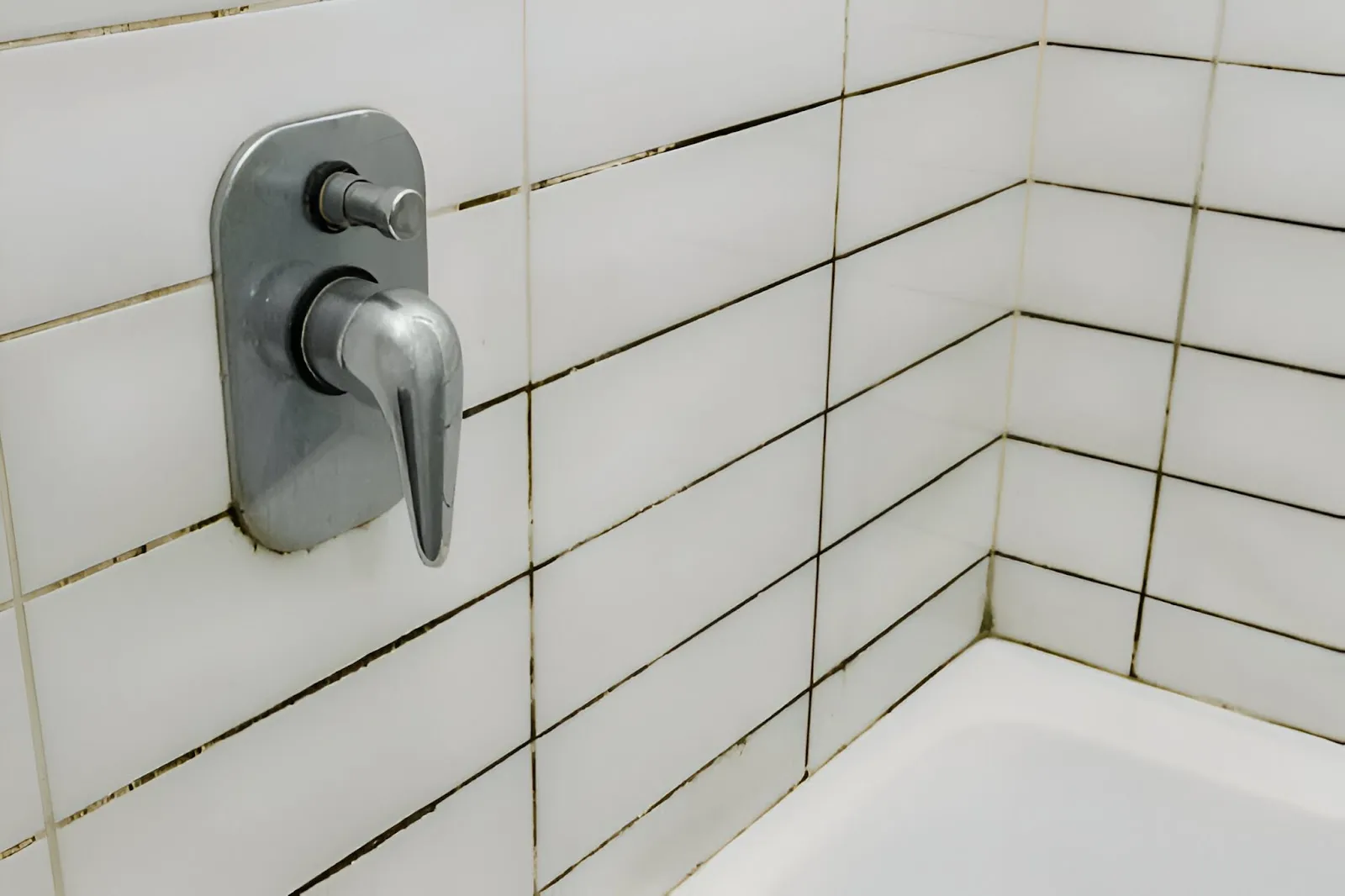
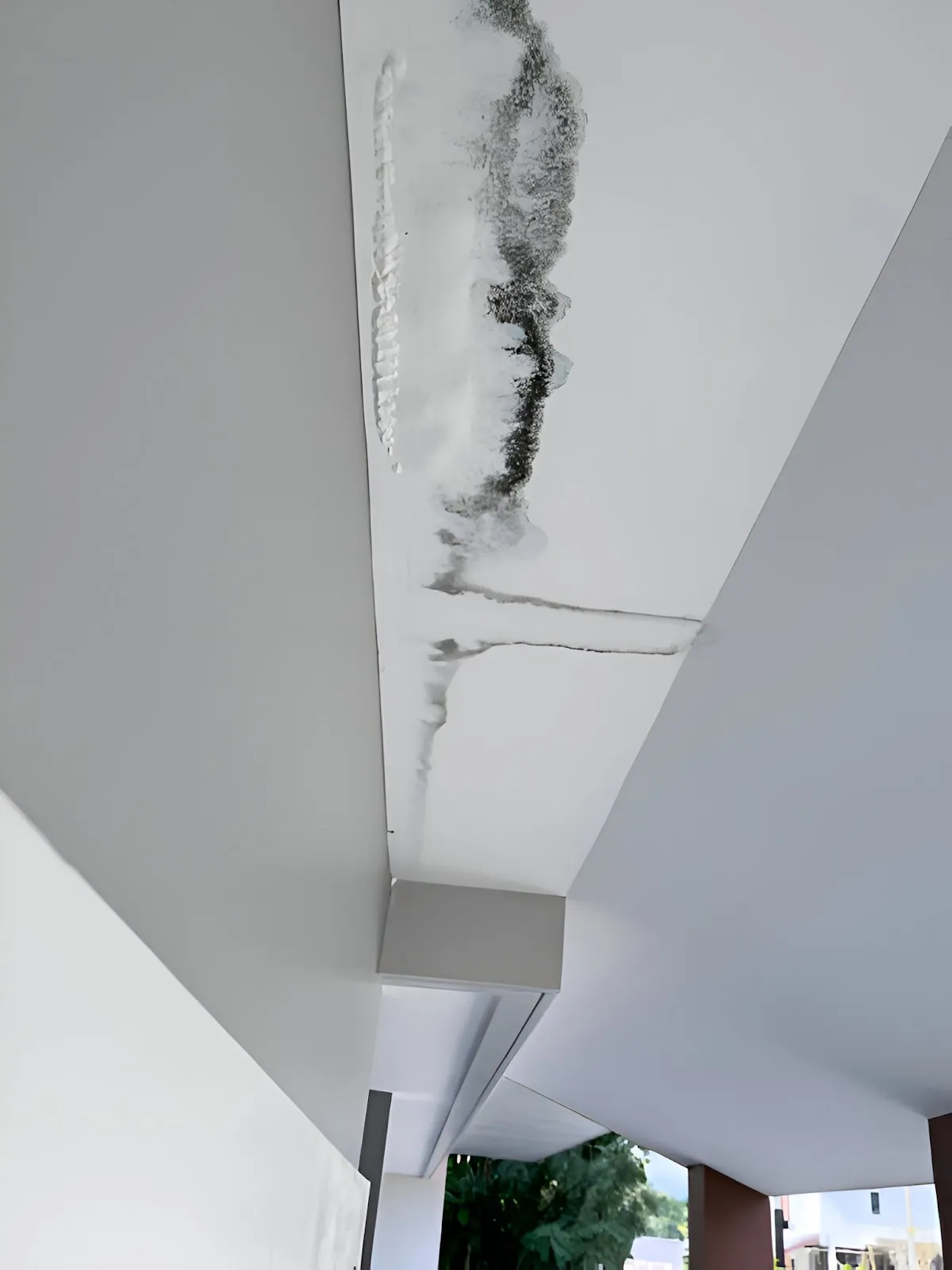
Image Caption: Bathroom Mould
1. Keep the shower clean
Cleaning your shower regularly is a key step to preventing mould in the bathroom. After every shower, use a squeegee to remove excess water from the shower walls and door. This simple step helps reduce the moisture that mould needs to thrive. Additionally, make it a habit to clean your shower curtain and replace it if mould starts to appear.
2. Use a dehumidifier
A dehumidifier can help reduce the humidity levels in your bathroom, making it less susceptible to mould growth. Place a small dehumidifier in your bathroom to efficiently remove excess moisture from the air. This is especially useful in bathrooms without windows or with poor ventilation. Regularly empty and clean the dehumidifier to ensure it operates efficiently.
3. Install a ventilation fan
Installing a ventilation fan in your bathroom is an efficient way to reduce humidity and prevent mould growth. Run the fan during and after showers to remove steam and moisture from the air. A good ventilation system is essential for keeping your bathroom dry and mold-free. If your bathroom does not have a fan, consider having one installed by a professional.
4. Just ventilate
Ventilation is so important in preventing mould growth in the bathroom such that without proper ventilation, moisture from hot showers and baths accumulates, creating an ideal environment for mould. Ensure that your bathroom has good ventilation by installing an exhaust fan or opening a window during and after showers. This helps to reduce the humidity and moisture levels, preventing mould spores from settling and growing.
5. Regular cleaning routine
You’ll increase the chances of preventing mould growth if you mop and clean your shower or bath space regularly. Thankfully, vinegar works perfectly fine for removing mould. Use a mixture of household vinegar and water to clean bathroom surfaces, tiles, and the shower curtain. Vinegar is an effective and natural mold removal agent. Spray the solution on affected areas, let it sit for a few minutes, and then wipe clean with a sponge or cloth. Regular cleaning prevents mould from taking hold and spreading.
Specific areas to target for mould prevention
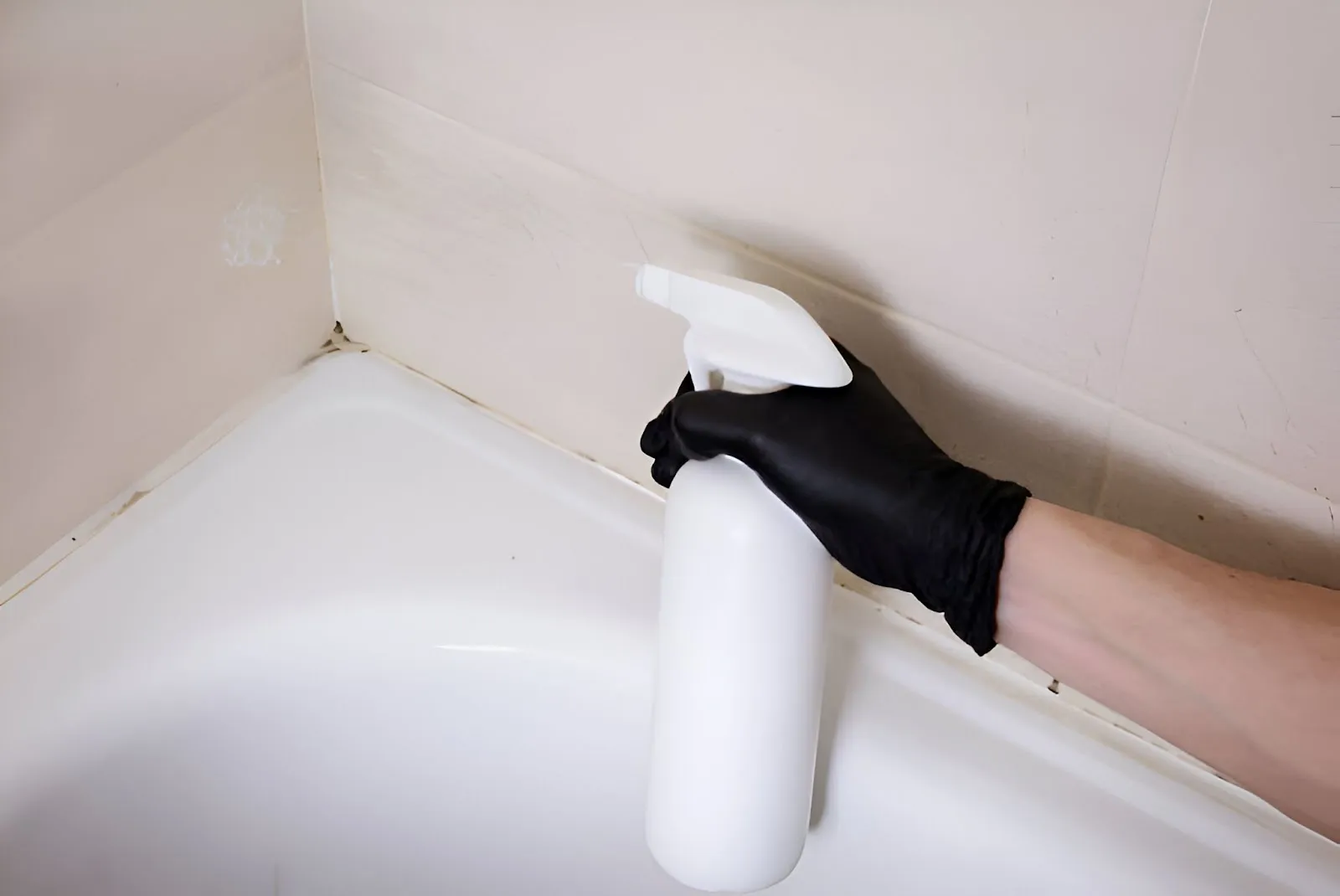
Image Caption: Mould Prevention Target Areas
Sometimes you might have a general look at your bathroom and think it’s completely free of mould. Hold your horses, double back and take a closer look at these areas:
Shower and bath areas
The shower and bath areas are the most common places for mould to grow in the bathroom. To prevent mould, ensure these areas are kept dry and clean. Use a squeegee to remove water from the walls and floor after each use, and wash your towels and bath mats regularly. Clean the tiles and grout with a mixture of vinegar and water to keep them free from mould and mildew.
Windows and ceilings
Windows and ceilings are often overlooked when it comes to mould prevention. However, mould can easily grow in these areas due to condensation. Regularly clean your windows and wipe down any condensation. Ensure that window blinds or curtains are opened to allow natural light to enter, which helps reduce mould growth. If you notice any mould on the ceiling, clean it immediately and check for any leaks that may be causing moisture buildup.
Towels and shower curtains
Towels and shower curtains can harbour mould if they remain damp for too long. After using a towel, hang it up to dry completely before using it again. Wash your towels frequently to prevent mould from growing on the fabric. Similarly, clean your shower curtain regularly or replace it if mould is present. Using mildew-resistant shower curtains can also help prevent mould in the bathroom.
Preventing mould in other bathroom areas
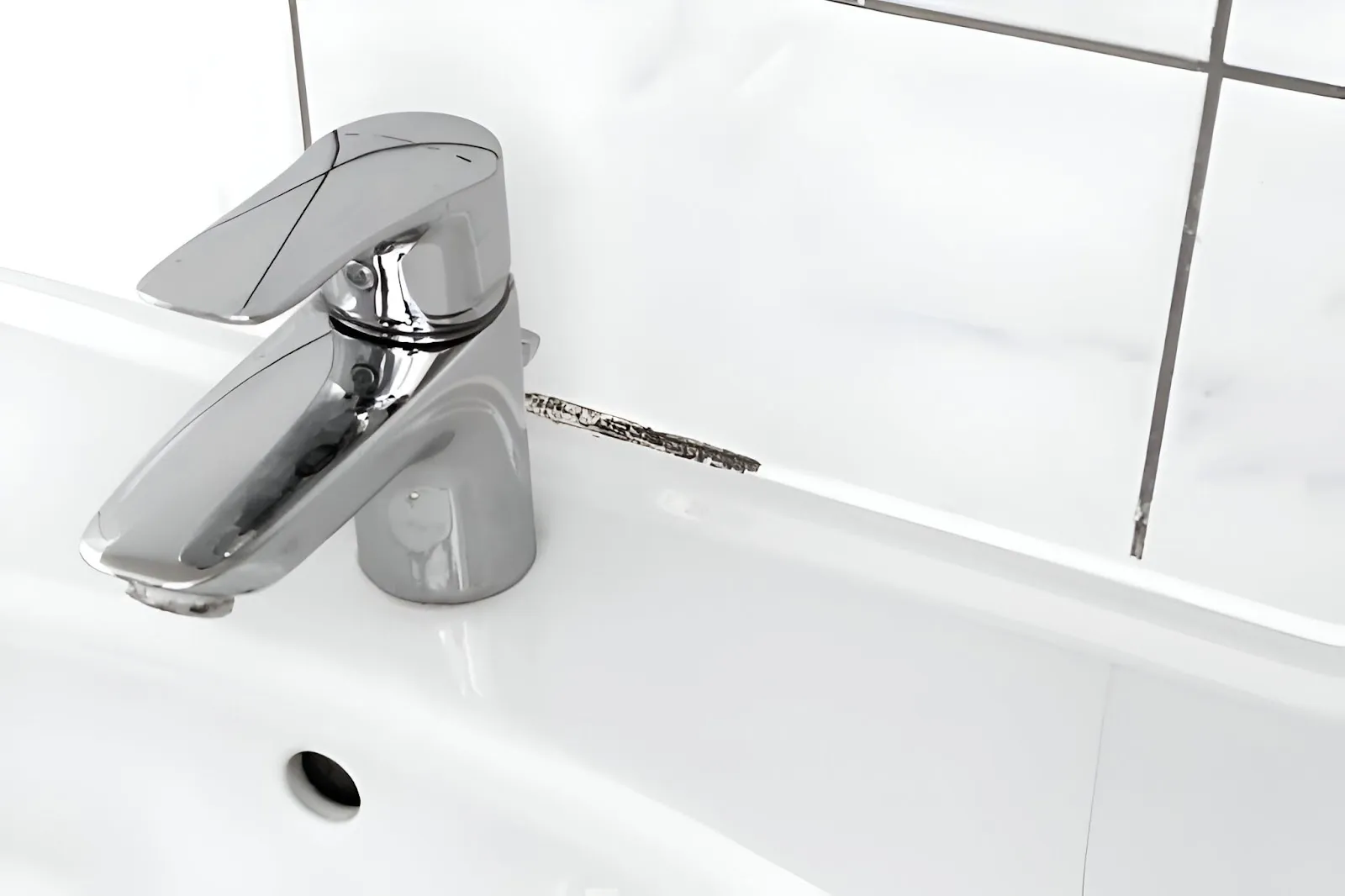
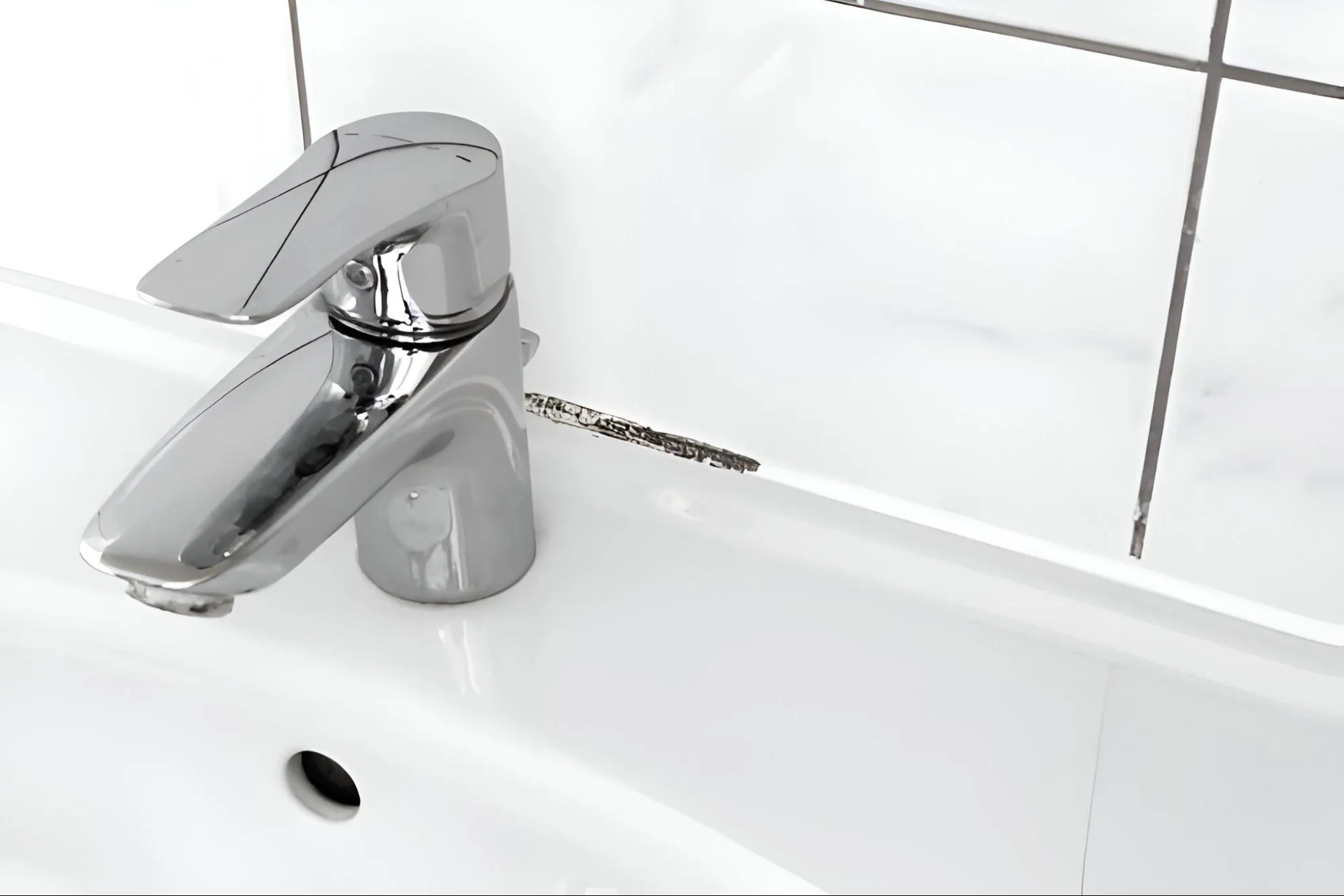
Image Caption: Bathroom Sink Mould
Bathroom walls and tiles
Bathroom walls and tiles are prone to mould growth due to constant exposure to moisture. Regularly clean these areas with a vinegar and water solution to remove mould spores. Pay special attention to the grout lines, as mould often starts to grow there first. If the grout is heavily stained with mould, consider re-grouting the tiles to prevent further mould growth.
Sinks and toilets
Sinks and toilets can also be breeding grounds for mould if they are not cleaned regularly. Use a household cleaner to wipe down the sink and toilet surfaces, ensuring they are free from mould and mildew. Regularly check for any leaks around the sink and toilet base, as these can lead to moisture buildup and mould growth.
Bathroom accessories
Bathroom accessories like soap dishes, sponges, and fabric items can harbour mould if they remain wet. Clean these items regularly and ensure they are thoroughly dried after each use. Avoid leaving wet sponges or cloths in the bathroom, as they can become breeding grounds for mould. Replace any items that show signs of mould growth.
Conclusion
Preventing mould in the bathroom requires consistent effort and attention to detail. From this post, you’ve learnt that by maintaining good ventilation, keeping the bathroom dry, and cleaning regularly, you can effectively prevent mould growth.
Remember to use natural cleaning solutions like vinegar and water, and consider installing a dehumidifier or ventilation fan to keep humidity levels low.
Moreso, if you can’t install enough lighting in your bathroom, consider opting for a skylight. The presence of light stops mould from growing.
By following these tips, you can ensure your bathroom remains clean, healthy, and mould-free.
If mould persists despite your efforts, it may be time to call us for professional assistance to rid your bathroom of mould. And if you’re looking for the best ways to regulate your bathroom odour, we are the right team to call. Contact us right away for a consultation and quotation.
FAQs
To remove mould from bathroom surfaces, use a mixture of vinegar and water in a spray bottle. Spray the solution on the affected areas, let it sit for a few minutes, and then wipe it clean with a sponge. This method is effective and doesn’t require harsh chemicals. If the mould is persistent, we recommend using a more potent household cleaner or seeking professional help.
To prevent mould from growing in the bathroom, wipe down the surfaces regularly. After each shower or bath, use a squeegee to remove excess water from the walls and floor. Additionally, make it a habit to wipe down the sink and toilet surfaces weekly. Regular maintenance helps keep moisture at bay, reducing the likelihood of mould growth.
To prevent mould from growing in the bathroom, ensure proper ventilation by using an exhaust fan or opening a window. Regularly clean the shower, tiles, and grout with a vinegar and water solution. Using a dehumidifier can also help by trapping excess moisture. Additionally, avoid leaving damp items like sponges and towels in the bathroom.
To keep your soap dish clean and mould-free, regularly wash it with a vinegar and water solution. Ensure that the soap dish has proper drainage to prevent water from accumulating. Using a soap dish with ridges or a slotted design can help keep the soap dry and reduce the chances of mould growth. Regular cleaning and good ventilation will help maintain a mould-free soap dish.
Washing your towels regularly is crucial to preventing mould because damp towels are a prime breeding ground for mould spores. After you bathe, hang your towels to dry completely before using them again. We recommend washing your towels at least once a week and ensuring they are fully dry before storing them. Clean towels contribute to a healthier, mold-free bathroom environment.
Yes, household items like vinegar and baking soda can be effectively used to clean and prevent mould in the bathroom. Vinegar in a spray bottle can be used to clean surfaces, while baking soda can be used to scrub grout lines and tiles. These natural solutions are effective and safe alternatives to chemical cleaners. Regular use of these household items can help maintain a mould-free bathroom.