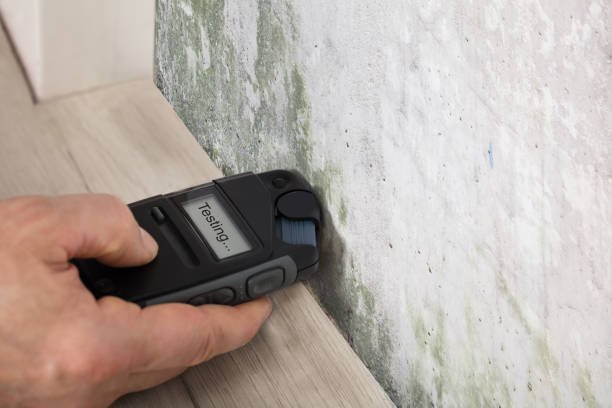
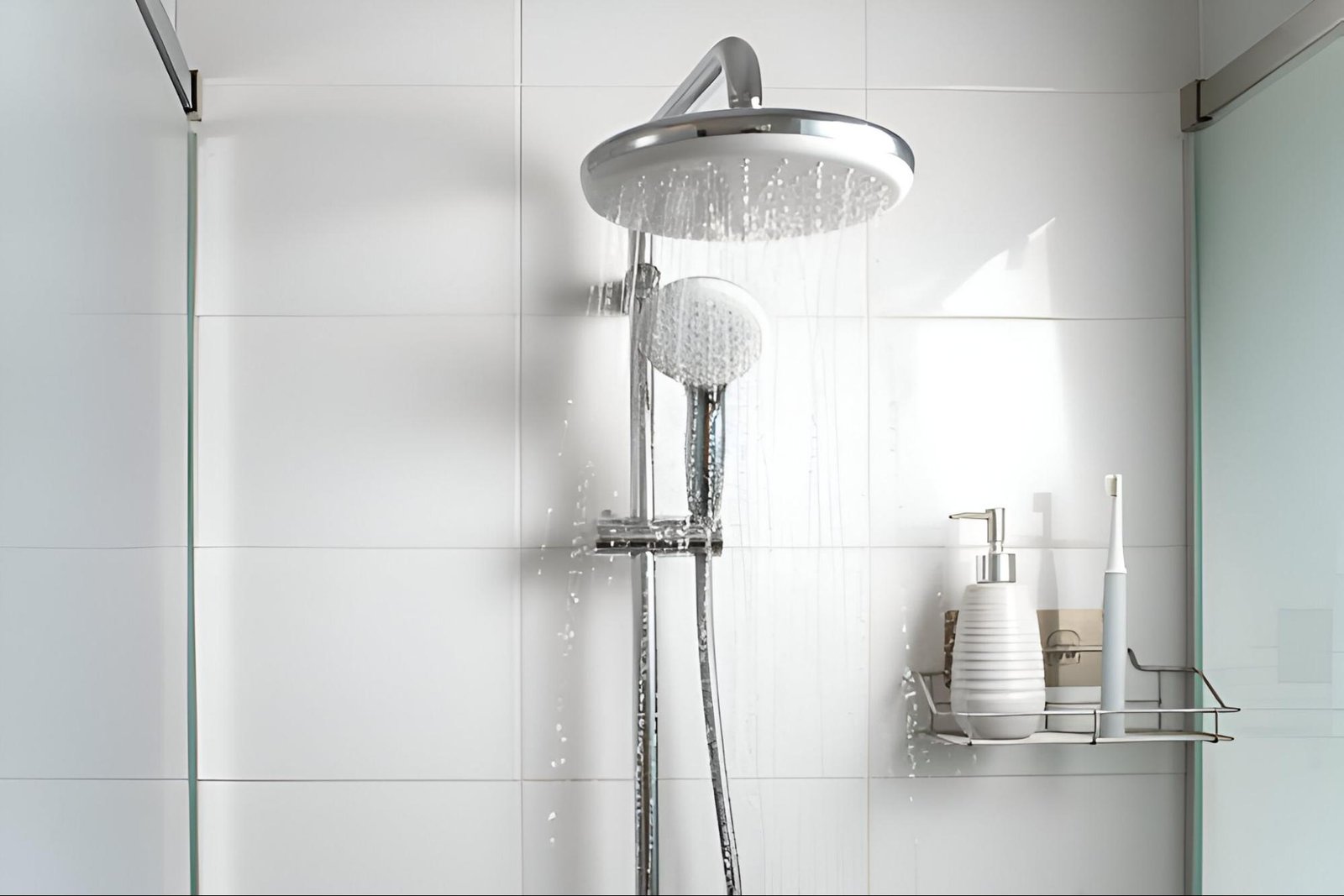
The bathroom is one of the best places mould loves to grow. Everyone takes a shower as a daily routine; hence, if you’re seeing mould in your bathroom, do not panic because you are not alone.
Mould or mildew are common issues in bathrooms due to the high humidity and frequent exposure to water. Trying hard to prevent mould in the bathroom is a necessary step for maintaining a clean and healthy living environment.
This guide promises to inform you of effective ways to prevent mould in your shower, ensuring that your bathroom is spotless, odourless, and sparkling clean for you and your family.
Keep your bathroom well ventilated
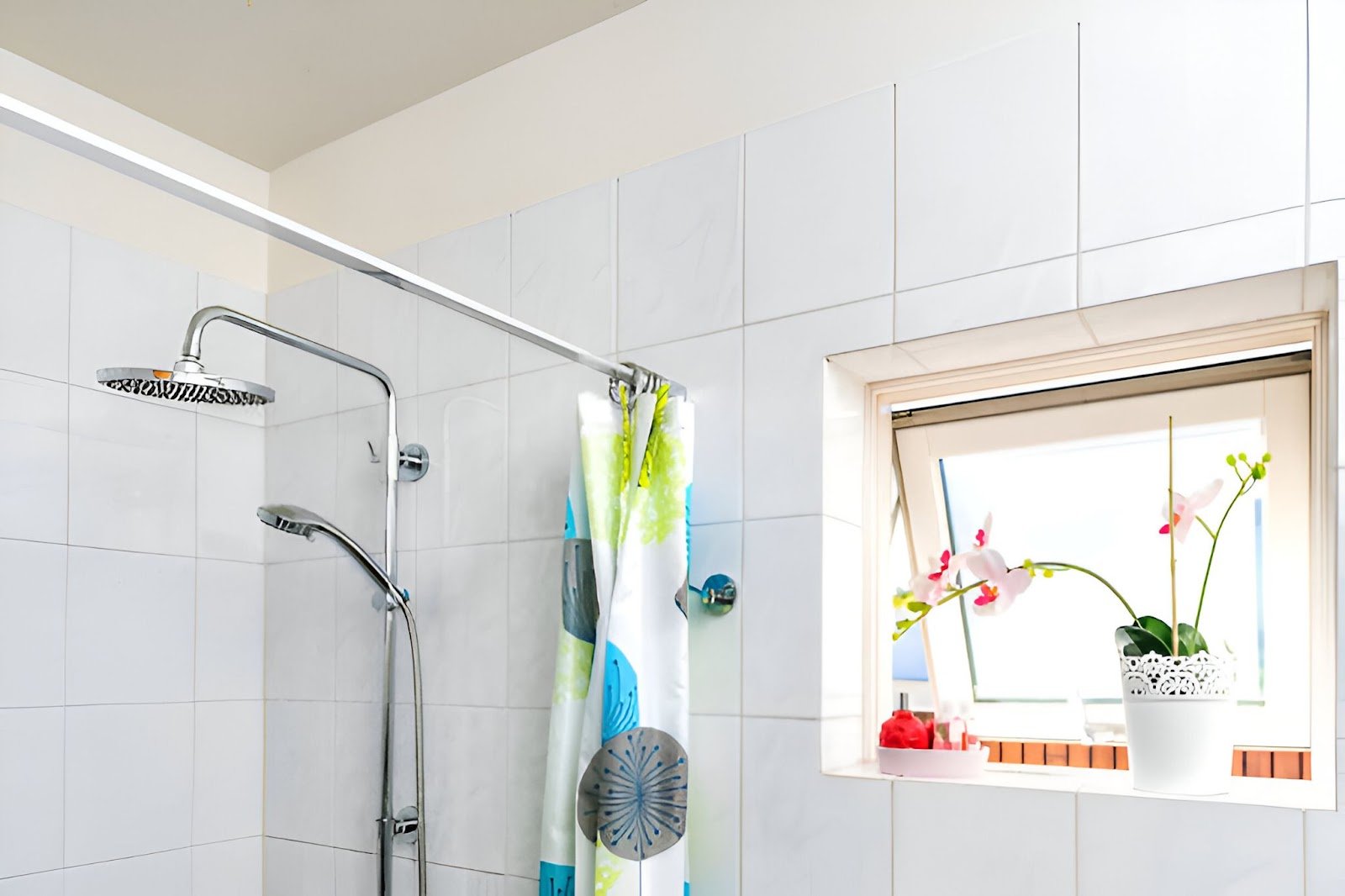
You can keep mould away by starting with proper ventilation. Proper ventilation is an enemy of mould and mildew. These fungus don’t like an airy space. Without adequate airflow, moisture can linger in the air and on surfaces, creating a perfect breeding ground for mould.
Use an exhaust fan
An exhaust fan is one of the most effective tools for reducing humidity in your bathroom. If your bathroom doesn’t have windows for ventilation, then an exhaust fan is another way to stop mould from growing in your bathroom. Make sure to turn off the bathroom fan during and after every shower or bath to expel humid air. Ideally, the fan should run for at least 30 minutes post-shower to ensure all moisture is removed from the room. If you don’t have a fan installed, consider consulting a plumber to add one.
Open windows and doors
If your bathroom has windows, opening them after a shower or bath can significantly help ventilate the space. This allows humid air to escape and fresh air to circulate, reducing the likelihood of mould growth. Additionally, keeping the bathroom door open when the bathroom is not in use can help maintain airflow.
Use a dehumidifier
For bathrooms that struggle with high humidity levels, a dehumidifier can be a practical solution. A dehumidifier works by removing excess moisture from the air, reducing the humidity level, and making it harder for mould to survive. Be sure to empty the water reservoir regularly and clean the unit as recommended by the manufacturer.
Regular cleaning to prevent mould and mildew

If you seriously want to get rid of mould, then cleaning needs to be your second nature. Regular cleaning keeps mould away from your bathroom. Mould spores can quickly grow on damp surfaces, so it’s essential to keep these areas clean and dry.
Clean shower walls and curtains
Shower walls and curtains are prime spots for mould to develop. After each shower, use a squeegee to remove excess water from the walls and doors. This simple step can significantly reduce moisture build-up. Additionally, regularly wash your shower items, like your shower curtain and shower curtain liner, to prevent mould from appearing. If your curtain is fabric, it can usually be washed in the washing machine with a bit of white vinegar, which helps to kill mould spores.
Don’t forget the grout
Bathroom grout is another area where mould loves to grow. Regularly scrubbing the grout with a brush and a mild cleaner can help prevent mould growth. If you notice the grout cracking, it’s important to repair it promptly, as cracked grout can lead to mould growth behind tiles.
Clean bathroom items
Items like soap dishes, sponges, and shampoo bottles can harbour mould if left wet. Ensure these items are dried after use and regularly cleaned to prevent mould from taking hold. Don’t forget to check all the nooks and crannies where water can collect, such as the ledge of the shower or around the soap dish.
Manage moisture levels

Another tip to prevent mould in showers is to reduce the moisture in the air. Managing the moisture levels in your bathroom is key to preventing mould. Mould thrives in damp environments, so reducing moisture is essential. Here are some tips you can apply:
Use bath mats and towels
Using bath mats can help absorb excess water from the floor, reducing the overall humidity in the bathroom. Be sure to wash your towels and bath mats frequently and allow them to dry completely between uses. Hanging towels and bath mats in a well-ventilated area can also help prevent mould growth.
Control humidity levels
Using a hygrometer to monitor humidity levels in your home and not just your bathroom can be very helpful. Ideally, you want to keep humidity levels below 50 percent. If the humidity is too high, use a dehumidifier or exhaust fan to bring it down.
Fix leaks promptly
Leaky faucets, pipes, or showerheads can contribute to mould growth by providing a constant source of moisture. Fixing leaks promptly is essential to preventing bathroom mould. If you’re not comfortable handling the repairs yourself, it’s best to call a plumber.
Additional tips to prevent mould and mildew

In addition to the above steps, there are several other tips to prevent mould and mildew in your bathroom.
Use mould-resistant products
Consider using mold-resistant paint and caulk in your bathroom. These products contain additives that inhibit mould growth, providing an extra layer of protection.
Install a shower squeegee
Using a shower squeegee after each shower can significantly reduce moisture build-up on tiles and glass doors. This simple tool helps to quickly remove water, making it harder for mould to develop.
Incorporate a daily shower spray
Using a daily shower spray can help keep mould and mildew at bay. These sprays typically contain ingredients that prevent mould and mildew growth and can be easily applied after each shower.
Conclusion
Preventing mould and mildew in your bathroom requires a combination of good ventilation, regular cleaning, and moisture management. Due to potential health hazards like asthma or allergies, coughing, and sneezing, getting rid of mould is essential.
By implementing the strategies outlined above, you can keep your bathroom mould-free and maintain a healthy environment for you and your family. Remember, the key to preventing mould is consistency. Regularly check for signs of mould and take immediate action if you spot any. With these tips, you can enjoy a clean and mould-free bathroom.
If you’ve been finding it difficult to remove mould from your shower, reach out to us today. At MouldPlus, we will provide result driven mould remediation services to keep your walls and ceilings free from mould.
FAQs
To prevent mould in your bathroom, ensure proper ventilation by using an exhaust fan or opening windows. Use a dehumidifier if needed to reduce condensation and prevent moisture build-up. Clean mould-prone areas regularly and use mould-resistant products. Fix any leaks promptly to avoid rotting wood and mould growth.
Cracking bathroom grout can lead to mould growth in the crevices. To prevent this, regularly inspect and repair any cracks. Keeping the grout clean and dry will also help. Re-seal grout lines as needed, and consider using a mould-resistant grout sealer to provide additional protection.
Call a plumber if you have persistent leaks or water issues that you can’t fix yourself. Leaky pipes or fixtures can lead to mould growth and health concerns like wheezing and coughing. A professional plumber can address these issues, preventing further damage and mould problems.
To clean mould off a shower curtain, remove it and wash it with a mild detergent and white vinegar. For plastic curtains, you can also add baking soda for extra cleaning power. Ensure the curtain is thoroughly dry before rehanging it to prevent mould from reappearing.
To prevent mould from appearing on shower items, store them in a way that allows them to dry between uses. Use a squeegee to remove water from shelves and soap dishes at the end of your shower. Regularly clean and dry items like sponges and body wash containers to prevent mould growth in your shower.
Wash your towels at least once a week to prevent mould. Ensure they are completely dry before storing them. Hanging towels in a well-ventilated area and avoiding leaving them in a damp heap will help prevent mould and mildew growth.
A bathroom fan helps prevent mould by reducing humidity and condensation levels in the air. Run the fan during and after each shower for at least 30 minutes to expel moist air. This simple step is crucial to preventing mould and mildew from growing in your bathroom.