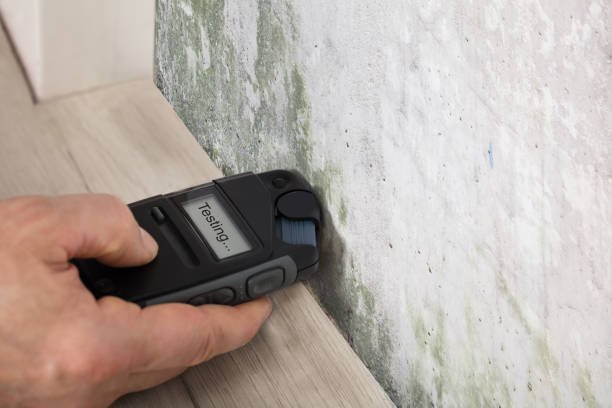
Mould in your home can be an unpleasant and unhealthy issue. This fungus can be found in the bathroom, creeping along the walls, or lurking in the basement. Mould not only damages surfaces but can also cause a lot of health risks.
One common question many homeowners face is if bleach can effectively kill mould and be used to eliminate it.
Thankfully, we have the answers.
In this post, we will explore the effectiveness of using bleach to kill mould, the right steps for mould removal, and if there are better alternatives for cleaning mould from your home.
Does bleach kill mould effectively?
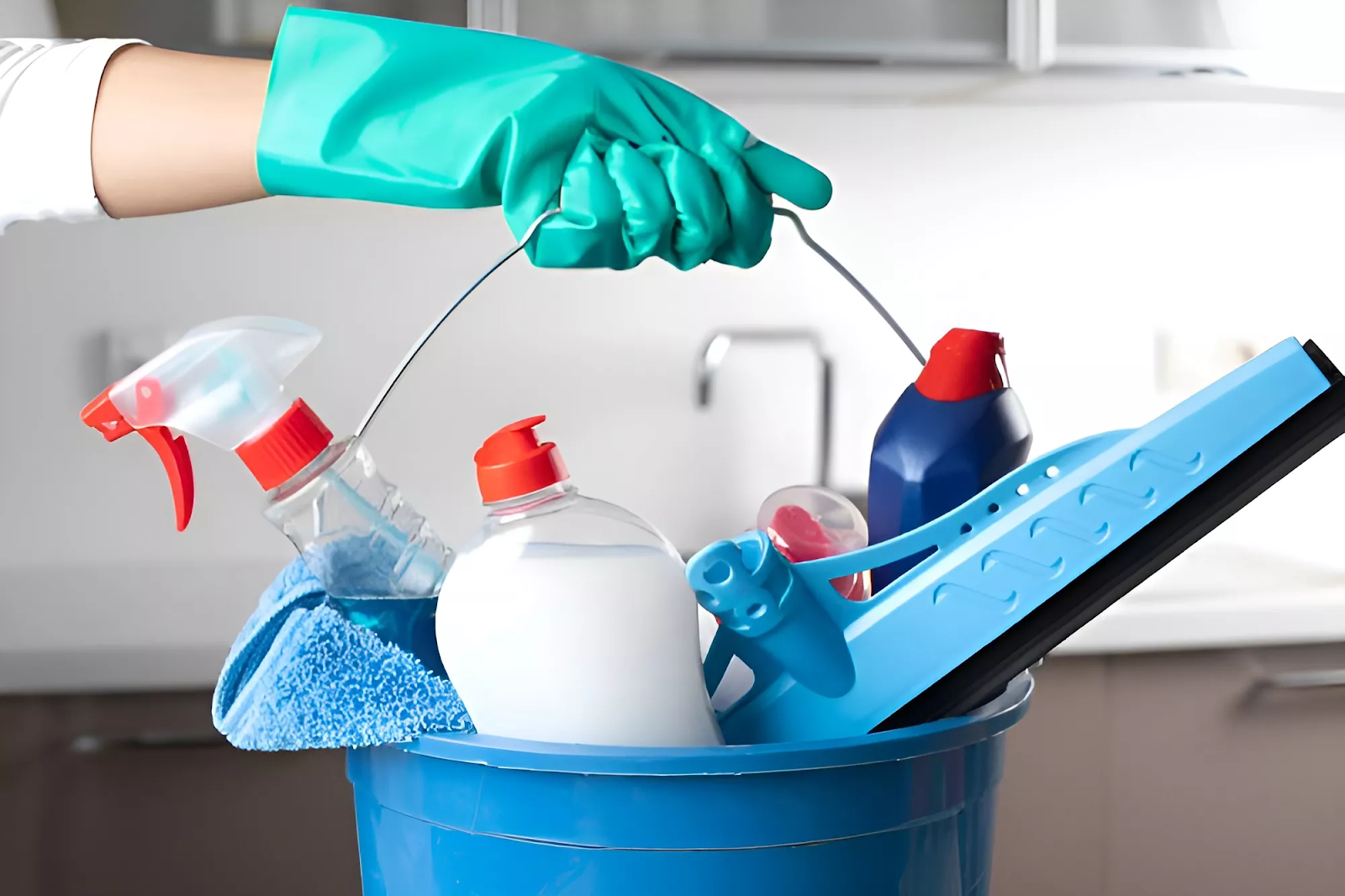
Many people believe that using bleach is the quickest and easiest way to get rid of mould. Indeed, bleach can kill some mould species and eliminate mould growth on non-porous surfaces like tiles and glass. However, bleach is not a comprehensive solution for treating mould in your home.
Bleach for killing mould on non-porous surfaces
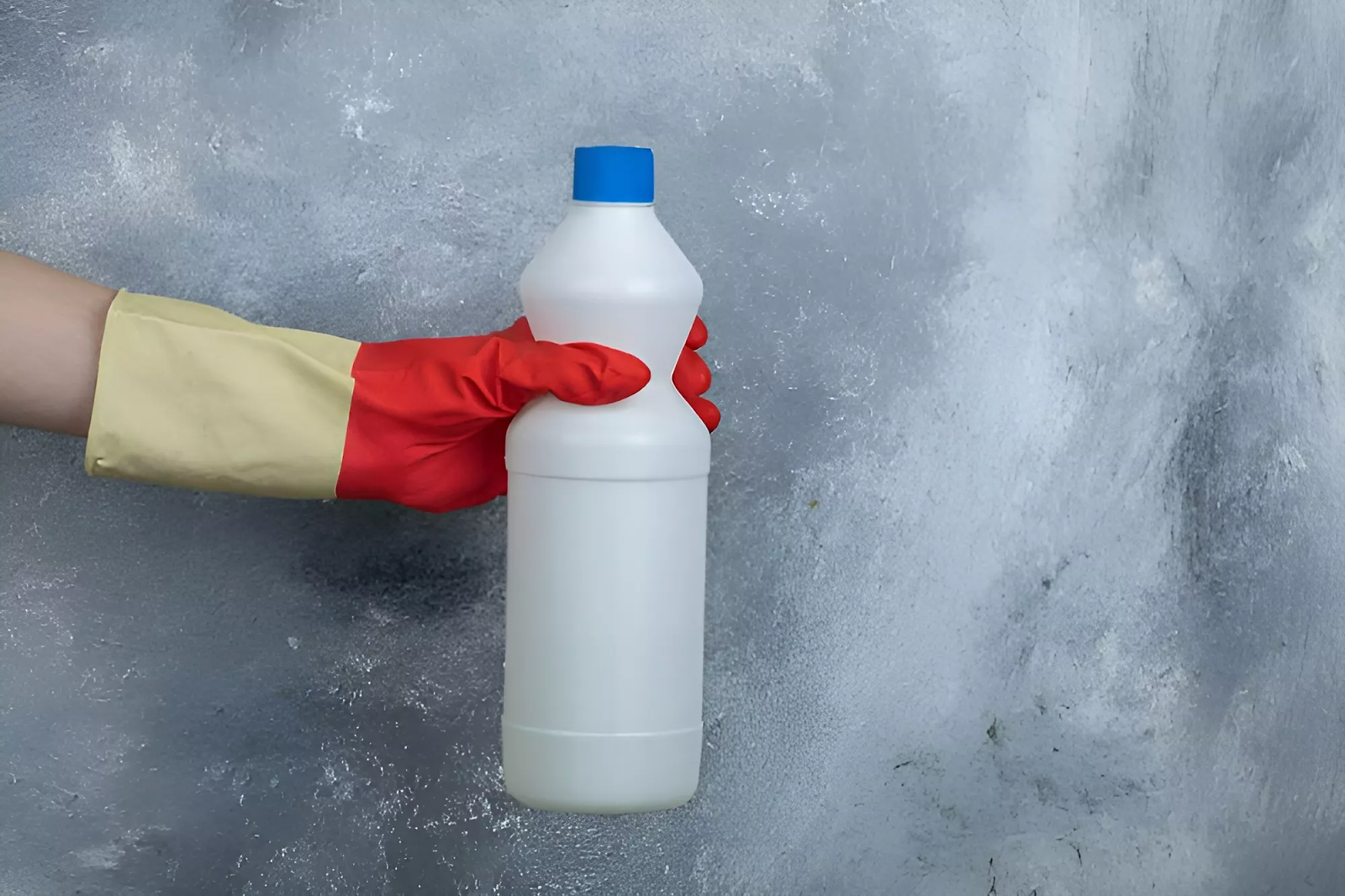
Bleach can kill mould on non-porous surfaces such as tiles, countertops, and glass. When mould forms on these smooth surfaces, it remains on the surface rather than penetrating deep into the material. In such cases, bleach can effectively kill the mould spores and remove mould stains. To use bleach on mould, it is recommended to dilute household bleach with water at a concentration of one cup of bleach per gallon of water. The solution should be applied to the mouldy surface and scrubbed thoroughly.
However, while bleach might appear to remove mould, it only works on visible mould on non-porous surfaces. The chlorine in bleach does not penetrate porous materials like wood, drywall, or fabrics, leaving the mould roots intact beneath the surface.
Bleach won’t kill mould on porous surfaces
When dealing with mould on porous surfaces, such as wood, drywall, or fabrics, bleach is not effective.
Mould can grow deep into these materials, and bleach does not penetrate them fully. While the surface may appear clean after using bleach, the mould will likely regrow since its spores are still present inside the material. Bleach can’t kill mould beneath the surface, which is why using it to treat mould on porous materials often leads to recurrent mould growth.
In addition, using bleach on porous surfaces can cause more damage. Since bleach contains around 90% water, applying it to porous materials can actually encourage further mould growth. The water soaks into the material, feeding the mould spores and allowing the fungus to spread.
The risks of using bleach for mould removal
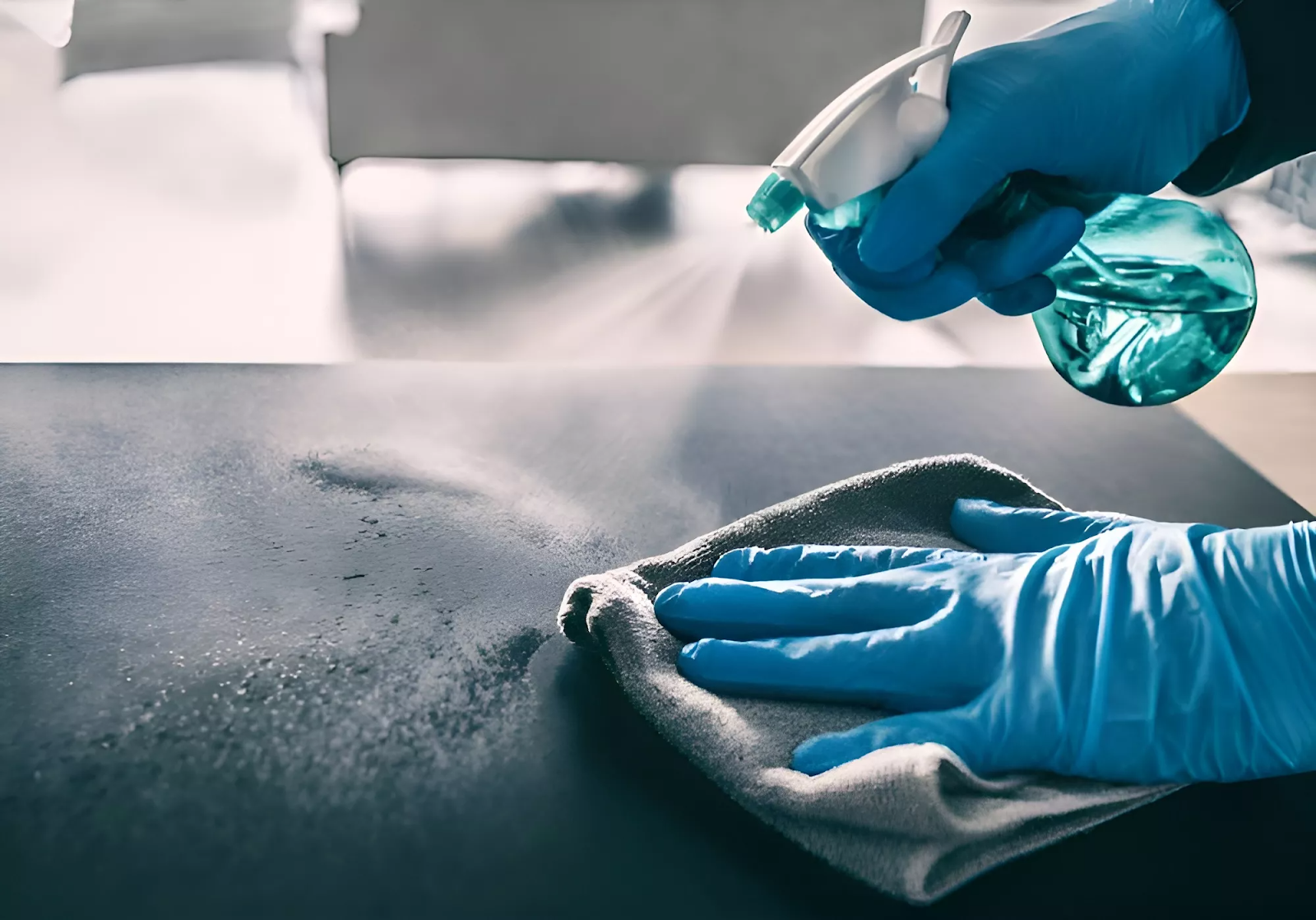
While bleach may seem like a convenient solution, it comes with several risks when used for mould removal. Bleach is a corrosive substance that can cause harm to both your health and the surfaces it is applied to. Let’s examine some of the health risks and potential damage associated with bleach use.
Health risks of using bleach on mould
Bleach is a strong chemical that can damage surfaces over time. When used on porous materials, bleach can cause staining, discoloration, or even weakening of the material. For example, wood treated with bleach may become brittle, while fabrics can lose their colour and texture. As a corrosive agent, bleach may also erode certain types of finishes, leading to costly repairs in the long run.
Alternatives to bleach for mould removal
Given the limitations and risks of using bleach, you may be wondering if there are safer and more effective alternatives for mould removal. Thankfully, several natural and commercially available mould removal products can be used to treat mould without the harmful effects of bleach.
Vinegar and tea tree oil
One of the most effective alternatives to bleach for mould removal is white vinegar. Vinegar is a natural, non-toxic solution that can kill mould and prevent future mould growth. Simply spray undiluted white vinegar onto the affected area and let it sit for an hour before scrubbing. Vinegar is particularly effective on porous surfaces where bleach can’t reach, making it a safer choice for household mould cleaning.
Another natural alternative is tea tree oil. This essential oil has powerful antifungal properties that can kill mould spores and prevent regrowth. To use tea tree oil for mould removal, mix one teaspoon of tea tree oil with one cup of water and spray it onto the mouldy area. Like vinegar, tea tree oil works well on both porous and non-porous surfaces.
Hydrogen peroxide
Hydrogen peroxide is another effective mould removal agent that is safer than bleach. It works by breaking down the mould’s structure and killing the spores on contact. To use hydrogen peroxide, apply a 3% concentration directly to the mould and let it sit for about 10 minutes. Then, scrub the surface clean. Hydrogen peroxide can be used on both porous and non-porous surfaces, making it a versatile option for tackling mould growth.
Commercial mould removal products
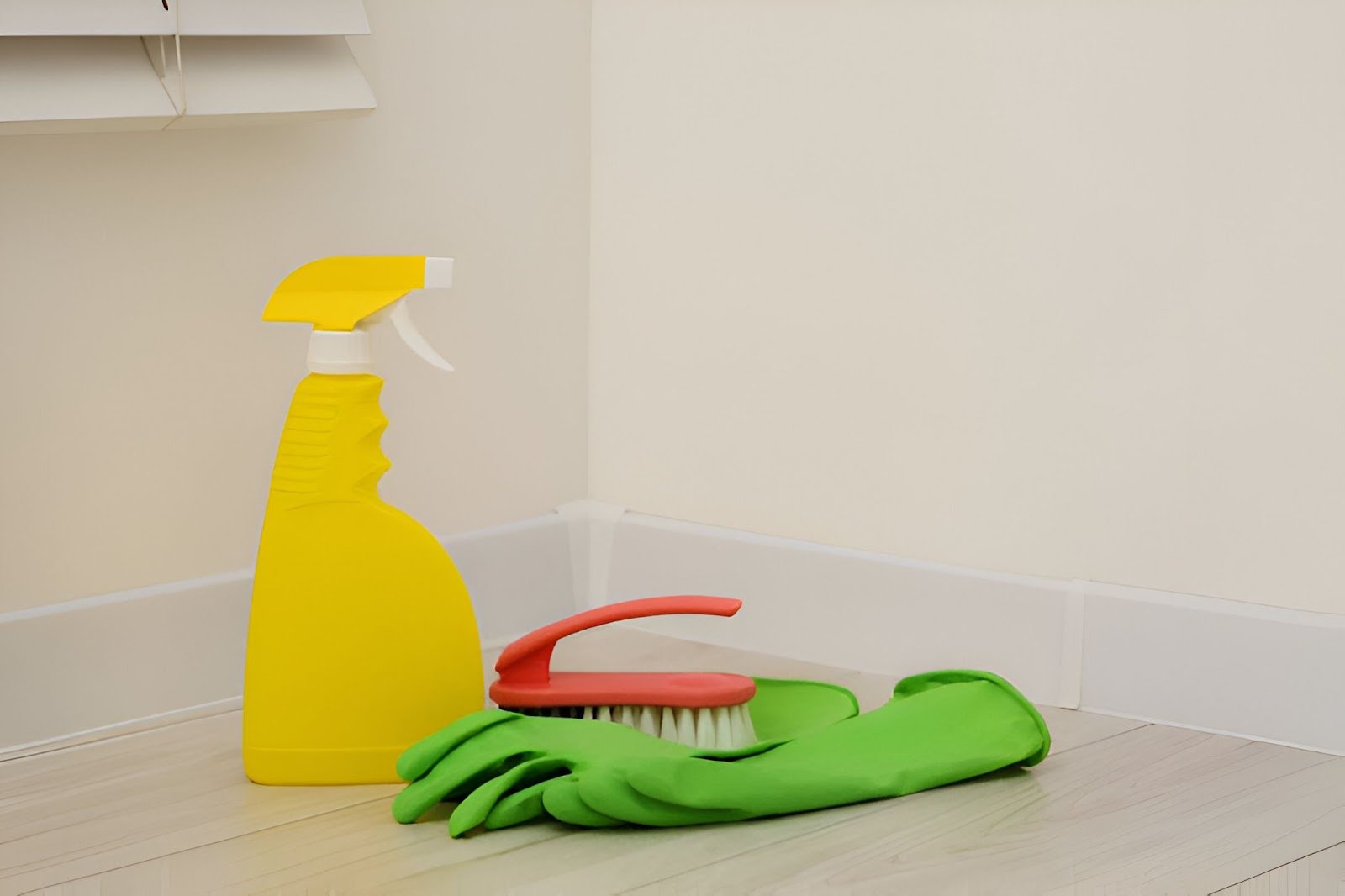
If you prefer a store-bought solution, many commercially available mould removal products are safer than bleach. These products are specially formulated to kill mould, prevent regrowth, and protect surfaces from damage. Some products even include eco-friendly ingredients that are gentle on the environment. When choosing a mould removal product, be sure to read the label and opt for a product that is safe for use on the specific surface you are treating.
Professional mould removal services
In cases where mould has spread extensively or is growing in difficult-to-reach areas, it may be best to hire a professional mould removal service. Professionals use specialised equipment and treatments to ensure that all mould spores are removed, preventing the mould from returning. They can also assess the source of the mould growth, such as moisture or leaks, and recommend solutions to prevent future mould issues.
Hiring a professional can be particularly important if mould is present in large quantities or poses a health risk. People with asthma, allergies, or other respiratory conditions should avoid direct exposure to mould and instead seek expert help.
Preventing future mould growth
Once you have removed the mould, it is necessary to take steps to prevent future mould growth. Mould thrives in damp, humid environments, so reducing moisture in your home is the key to long-term mould prevention.
Control humidity levels
Maintaining a low humidity level in your home can significantly reduce the risk of mould growth. Aim to keep indoor humidity below 50% by using dehumidifiers, especially in areas prone to moisture like basements, bathrooms, and kitchens. Ventilation is also important—use exhaust fans in the bathroom and kitchen, and ensure that windows are opened regularly to allow fresh air to circulate.
Fix leaks and water damage
Mould often grows in areas with water damage, such as around leaky pipes, roofs, or windows. Fixing leaks promptly and drying any water-damaged materials can prevent mould from taking root. If you notice water stains on walls, ceilings, or floors, address the source of the moisture as soon as possible to avoid mould infestation.
Conclusion
While bleach can kill mould on non-porous surfaces, it is not an entirely reliable or safe solution for eliminating mould on porous materials. The risks associated with using bleach, including health hazards and surface damage, make it an unsuitable choice for long-term mould remediation. Instead, natural alternatives like vinegar and tea tree oil, as well as professional mould removal services, offer safer and more effective ways to remove mould and prevent its regrowth.If you are dealing with mould in your home, consider using a safer, more reliable solution than bleach. Not only will you protect your surfaces and your health, but you will also ensure that the mould is fully removed and won’t return. For extensive mould problems, feel absolutely free to contact us for a professional mould removal service today.
FAQs
To effectively remove mould, you can start by cleaning the affected areas using a mixture of bleach and water. While bleach can kill mould on non-porous surfaces like tile, it won’t penetrate porous materials, where mould spores can continue to grow. For long-term results, consider using alternatives like vinegar or tea tree oil, which can kill the mould and prevent it from returning. However, for extensive mould infestations, professional mould removal services may be necessary.
You should avoid using bleach on porous surfaces such as wood, drywall, or fabric. Bleach is only effective on non-porous surfaces like tile, as it doesn’t penetrate deeply enough to kill mould spores or stop mould growth in porous materials. Instead, use vinegar or hydrogen peroxide for porous surfaces, as these can be more effective in eliminating mould without causing further damage.
Yes, bleach can kill mould on the surface of non-porous materials. However, it’s not always enough to prevent mold from growing back, especially on porous surfaces. Bleach may not reach deep enough into materials like wood or drywall, leaving behind viable spores that can trigger new mould growth. To ensure long-term mould removal, it’s important to address the underlying causes of moisture and humidity in your home.
Yes, there are several alternatives to bleach for cleaning mould. Vinegar, tea tree oil, and hydrogen peroxide are effective natural solutions that can kill mould on both porous and non-porous surfaces. These alternatives are safer for indoor use and less likely to damage materials compared to chlorine bleach. Additionally, white vinegar can be particularly effective in reducing mould spores and preventing future mould growth.
Mould remediation involves more than just cleaning the visible mould. It’s a comprehensive process that includes identifying the source of moisture, removing contaminated materials, and thoroughly cleaning the area to prevent future mould growth. For small areas, DIY methods using bleach or vinegar might work, but for larger infestations or mould in your home, a professional mould removal service is recommended. They have the tools and expertise to ensure complete mould removal and address potential health risks.
To prevent mould from growing, it’s important to control the moisture levels in your home. Regularly check areas prone to dampness, such as bathrooms, basements, and kitchens, for signs of mould growth or moisture buildup. Use dehumidifiers, fix leaks, and ensure good ventilation to reduce humidity levels. Regularly clean surfaces where mould tends to grow using natural solutions like vinegar or hydrogen peroxide to keep mould spores at bay. Addressing moisture problems is the best way to prevent mould in your home long-term.