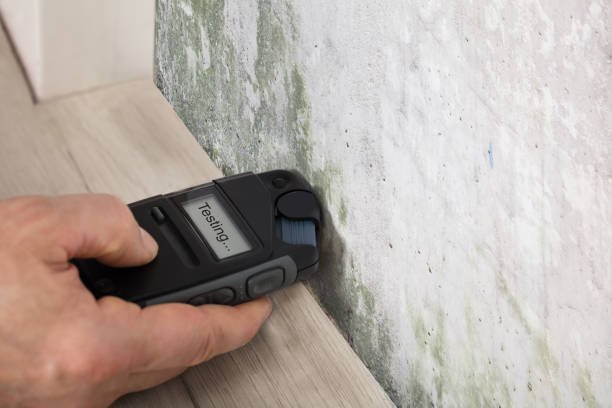
Condensation on windows, mould on windows, and black mould are common issues many homeowners face, especially during the colder months. These problems affect the beauty of your home and also cause potential health risks. Understanding the causes, prevention, and removal of these issues is essential for maintaining a healthy living environment.
What causes condensation?
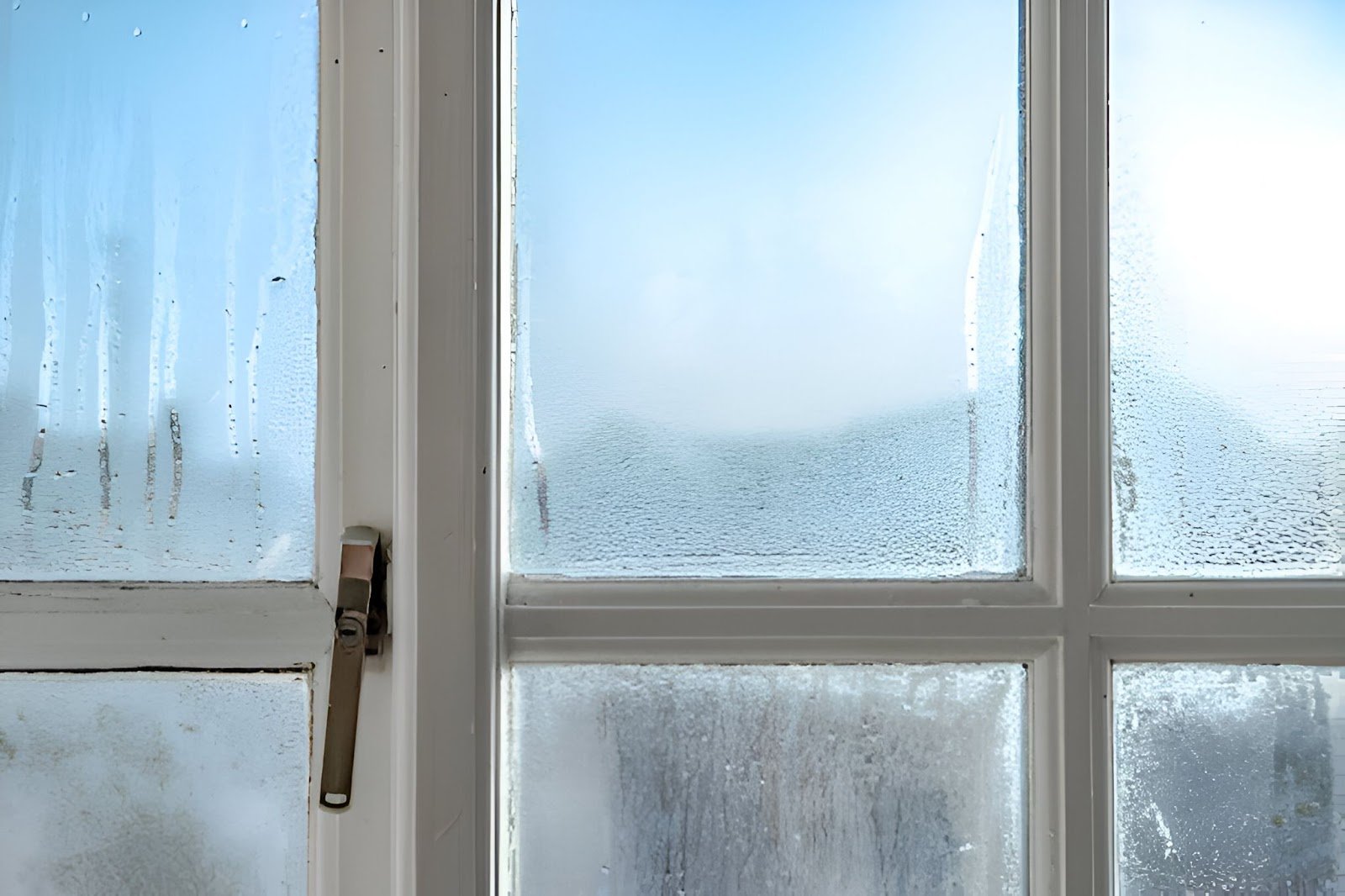
Condensation is the process where moist air comes into contact with a cold surface, like a window pane, resulting in water droplets. This phenomenon is most noticeable during the winter months, when warm air inside meets colder air outside. Here are some common causes of condensation:
Indoor humidity and temperature differences
High indoor humidity levels, combined with significant temperature differences between the inside and outside of your home, can lead to condensation. Humidity levels rise from daily activities such as cooking, bathing, and even breathing. When this moist air inside the home meets the cooler surfaces of windows, condensation occurs.
Poor ventilation
Inadequate ventilation exacerbates the condensation problem. When air cannot circulate properly, moist air gets trapped inside the home, increasing indoor humidity levels. Proper ventilation helps to reduce condensation by allowing moisture to escape.
Excess moisture
Sources of excess moisture inside the home, such as water leaks and damp areas, contribute to higher humidity levels. It’s necessary to identify and fix any leaks or damp spots to prevent condensation and subsequent mould or mildew growth.
The dangers of black mould
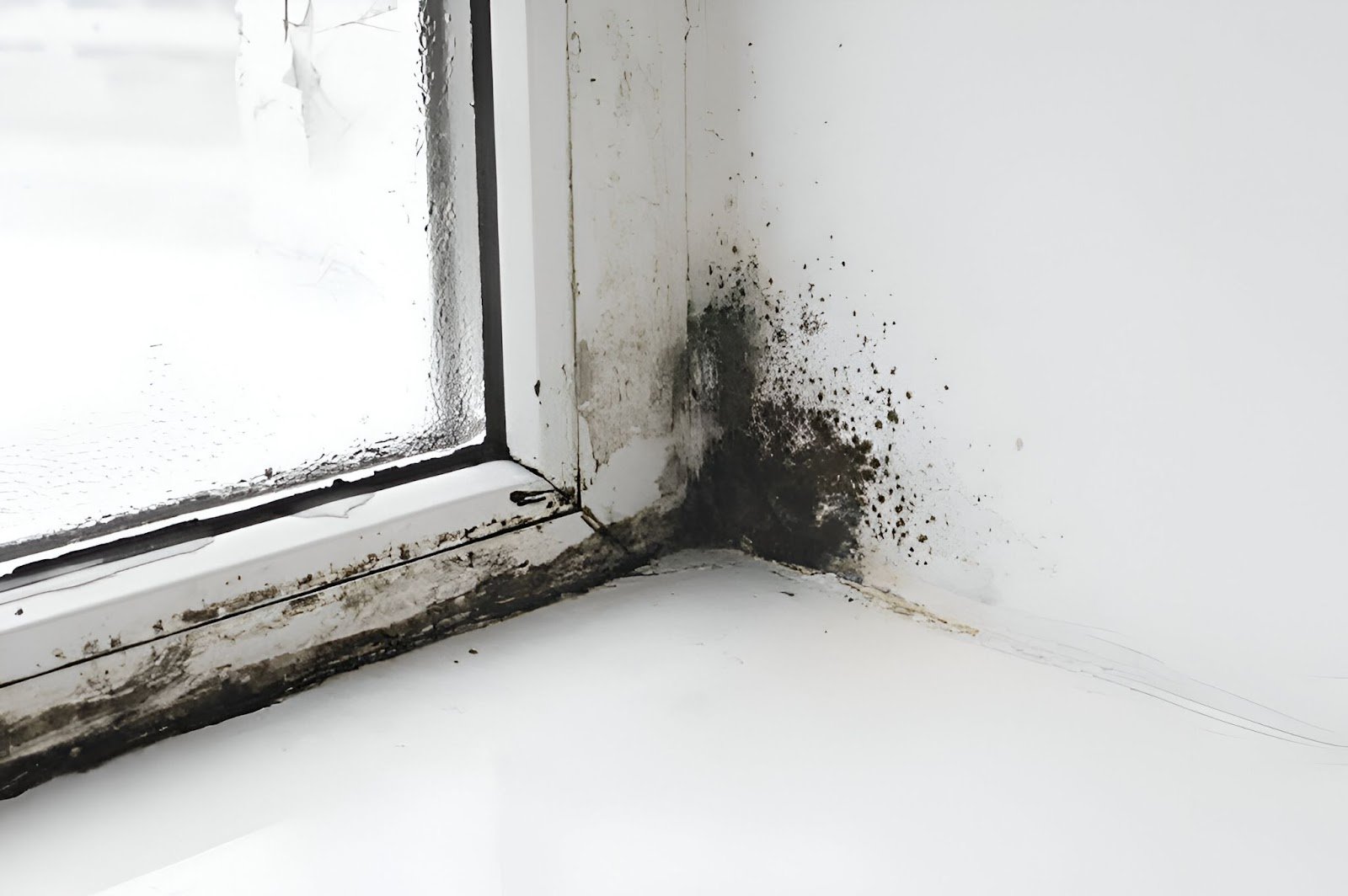
Black mould, also known as Stachybotrys chartarum, is a type of fungus that thrives in damp, humid environments. It is commonly found in areas with persistent condensation, such as windowsills and window frames. Black mould growth poses significant health risks, including respiratory issues, allergies, and even mycotoxin poisoning in severe cases.
Why black mould grows
Black mould thrives in damp conditions, making windows and other moisture-prone areas ideal environments. High humidity levels, poor ventilation, and condensation contribute to the growth of black mould. It’s important to understand that mildew or mould spores are everywhere, and when they find a suitable environment, they start to form colonies.
Health risks of black mould
Exposure to black mould can lead to a variety of health problems, especially for individuals with respiratory conditions, allergies, or weakened immune systems. Symptoms may include coughing, sneezing, eye irritation, and skin rashes. In severe cases, prolonged exposure can result in more serious health issues.
Addressing condensation on windows
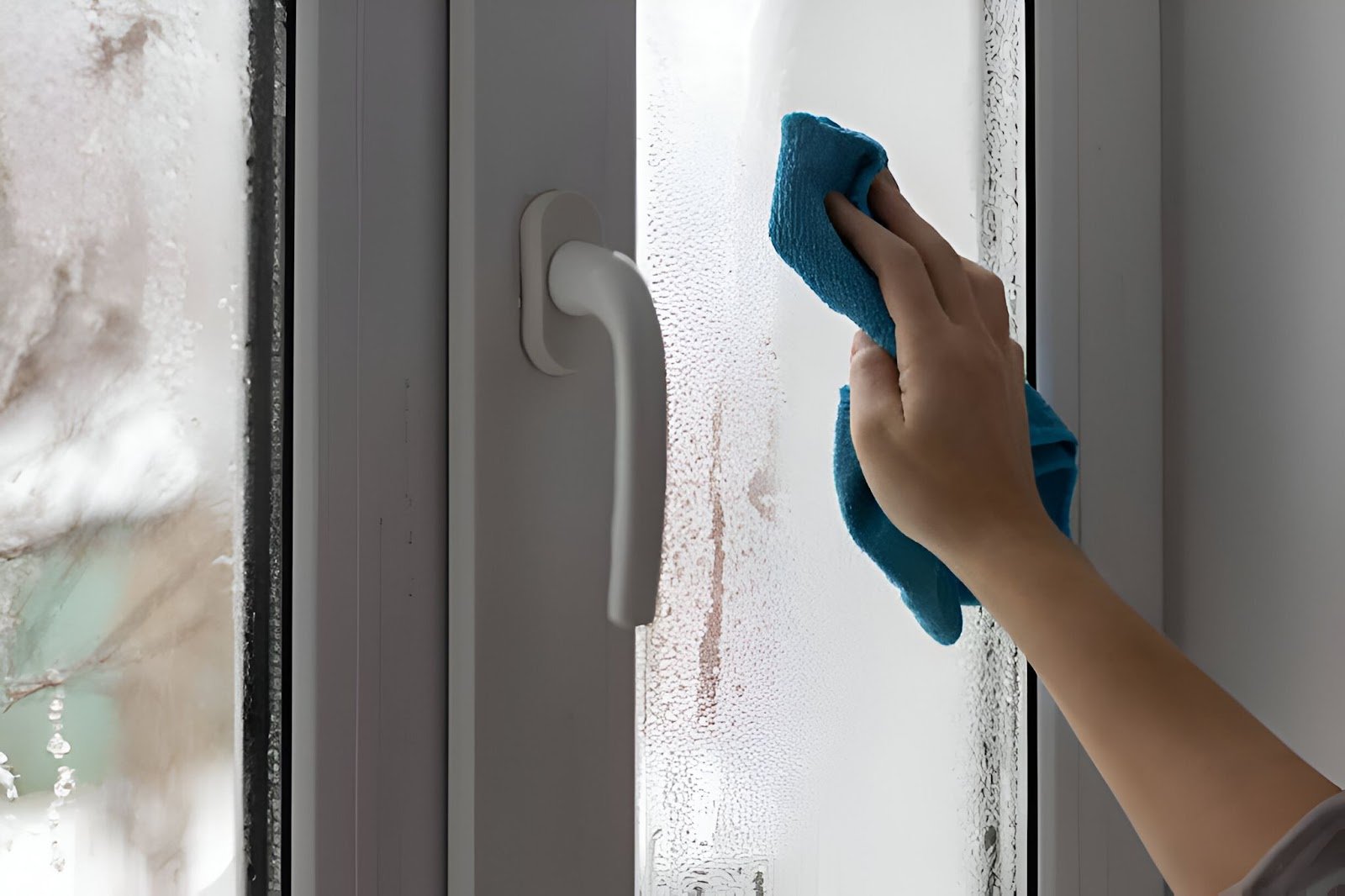
Condensation on or around your windows is a common issue, particularly in homes with high indoor humidity. Addressing this problem requires a combination of reducing humidity levels, improving ventilation, and taking preventive measures.
Reducing indoor humidity levels
To reduce indoor humidity, use a dehumidifier to remove excess moisture from the air. This is especially useful in high-humidity areas like the bathroom and kitchen. Additionally, maintaining a balance between indoor and outdoor temperatures can help prevent condensation. Avoid using humidifiers during the winter months and consider using exhaust fans to expel moist air.
Improving ventilation
Ensuring proper ventilation is crucial to preventing condensation. Opening doors and windows and using fans to circulate air can significantly reduce moisture buildup. In colder months, it’s important to ventilate the home without losing too much heat. Consider using trickle vents on windows to allow airflow without fully opening the windows.
Preventive measures
Taking steps to prevent or stop condensation and dampness can save you from dealing with mould issues later. Insulating windows and using double-glazed windows can help reduce temperature differences. Installing window coverings that allow airflow and avoiding heavy curtains can also prevent condensation. Regularly wiping down windows to remove moisture can keep condensation from becoming a larger issue.
Dealing with mould on windows
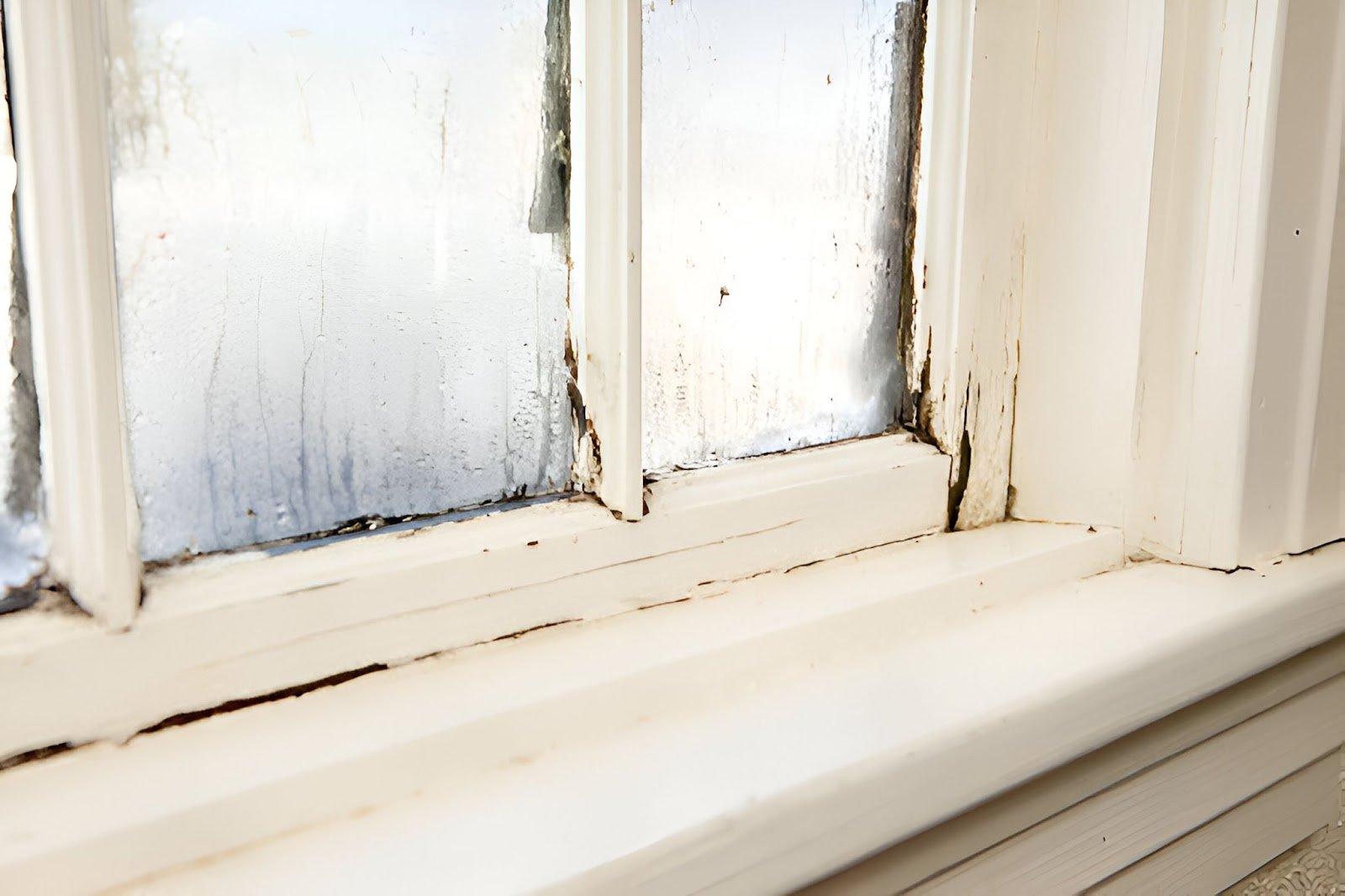
Mould on windows is often a result of prolonged condensation. It’s important to address this issue promptly to prevent health risks and damage to your home.
Identifying mould growth
Look for signs of mould growth around windows, such as black spots or discoloration. Mould often appears on the window sill, frames, and corners where condensation is most prevalent. Identifying mould early can help you take appropriate action before it spreads. With our thorough mould inspection, we can help you identify signs that your home has mould.
Mould removal techniques
To effectively remove mould from windows, use a solution of white vinegar and water. Spray the affected area and let it sit for a few minutes before scrubbing with a brush. For tougher mould, consider using a commercial mould removal product or a professional mould remediation service. Ensure you wear protective gear, such as gloves and a mask, to avoid inhaling mould spores.
Preventing mould regrowth
After removing mould, take steps to prevent its regrowth. Keep windows clean and dry, and regularly check for condensation. Improving ventilation and using a dehumidifier can help maintain low humidity levels. Consider applying a mould-resistant sealant on window frames to prevent future mould growth.
Effective mould removal strategies

Mould removal requires a combination of cleaning techniques and preventive measures. Here are some effective strategies for mould removal and prevention.
Regular cleaning
Regularly clean areas prone to mould growth, such as the bathroom and kitchen, to prevent mould from establishing itself. Use mould-resistant cleaning products and ensure surfaces are dry after cleaning. Pay special attention to windows and areas around windows, where condensation is likely to occur around the home.
Professional mould removal services
For severe mould infestations, consider hiring professional mould cleaning services. Our professionals have the expertise and equipment to safely and effectively remove mould, ensuring it doesn’t return. We can also identify underlying issues contributing to mould and mildew growth and recommend long-term solutions.
Maintaining low humidity levels
Maintaining low indoor humidity levels is key to preventing mould growth. Use a dehumidifier to control humidity, especially in high-moisture areas. Regularly check humidity levels with a hygrometer and keep them below 60%. Improving ventilation and ensuring proper airflow can also help maintain optimal humidity levels.
Conclusion
Condensation, mould on windows, and black mould are common issues that can affect the health and safety of your home. You’re not alone in this. Understanding the causes and implementing effective prevention and removal strategies is necessary to maintain a clean and healthy living environment. By reducing indoor humidity levels, improving ventilation, and taking preventive measures, you can prevent condensation and mould growth. Regular cleaning coupled with professional mould removal services can help you tackle existing mould problems and ensure they don’t return. Keep your home safe and healthy by addressing these issues promptly and effectively. For professional assistance, don’t hesitate to contact us for expert mould removal services.
FAQs
To prevent mould on your window sill, it’s essential to keep the area dry and clean. Regularly wipe down the window sill to remove any moisture that accumulates. If you have a wooden window sill, ensure it is properly sealed to prevent moisture from seeping in. Keeping your windows open when possible helps improve airflow and reduce humidity levels, which can prevent mould growth.
To effectively remove mould from windows, you can use a solution of white vinegar and water. Spray the solution on the affected area and let it sit for a few minutes. Then, scrub the affected area with a brush to remove the mould. Ensure you wear protective gear, such as gloves and a mask, to avoid inhaling mould spores. For persistent mould, there are commercial mould removal products available that can help.
To reduce condensation, there are several steps you can take. First, keep your windows open when the weather permits to allow air circulation. Use exhaust fans in high-moisture areas like the kitchen and bathroom to expel warm, moist air. A dehumidifier can also help by removing excess moisture from the air. Additionally, insulating your windows and using double-glazed windows can help reduce temperature differences and prevent condensation.
Preventing condensation around windows involves reducing indoor humidity and improving ventilation. Make sure to open windows and doors regularly to allow fresh air to circulate. Keep windows open when possible, especially after activities that produce moisture, such as cooking or showering. Insulating your windows and sealing any leaky windows can also help prevent condensation.
Condensation inside windows usually occurs when warm, moist air comes into contact with a cold surface, such as a window pane. This is common during the winter months when there is a significant temperature difference between the inside and outside of your home. High indoor humidity levels and poor ventilation can exacerbate the issue, leading to excess moisture buildup and condensation inside windows.
To prevent and remove mould near windows, it’s important to address both moisture and ventilation issues. Ensure that your windows are closed during rain to prevent moisture from entering your home. Regularly inspect for signs of water leaks and repair any leaky windows. Keep your windows open when possible to improve airflow and reduce humidity. To remove mould, use a vinegar and water solution, let it sit, and then scrub the affected area thoroughly.
Windows are prone to condensation because they are often the coldest surfaces in a room, making them ideal for moisture to condense on. This is especially true in the winter months when there is a greater temperature difference between the inside and outside. Excessive moisture in the air and poor ventilation can also contribute to condensation. Taking steps to reduce indoor humidity and improve ventilation can help prevent condensation on your windows.