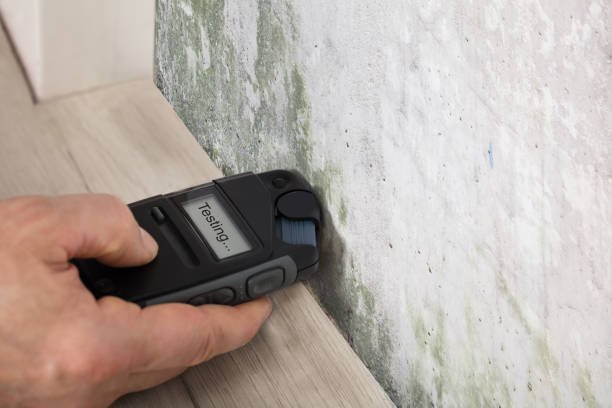
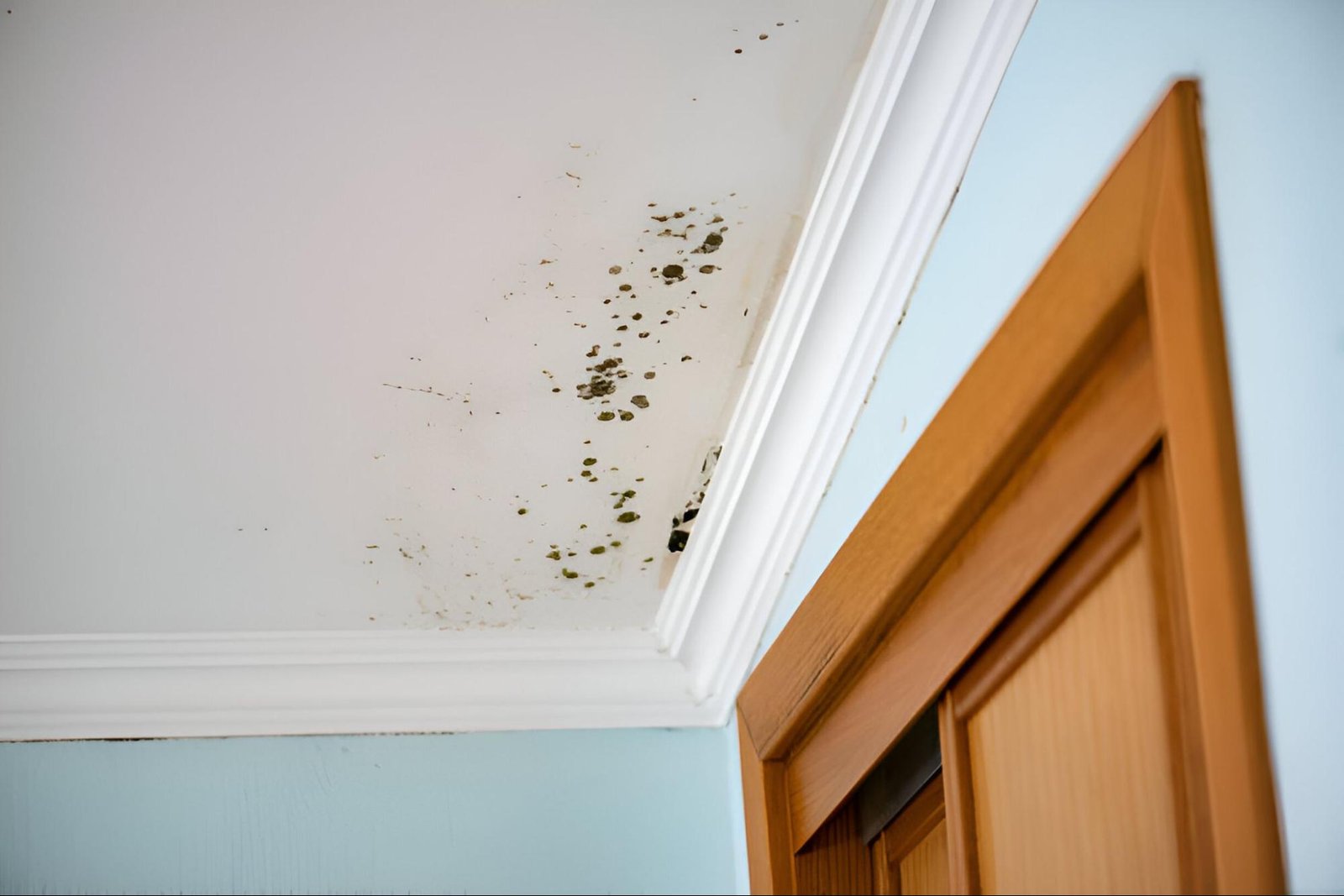
Mould growth on ceilings is a common problem in many homes, especially in areas with high humidity levels.
This fungus on your bathroom walls and ceiling is more than just an irritating stain—it can also cause serious health risks and serious damage to your home.
In this guide, we will explore the causes of mould on the ceiling, how to get rid of it, and ways to prevent it from returning.
Common causes of mould growth on ceilings
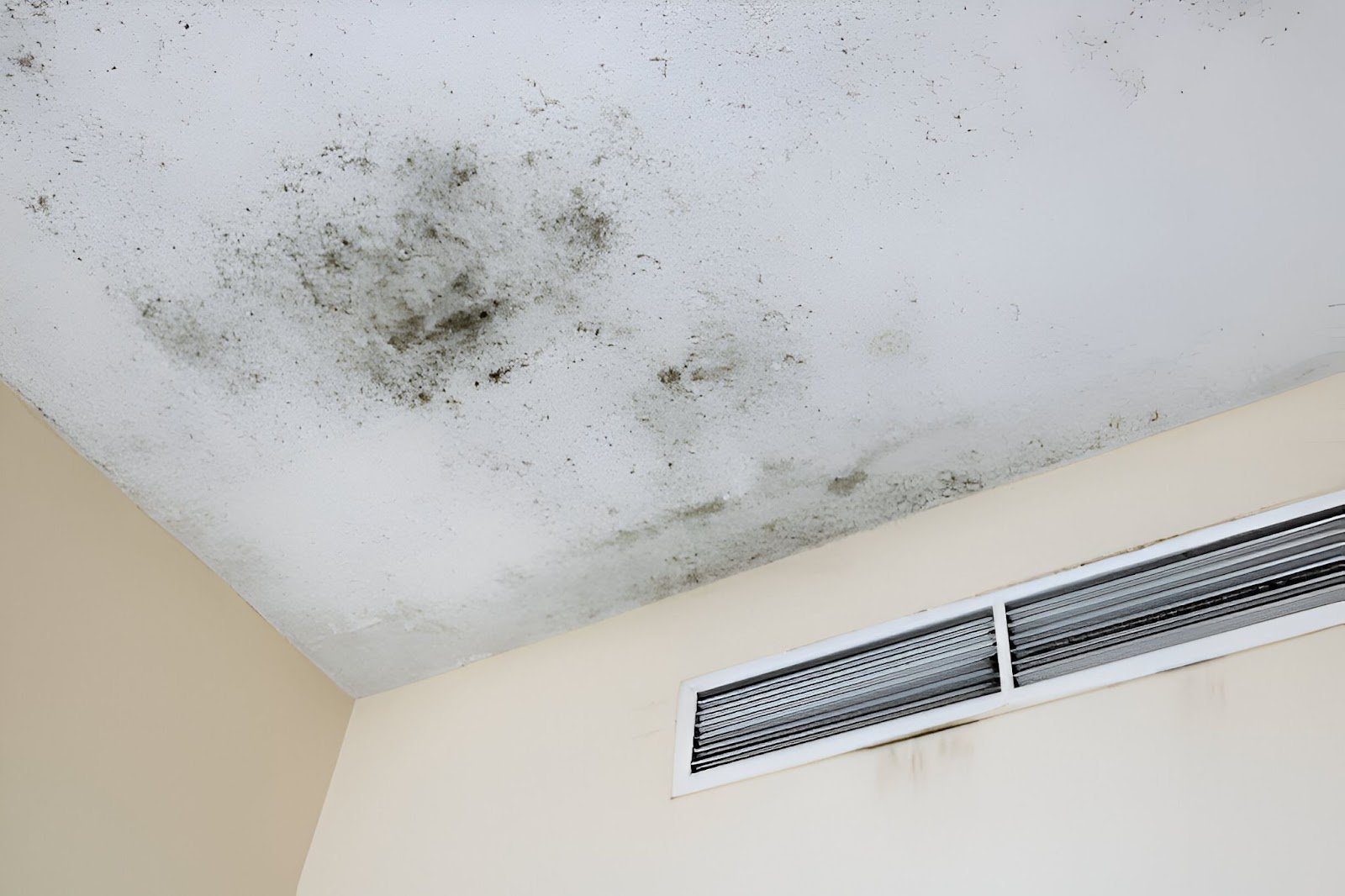
High humidity levels
A good amount of moisture is the first culprit. Mould needs moisture to grow, and high humidity levels in the home can create an ideal environment for mould spores to settle and multiply.
Poor ventilation
Poorly ventilated areas, such as bathrooms, are more susceptible to mould growth due to excess moisture buildup and a lack of air circulation.
Leaks
Plumbing or water leaks from pipes, roofs, or windows can lead to dampness in ceilings and walls, which also causes mould to grow.
Condensation
Condensation is the most common cause of mould in bathrooms. It occurs when the warm, moist air from showers and baths meets the colder bathroom ceiling, leading to the formation of water droplets that can encourage mould growth.
Poor natural light
Lack of adequate sunlight in your bedroom or bathroom is one of the reasons you find mould on your ceilings. Mould loves dark and poorly lit areas because the rays of the sun dry up the moisture it feeds on and UV rays penetrate its cell wall, thereby killing it and preventing it from growing on the ceiling.
Health risks associated with mould inside the home

Living in a home with mould can lead to various health issues, especially for individuals with respiratory problems or weakened immune systems. Black mould, in particular, can be hazardous to your health. If left untreated, here are some health risks mould can cause:
Respiratory problems
Mould releases spores, and these spores are invincible. Inhaling mould spores can cause respiratory problems, including coughing, sneezing, and irritation of the throat and lungs.
Allergic reactions
Mould exposure can trigger allergic reactions such as skin rashes, itchy eyes, and a runny nose.
Asthma attacks
Individuals with asthma may experience more frequent and severe asthma attacks when exposed to mould.
Infections
In some cases, mould can cause fungal infections, especially in individuals with weakened immune systems.
If you notice any mould issues, it is essential to remove the mould promptly to reduce the risk of health problems.
Preventing mould on ceilings

If you live in a rental apartment, or it’s your private home or property, these are the steps you should take to prevent mould from growing on your ceiling.
Use exhaust fans
Install and regularly use exhaust fans in your bathroom to reduce humidity levels and improve ventilation.
Fix leaks promptly
Address any leaks in your home, whether from pipes, roofs, or windows, as soon as they are detected to prevent moisture buildup.
Reduce humidity
Use a dehumidifier in areas prone to high levels of humidity to keep the levels in check. Aim for a relative humidity of 30-50%.
Improve insulation
Proper insulation can help prevent condensation on ceilings and walls by keeping surfaces warmer and reducing the likelihood of moisture buildup.
Regular cleaning
Keep your bathroom clean and dry by wiping down surfaces regularly and addressing any stains or moisture issues promptly.
How to get rid of mould on ceilings

Removing mould from ceilings requires a combination of cleaning, repairing any moisture issues, and taking steps to prevent future growth. Here is a step-by-step guide on how to remove mould from ceilings effectively.
Identify and fix the source of moisture
Before you start cleaning, it is necessary to address the source of moisture that is causing the mould growth. This may involve fixing leaks, improving ventilation, or using a dehumidifier to reduce humidity levels.
Prepare the area
Wear protective gear, such as gloves and a mask, to avoid inhaling mould spores. Cover the floor and any nearby surfaces with plastic sheeting to protect them from cleaning solutions and mould debris.
Clean the Mould
Use a mixture of water and bleach (1 part bleach to 10 parts water) to clean the mouldy area. Apply the solution with a sponge or cloth and scrub the affected area thoroughly. Be sure to ventilate the room well while cleaning.
Rinse and Dry
After scrubbing, rinse the area with clean water and dry it completely. Use a fan or a dehumidifier to speed up the drying process.
Prevent Future Growth
Apply mould-resistant paint to the cleaned area to help prevent future mould growth. Ensure that your bathroom is well-ventilated by using an exhaust fan or opening windows to reduce humidity levels.
Conclusion
Dealing with mould on your bathroom ceiling requires a combination of cleaning, repairing moisture issues, and taking preventive measures to ensure it does not return. In addition to using the right products, controlling humidity levels, ensuring well ventilated spaces, and promptly addressing any leaks that need replacing, or moisture problems, you can keep your bathroom ceiling mould-free.
If you encounter persistent mould problems or extensive mould growth, it is best to seek help from mould cleaning professionals who can provide thorough mould removal services and ensure your home remains safe and healthy.
At MouldPlus, we will inspect your property, stop any mould from growing, repaint if we need to, and ensure we permanently eliminate mould from your bathroom ceiling and walls, including your entire home or property.
Frequently Asked Questions
Condensation is the most common cause of mould on bathroom ceilings. When warm, moist air from showers and baths meets the cooler surface of the ceiling, it leads to condensation, which creates a perfect environment for mould to thrive.
To prevent mould in your bathroom, ensure proper ventilation by using exhaust fans or opening windows, reduce humidity levels by using a dehumidifier, and address any leaks or moisture issues promptly.
Yes, black mould can be hazardous to your health. It can cause respiratory problems, allergic reactions, and other health issues, especially for individuals with asthma or weakened immune systems.
You can remove small areas of mould yourself using a mixture of water and bleach. However, if the mould covers a large area or keeps returning, it is advisable to seek professional mould removal services.
Ceiling mould in your bathroom is often caused by condensation due to excess moisture. When warm, moist air from showers and baths meets the colder ceiling surface, it creates a perfect environment for mould to thrive. Areas of poor ventilation and high humidity levels in the home also contribute to mould growth.
To remove mould from your bathroom ceiling, you can use a mould killer. Start by fixing any moisture issues, such as leaks or poor ventilation. Clean the affected area with a mixture of water and bleach, scrub thoroughly, and dry completely. For persistent mould, you might require professional mould removal services.
Ceiling mould can cause permanent damage to your home and pose serious health risks. Mould is a type of fungus that can lead to respiratory problems, allergic reactions, and infections. It can also affect the structural integrity of your home if left untreated.
Mould appears on ceilings due to the presence of moisture and poor ventilation. High levels of moisture, whether from condensation, leaks, or high relative humidity in the home, create an environment where mould can grow. Areas of poor air circulation, like bathrooms and poorly ventilated rooms, are more prone to mould growth.
To prevent mould on your bedroom ceiling, maintain proper ventilation and control humidity levels. Use exhaust fans, open windows, and consider a dehumidifier to reduce moisture. Check for and fix any leaks promptly, and use anti-mould paints to prevent future growth. Regularly inspect window frames and other areas where moisture can accumulate.
Yes, ceiling mould can cause permanent damage to your home if not addressed. Mould growth can weaken the structural integrity of your home and lead to the biodegradation of building materials. Persistent moisture issues can result in mildew, stains, and even permanent damage to your home’s structure.