The importance of maintaining a clean and efficient air conditioning system for your overall family health cannot be overemphasised. Beyond health concerns, mould in air conditioners can significantly impact your overall home comfort and cleanliness. The presence of mould can lead to unpleasant odours, making your living space feel less inviting.
Additionally, mould spores can settle on surfaces throughout your home, requiring more frequent cleaning and potentially staining fabrics or other materials; the more reasons you need to keep your air conditioners free from mould.
This comprehensive guide will walk you through the process of identifying, removing, and preventing mould in your air conditioning unit, ensuring a fresh and healthy home environment.
What are the signs of mould in your air conditioner?
Recognising the signs of mould in your air conditioner is the first step towards addressing this issue. Being aware of these indicators can help you take prompt action and prevent the problem from escalating.
Visible mould growth on or around the unit
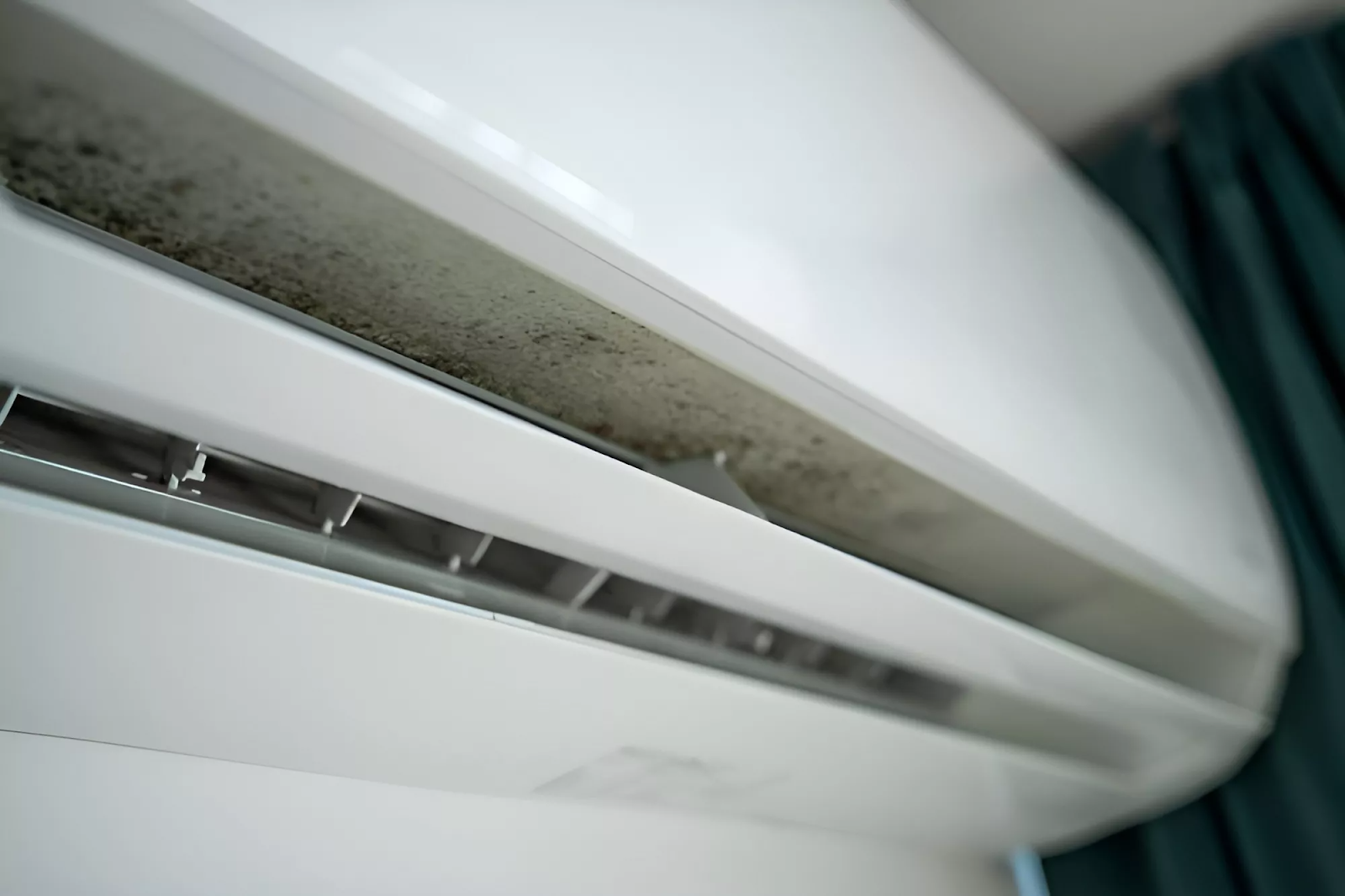
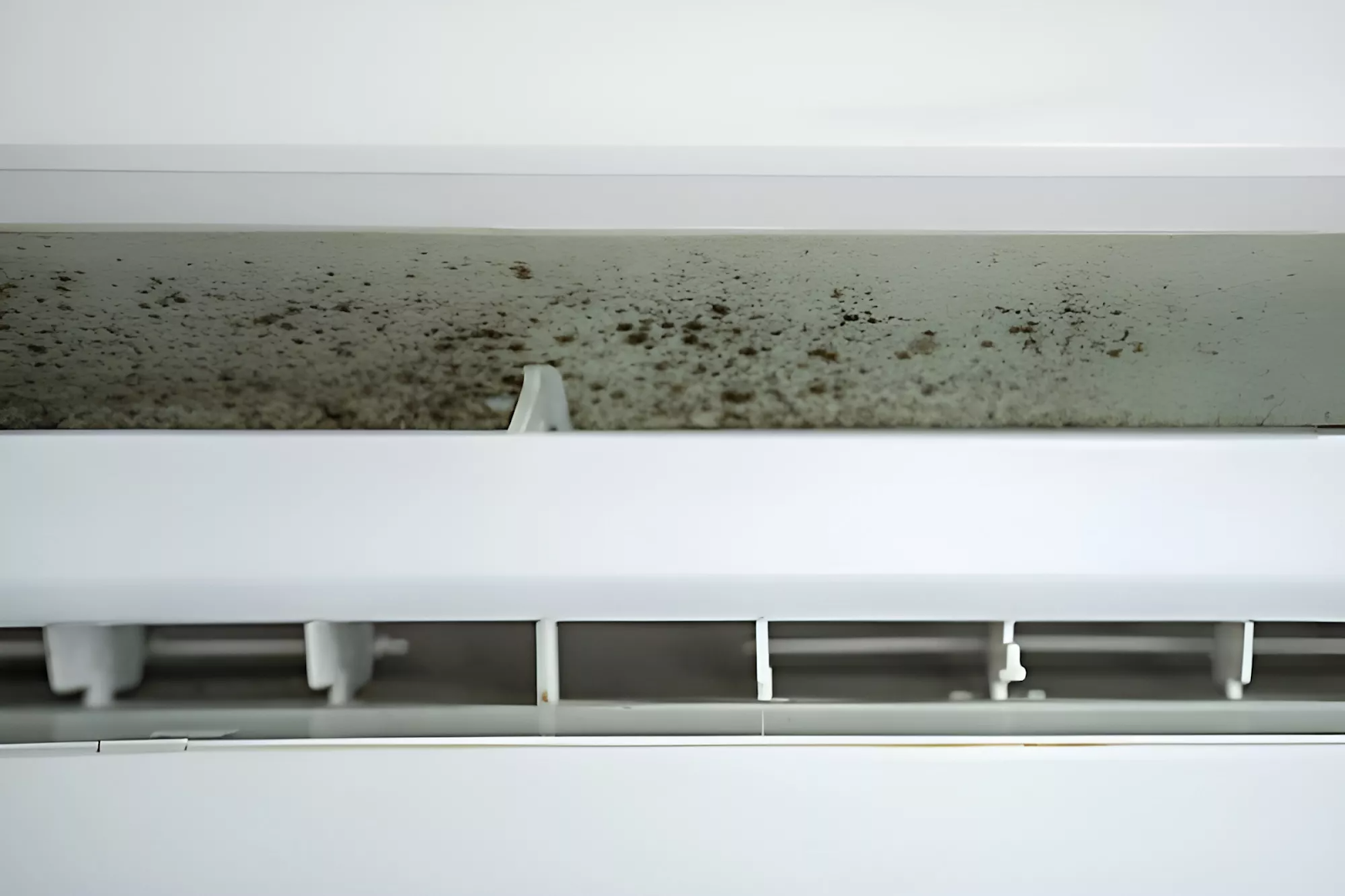
One of the most obvious signs of a mouldy air conditioner is visible mould growth on or around the unit. This can appear as dark spots, patches, or fuzzy growths on the air conditioner’s surfaces, vents, or within the unit itself. If you notice any discoloration or unusual textures when inspecting your AC unit, it’s likely that mould has begun to grow.
Musty odours coming from the air conditioning
An age-long sign of mould in your air conditioner is a persistent musty smell emanating from the vents when the system is running. This musty odour is caused by mould spores being circulated through the air ducts and into your living space. If you notice a damp, earthy, or unpleasant smell coming from your AC, it’s time to investigate further and address the potential mould problem.
Unexplained respiratory issues or allergies
Mould in air conditioners can have a significant impact on indoor air quality and, consequently, your health. If you or your family members experience unexplained respiratory issues, allergic reactions, or worsening of existing allergies when the air conditioning is running, it could be a sign of mould growth within the system. These symptoms may include coughing, sneezing, wheezing, or irritation of the eyes, nose, and throat.
Why does mould grow in air conditioning units?
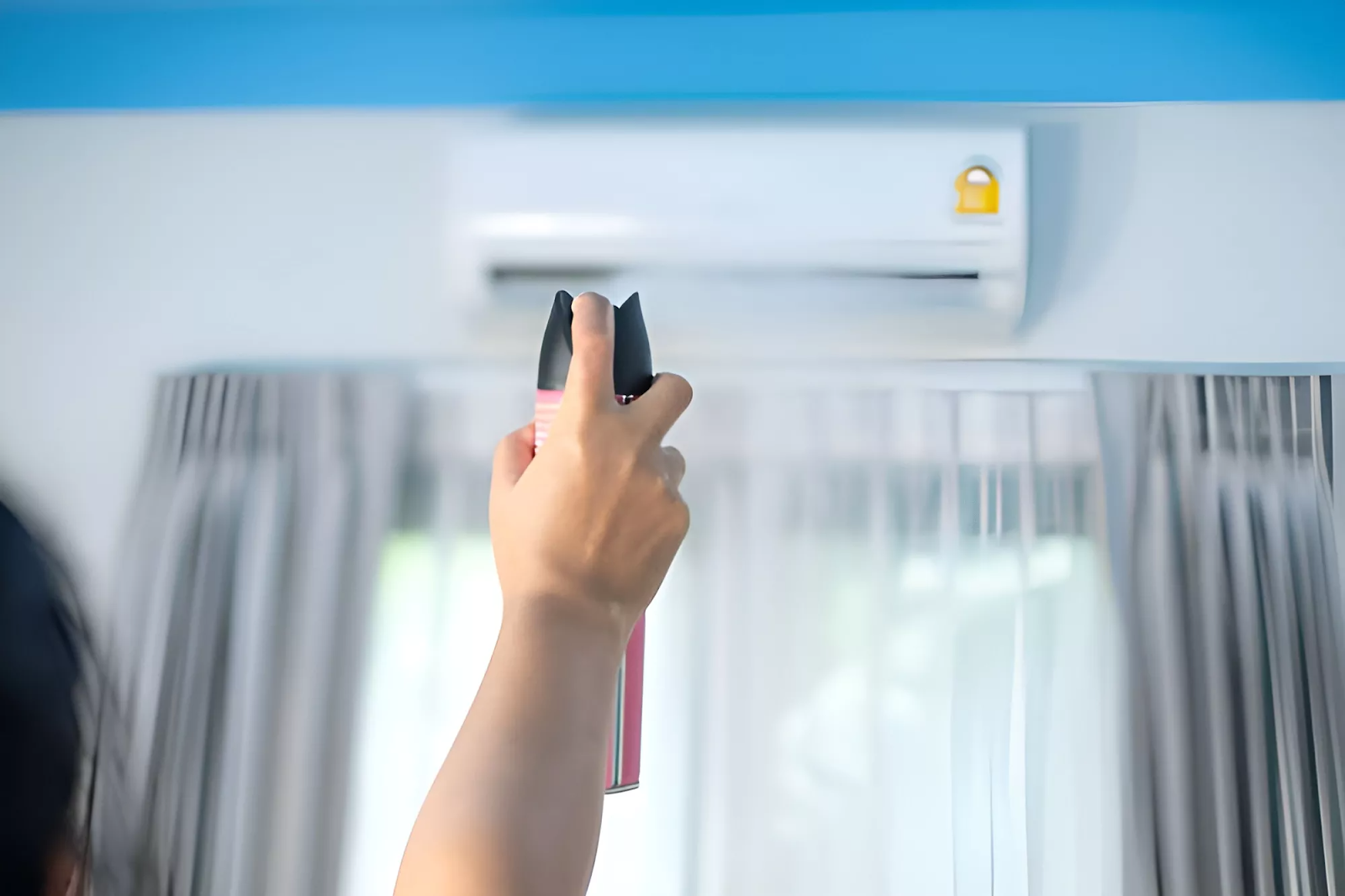
Understanding the conditions that promote mould growth in air conditioners is necessary for effective prevention and removal. Several factors contribute to the development of mould in AC systems:
High humidity and moisture levels
Air conditioning units are designed to remove moisture from the air, but when humidity levels are exceptionally high, excess moisture can accumulate within the system. This creates an ideal environment for mould to survive. Condensation on coils and other components can lead to water droplets forming, providing the perfect conditions for mould growth.
Poor ventilation and air circulation
Inadequate ventilation and air circulation can contribute to mould growth in air conditioning systems. When air doesn’t flow freely through the unit and ducts, stagnant pockets of moist air can form, creating an environment conducive to mould development. Regular maintenance, including cleaning or replacing air filters and ensuring proper airflow, is essential to prevent these conditions from occurring.
Accumulation of dust and organic matter
Over time, dust, pollen, and other organic matter can accumulate within your air conditioning unit. This buildup provides a food source for mould spores, allowing them to grow and spread. Regular cleaning of your AC system, including the air filter, coils, and other components, is crucial to remove this organic matter and prevent mould growth.
How to check for mould in your AC unit?
Regularly inspecting your air conditioner for signs of mould is an important part of maintenance. Here are some methods to check for mould in your AC unit:
Visual inspection of accessible components
For smaller mould infestations, a DIY approach can work effectively. Start by wearing protective gear like gloves, eye protection, and a face mask to avoid direct contact with mould spores. Mix a solution of one part bleach to three parts water in a spray bottle and use it to spray the affected areas of your bathroom ceiling. After letting the solution sit for a few minutes, scrub the mouldy surface with a sponge or scrub brush to safely remove the mould. Be sure to wipe down the surface afterwards with warm water and ensure the ceiling dries completely.
Using a flashlight to examine dark areas
Mould often grows in dark, hidden areas of your AC unit. Use a flashlight to illuminate these hard-to-see spaces, such as inside the ductwork or behind removable panels. Look for any unusual discoloration or growth that may suggest mould presence. Be thorough in your inspection, as mould can start in small, isolated areas before spreading to other parts of the system.
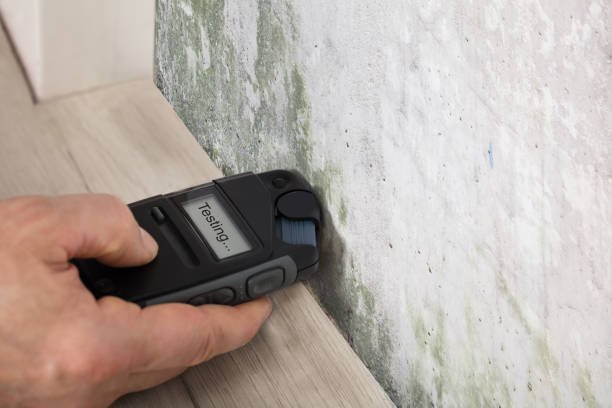
Professional assessment and testing
If you’re unsure about the presence of mould or if you have concerns about extensive contamination, it’s advisable to seek a professional assessment. Our specialists at MouldPlus can conduct a thorough inspection of your air conditioning system, including areas that may not be easily accessible to homeowners. We also conduct professional mould removal services to treat and control mould around your living areas.
Steps to take to remove mould from your air conditioner?
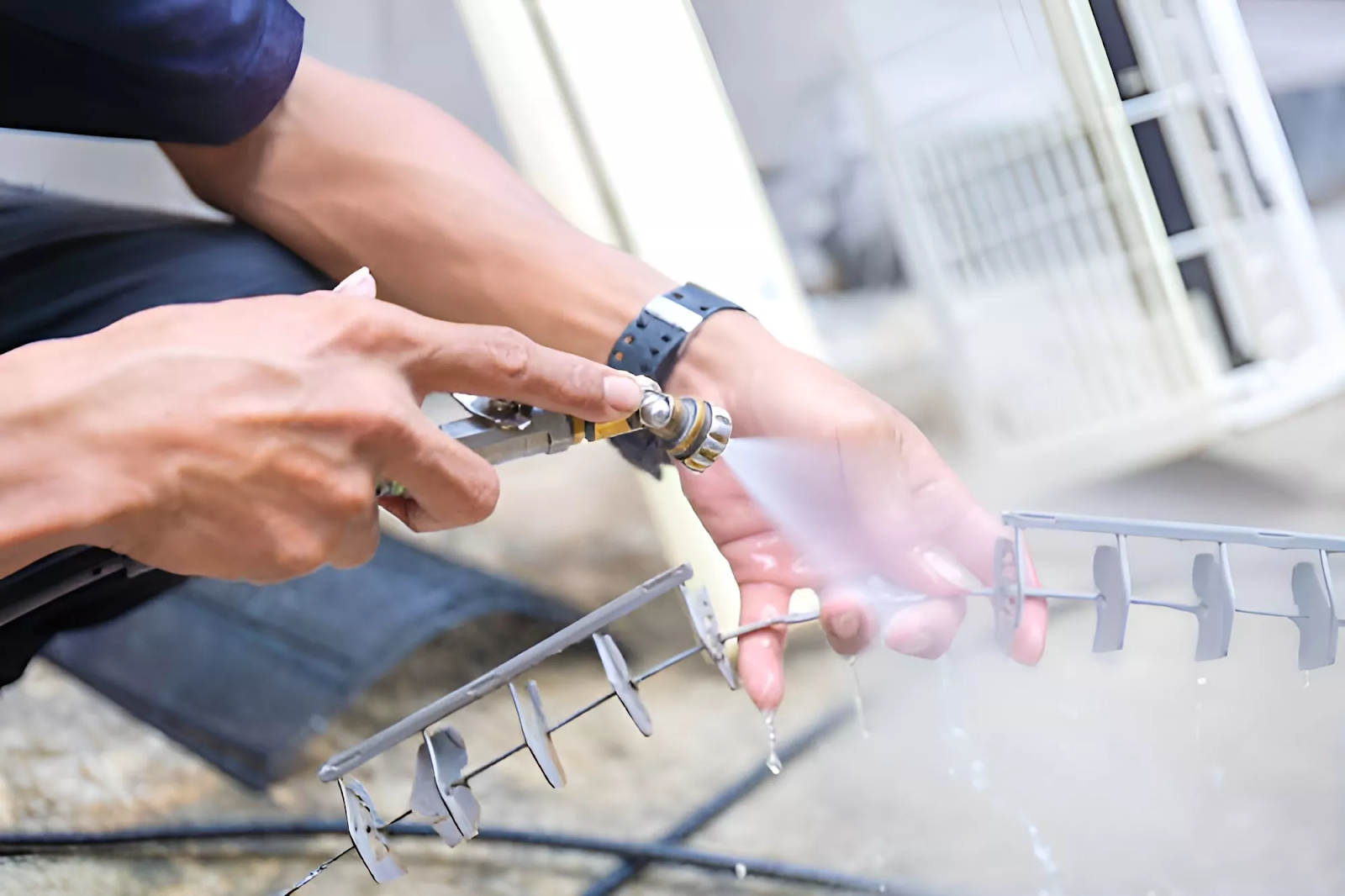
Once you’ve identified mould in your air conditioner, it is important to take swift action to remove it. Follow these steps for effective mould removal:
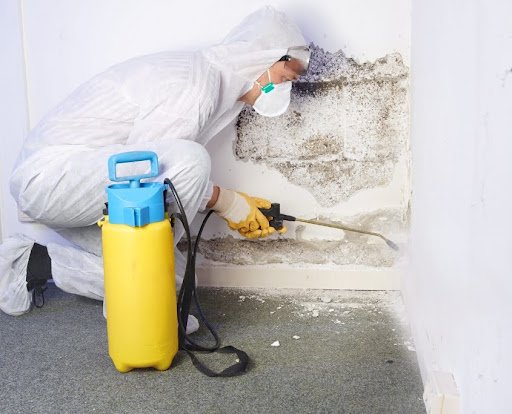
Safety precautions before starting the cleaning process
Before you begin cleaning mould from your air conditioner, it is important to prioritise safety first. Wear protective gear such as gloves, a face mask, and eye protection to avoid direct contact with mould spores. Ensure proper ventilation in the area where you’ll be working by opening windows or using fans. If you have any respiratory issues or allergies, consider hiring a professional for mould removal to minimise health risks.
Cleaning accessible parts with appropriate solutions
For accessible parts of your air conditioning unit, start by using a vacuum cleaner with a HEPA filter to remove loose mould spores and debris. Then, prepare a cleaning solution using either a commercial mould remover or a mixture of water and mild detergent. Use a soft brush or cloth to gently scrub affected areas, paying close attention to vents, grilles, and the outer casing of the unit. Rinse thoroughly with clean water and dry completely to prevent further mould growth.
Addressing hard-to-reach areas and components
Cleaning hard-to-reach areas and internal components of your air conditioner may require more specialised techniques. For coils and other sensitive parts, use a coil cleaner specifically designed for air conditioners. Follow the manufacturer’s instructions carefully to avoid damaging the unit. If mould is present in the ductwork, consider hiring our professionals to thoroughly remove contamination and ensure proper air quality throughout your home.
How can I prevent mould growth in my air conditioning system?
Preventing mould growth in your air conditioner is key to maintaining a healthy indoor environment.
Implement these strategies to keep mould at bay:
Regular maintenance and cleaning schedule
Establish a regular maintenance and cleaning schedule for your air conditioning system. This should include monthly air filter changes, cleaning of accessible components, and an annual professional inspection. Regular maintenance helps prevent the buildup of dust and organic matter that can fuel mould growth. Additionally, keeping your AC unit clean and well-maintained ensures optimal performance and energy efficiency.
Controlling humidity levels in your home
Maintaining proper humidity levels in your home is essential for preventing mould growth in your air conditioner. Use a dehumidifier in areas prone to high moisture, such as basements or bathrooms. Ensure that your air conditioning system is properly sized for your space to effectively remove moisture from the air.
Using mould-resistant filters and materials
Invest in high-quality, mould-resistant air filters for your air conditioning unit. These filters are designed to trap mould spores and prevent them from circulating through your home.
Conclusion
Addressing mould in your air conditioner is important for maintaining a healthy and comfortable home. By following this guide, you can effectively identify, remove, and prevent mould growth in your AC system. Remember to prioritise regular maintenance, control humidity levels, and seek professional help from MouldPlus specialists. With proper care and attention, you can ensure that your air conditioner continues to provide clean, fresh air for years to come.
Don’t let mould compromise your air quality or your family’s well-being. Our expert mould removal services will eliminate mould from your air conditioning system and prevent it from coming back.
Ensure your home stays fresh and healthy with MouldPlus! Contact us today and take the first step towards a mould-free home.
FAQs
To clean mould from your air conditioner, start by turning off the power and wearing protective gear. Remove the filters and wash them with a commercial air conditioner cleaner or a mild detergent solution. Use a brush or soft cloth to scrub any visible mould on the unit’s exterior and interior. Clean the coils and any hard-to-reach areas with a special coil cleaner. Once you’ve removed the mould, ensure everything is completely dry before turning the unit back on.
A mouldy air conditioner often presents visible signs like dark spots or fuzzy patches around your air vents or inside the unit. You might notice a persistent musty smell coming from your air conditioner when it’s running or even experience respiratory issues or allergies due to mould exposure. If you notice any of these, it’s time to inspect your AC for mould.
If you notice extensive growth in your AC unit or find that mould is recurring despite regular cleaning, professional mould removal is the best solution. Our professionals have specialised tools to clean the interior of the unit effectively, ensuring airborne mould spores are completely eliminated. This service is particularly important if you or any members of your family suffer from allergies or respiratory issues, as DIY removal can release harmful spores.
Mould loves growing in air conditioners because they provide ideal conditions for mould growth: moisture and organic matter. The moisture inside the unit from condensation and humidity, combined with dust and dirt, creates the perfect environment for mould to thrive. Regular cleaning and maintenance can help prevent this from happening.
To prevent mould from growing in your AC unit, make sure to perform regular cleaning and maintenance. Wash the filters every month, make a cleaning solution to wipe down parts of the AC, and keep the coils free of dust. Controlling indoor humidity levels with a dehumidifier can also prevent moisture buildup, which helps reduce mould growth.
To check for mould in your air conditioner, start by performing a visual inspection. Look for dark spots or mould patches around your air vents or inside the unit. If you notice a musty smell, it’s another indication of mould growing inside. If you’re unsure, you may want to call in an expert for professional testing to confirm the presence of mould.
Mould in your home from air conditioners can cause a range of health issues, especially for those with allergies or asthma. Airborne mould spores spread throughout your home, leading to respiratory issues like coughing, sneezing, or wheezing. Long-term exposure can aggravate pre-existing conditions or even cause new respiratory problems. It’s important to remove the mould as soon as it’s detected to maintain clean air and a healthy environment.