Homeowners are increasingly recognising the importance of maintaining a safe and healthy living environment, particularly when it comes to mould problems. With the region’s humid climate, mould growth can become a significant concern, leading to potential health risks from mould exposure and structural damage to properties. That’s why our mould inspection service is essential for those searching for “mould inspection near me.” Our professional mould removal specialists are equipped with advanced tools and extensive experience to identify various types of mould, including the notorious black mould, ensuring that any mould contamination is addressed promptly and effectively.
When you book your mould inspection, our qualified team conducts a thorough inspection of your property, looking for visible mould, signs of water damage, and humidity issues that could contribute to mould growth in hidden areas. We provide a comprehensive report detailing our findings, including recommendations for mould remediation and mould cleaning strategies tailored to your specific situation. By choosing our services, you take the first step toward a mould-free home, allowing you to enjoy peace of mind knowing that your living space is safe from harmful mould spores. Contact us today to schedule your inspection and let us help you stop mould in its tracks!
How to Book Your Mould Inspection in Brisbane?
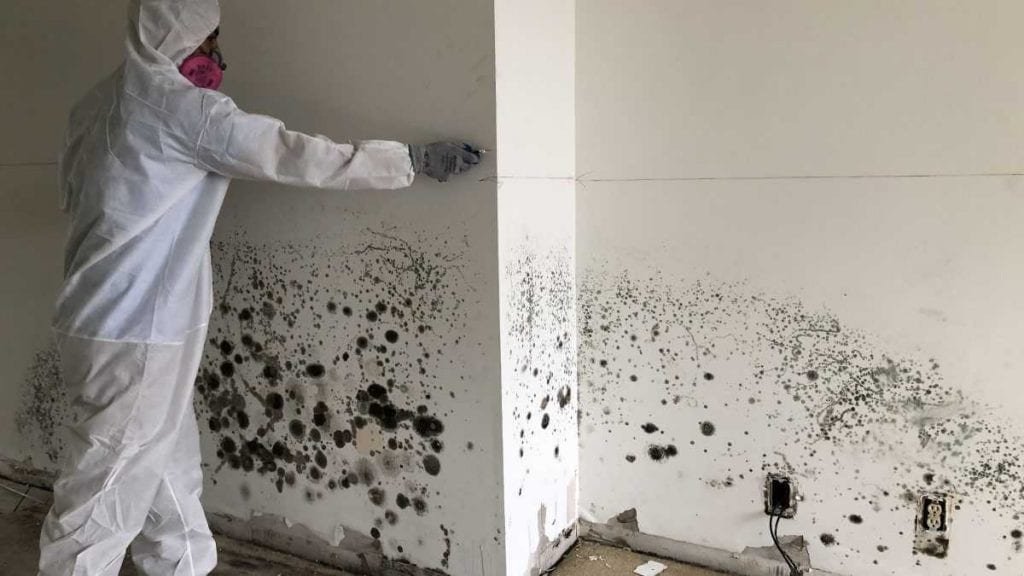
Booking your mould inspection is a straightforward process. First, you need to contact us via our website or phone number to express your interest in the inspection. Our team will guide you through the process and schedule an appointment at your convenience. During this initial contact, you may be asked a few questions about your property, including its age, any previous water damage, and whether you have noticed any signs of mould. Once your appointment is confirmed, our qualified mould specialists will visit your property to perform the mould inspection.
When booking your mould inspection, it’s helpful to provide detailed information about your property. This includes the type of dwelling (house, apartment, etc.), its age, and any known history of water damage or mould problems. Mentioning specific areas of concern will also aid the specialists in their inspection. Providing details about any visible mould or signs of mould contamination can help the inspection team prepare and focus on potential problem areas. The more information you provide, the more comprehensive the mould inspection process will be.
If you suspect mould in your home or want to ensure a safe living environment, don’t hesitate to contact us. Our mould removal specialists are ready to assist you with a mould inspection and provide you with the necessary guidance for effective mould remediation. You can reach out through our website or phone number to book your inspection today. Taking this proactive step can save you from future headaches related to mould growth.
What is Involved in a Professional Mould Test?
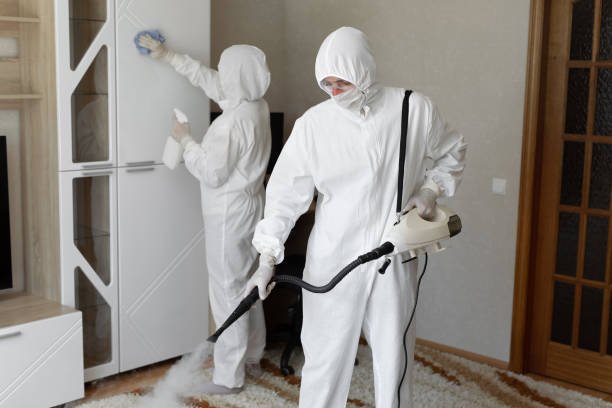
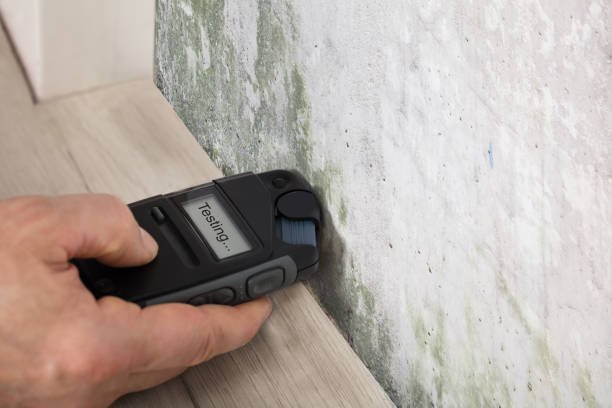
Professional mould testing encompasses various types of mould tests, each designed to assess different aspects of mould contamination. Common tests include air sampling, which measures the concentration of mould spores in the air, and surface sampling, which involves collecting samples from visible mould patches. Additionally, bulk sampling may be used to test materials suspected of harbouring mould. Each type of mould test provides valuable information regarding the level of mould contamination and the specific mould species present in your home.
How Mould Tests Identify Mould Spores
Mould tests are critical in identifying mould spores that may be airborne or settled on surfaces within your property. Airborne mould testing involves using a pump to capture air samples, which are then analysed in a laboratory to determine the concentration of mould spores. This process helps identify the types of mould present and assesses the risk associated with exposure. Surface sampling, on the other hand, involves swabbing or tape lifting areas suspected of mould growth to collect samples. Both methods contribute to a comprehensive understanding of the mould situation in your home.
The Importance of Mould Testing in Remediation
Mould testing plays a vital role in the mould remediation process. By identifying the specific types of mould and their concentration levels, remediation specialists can tailor their approach to effectively remove the mould. A detailed mould assessment ensures that the treatment strategy addresses the root cause of the mould growth, preventing future issues. Moreover, mould testing provides crucial documentation, including a causation report, that can be essential for insurance claims or property transactions, further emphasising the importance of professional mould testing.
Common Mould Problems and Their Solutions
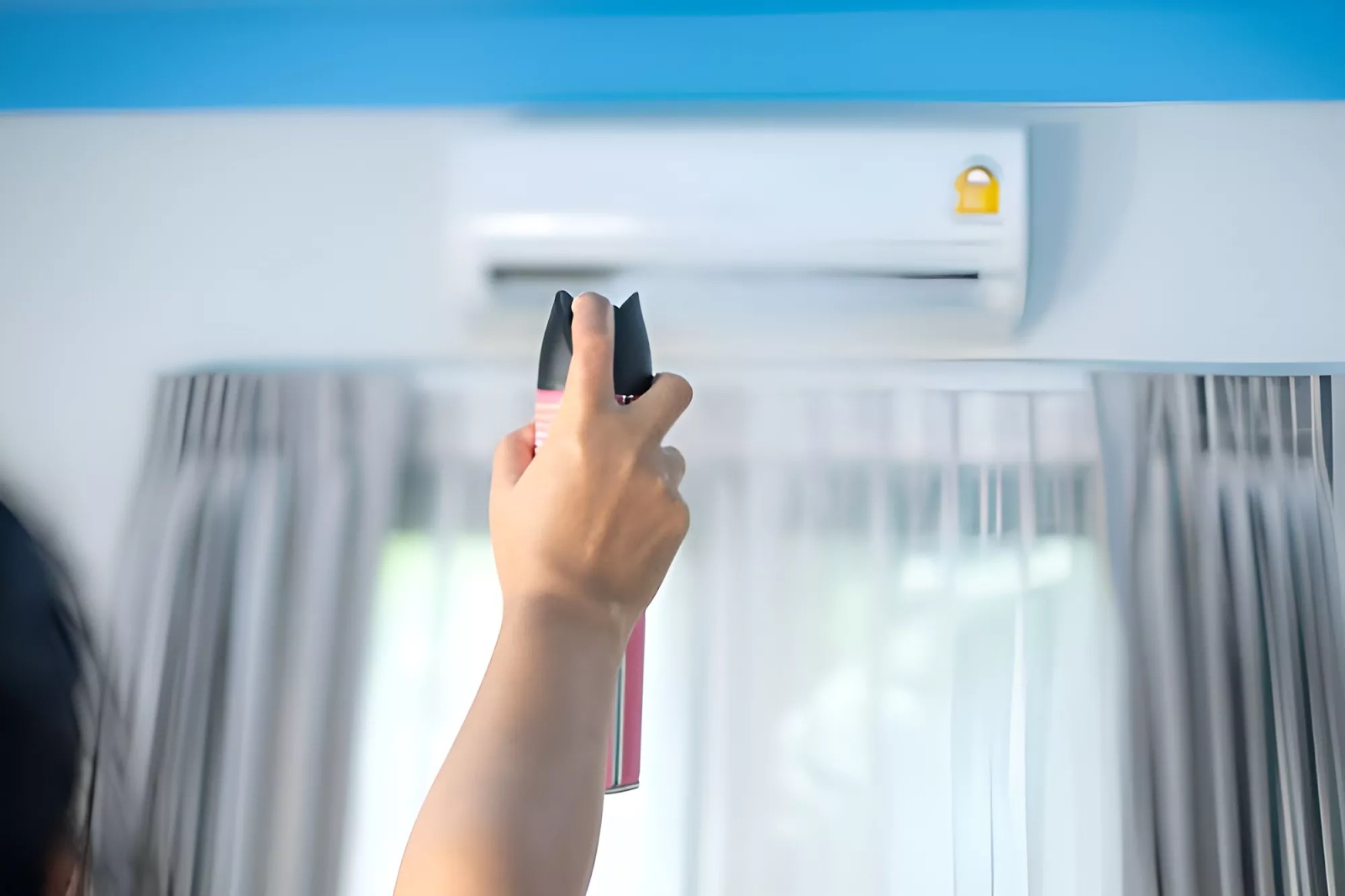
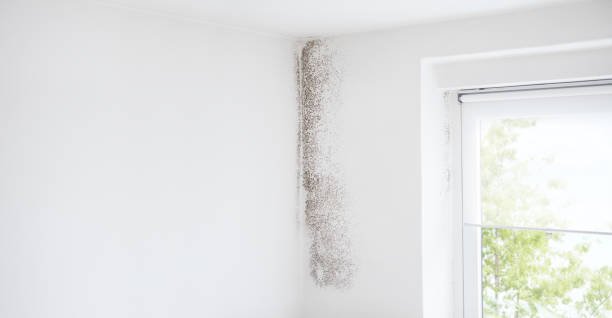
There are various types of mould that can infest homes, each with unique characteristics. Common types include black mould, which is notorious for its health risks, and basic mould species that may not be as harmful. Identifying the specific type of mould is crucial in determining the appropriate mould treatment and remediation strategies. Our qualified mould specialists are trained to identify different mould species through visual inspection and mould testing, ensuring effective solutions are implemented.
How Water Damage Contributes to Mould Growth
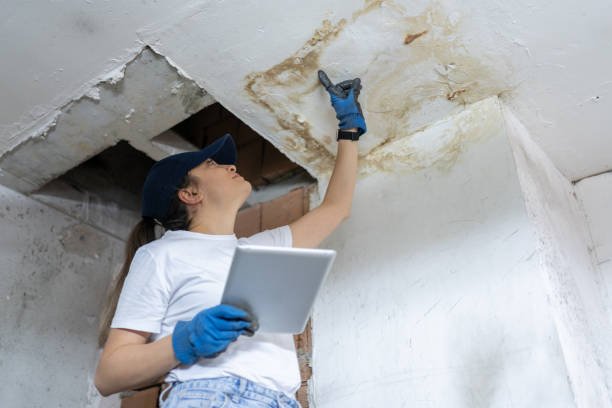
Water damage is one of the primary contributors to mould growth in residential properties. When water infiltrates walls, ceilings, or flooring, it creates a damp environment conducive to mould development. High humidity levels and condensation can also exacerbate the situation, leading to rapid mould proliferation. Addressing water damage promptly and ensuring proper ventilation are essential to prevent mould growth. Our mould removal specialists can assess the extent of water damage during your mould inspection and recommend effective remediation strategies.
Effective Mould Remediation Strategies
Effective mould remediation involves a combination of mould removal techniques and preventative measures. After identifying the source of mould growth, specialists employ various mould cleaning methods to remove the mould safely. This may include using professional mould removal products and techniques tailored to the specific mould species identified. Furthermore, it’s crucial to implement strategies to prevent future mould growth, such as improving ventilation, reducing humidity levels, and promptly addressing any water damage. A comprehensive approach to mould remediation ensures long-term safety and health for you and your family.
How to Eliminate Mould After Inspection and Testing?

Once mould has been identified and tested, effective mould removal techniques must be implemented to eliminate the contamination. Professional mould removal specialists utilise a range of mould cleaning products designed to target and remove mould spores from surfaces. These products are often more effective than standard cleaning solutions and are essential in ensuring that all traces of mould are eradicated. Techniques such as HEPA vacuuming, wet wiping, and encapsulation may be employed to ensure thorough mould removal and prevent recurrence.
Importance of Professional Mould Cleaning
While DIY mould removal may seem tempting, professional mould cleaning is crucial for several reasons. Mould can pose serious health risks, especially when disturbed, releasing airborne mould spores into the environment. Professional mould removal specialists possess the expertise and equipment necessary to safely remove mould without causing further contamination. They also follow industry standards for mould remediation, ensuring that the process is conducted effectively and safely. By opting for professional mould removal in Brisbane, you can have peace of mind knowing that the mould problem is being handled by qualified experts.
Preventing Future Mould Growth through Proper Ventilation
One of the most effective strategies for preventing future mould growth is ensuring proper ventilation throughout your home. Adequate airflow helps reduce humidity levels, which are conducive to mould proliferation. Installing exhaust fans in bathrooms and kitchens, using dehumidifiers in damp areas, and ensuring that air vents are unobstructed can significantly mitigate the risk of mould growth. Our mould removal specialists can provide recommendations on improving ventilation during your mould inspection, ensuring a healthier living environment for you and your family.
Conclusion
Ensuring a mould-free environment is essential for the health and safety of your home. With our mould inspection services, we specialise in identifying and addressing mould problems effectively. Our professional mould removal specialists utilise advanced equipment to conduct a thorough examination, looking for signs of mould growth, including visible mould and hidden mould contamination. We provide a detailed findings report that includes a causation report, helping you understand the cause of the mould and the necessary steps for effective mould remediation. By booking your inspection today, you can take the first step towards eliminating any potential risks associated with mould exposure, ensuring your home remains safe and healthy.
If you’re searching for “mould inspection near me,” look no further. Our qualified team is dedicated to providing comprehensive mould testing, including mould sampling and visual inspections, to identify various mould species that may be affecting your indoor air quality. Whether it’s dealing with common types like black mould or other airborne spores, we are here to help you treat and remove the mould effectively. Don’t let humidity, water damage, or condensation lead to further issues—contact us today to schedule your mould inspection and take control of your home’s health. We are committed to ensuring that your property is free of mould and that you are happy with the results of our thorough inspection process.
FAQs
A mould inspection typically involves a thorough assessment of your property by trusted mould experts. They check for mould growth in hidden areas, inspect for signs of moisture, and conduct a detailed mould test to determine the type and extent of the mould present.
To stop mould in its tracks, it’s essential to treat the mould immediately using effective mould removal techniques. This may involve hiring a mould removal company that specialises in mould management to ensure that the mould is safely removed and does not return.
If you see mould or have a musty smell in your home, you may need a mould test for mould. Additionally, if you experience health issues related to mould exposure, it’s crucial to contact us today for a professional inspection and report.
.
Common types of mould include black mould, surface mould, and other indoor mould varieties. Each type can have different health impacts, which is why a detailed mould inspection and testing is crucial.
It’s recommended to book a mould inspection at least once a year or after any significant water damage or flooding. Regular inspections can help catch mould growth early and prevent larger issues.
Mould removal specialists should have experience in mould management, certifications in environmental health, and a proven track record in effective mould removal techniques. Always check the credentials before hiring a mould removal team.
The duration of the mould removal process can vary depending on the extent of the mould growth and the size of the affected area. A typical mould removal job can take anywhere from a few hours to several days, especially if extensive work is needed to ensure that the mould is completely eradicated.
Yes, mould growth can be prevented after removal by addressing moisture issues, improving ventilation, and regularly inspecting for signs of mould. Implementing good indoor mould management practices is key to maintaining a mould-free environment.