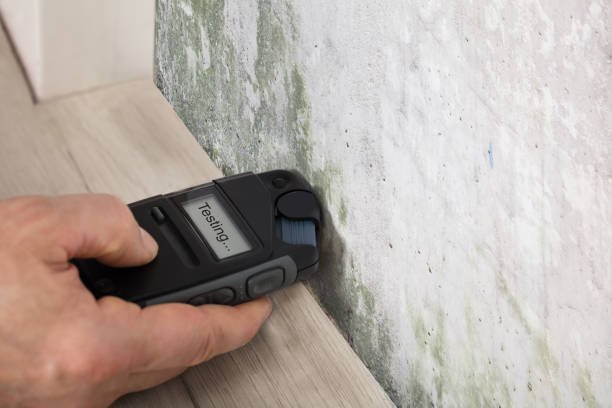
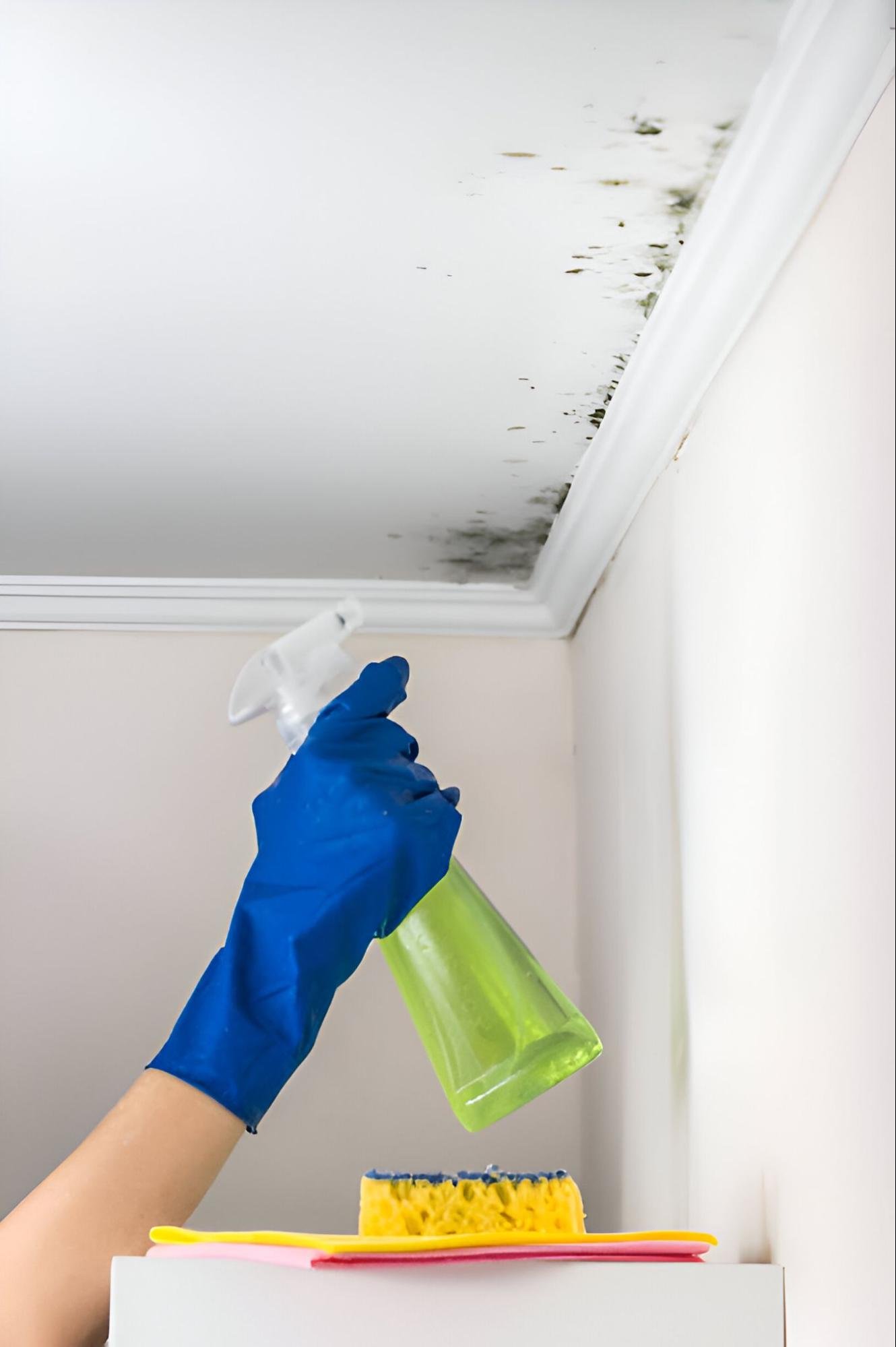
Moulds are virtually everywhere. This is because they are required to break down organic matter found in plant debris, which is required for the proper functioning of the ecosystem. But when they get into your home, it becomes a problem.
Mould is a common household problem, especially when present on walls and ceilings. Mould on the ceiling can be persistent, and this ugly stain affects the aesthetics and health of your home.
Mould on ceilings often appears as black spots or discoloured patches, and it can spread quickly if not addressed.
Getting to know how to identify the mould in your home, the causes of ceiling mould and how to remove them is the required step in effectively dealing with it, and this article provides just that! Read on!
Identifying mould on your ceiling
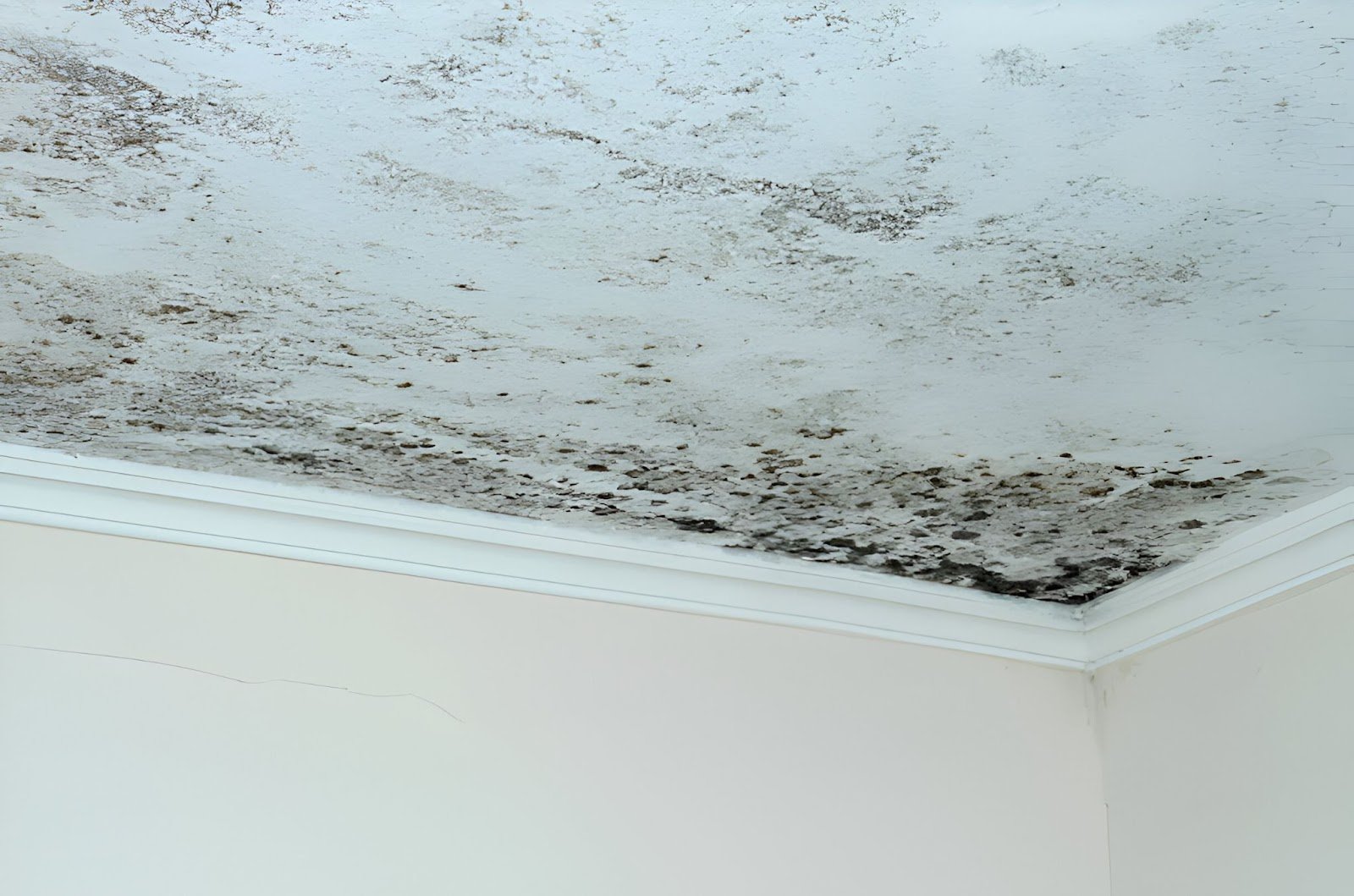
Identifying mould on your ceiling is mandatory for timely mould removal. Look for black spots, discoloration, or a musty odour, which are common signs of mould presence. Ceiling mould often starts small but can quickly spread, so it’s essential to address it as soon as you notice it. Checking for signs of mould regularly can help you catch the problem early and take appropriate action to get rid of it.
Causes of mould on ceilings
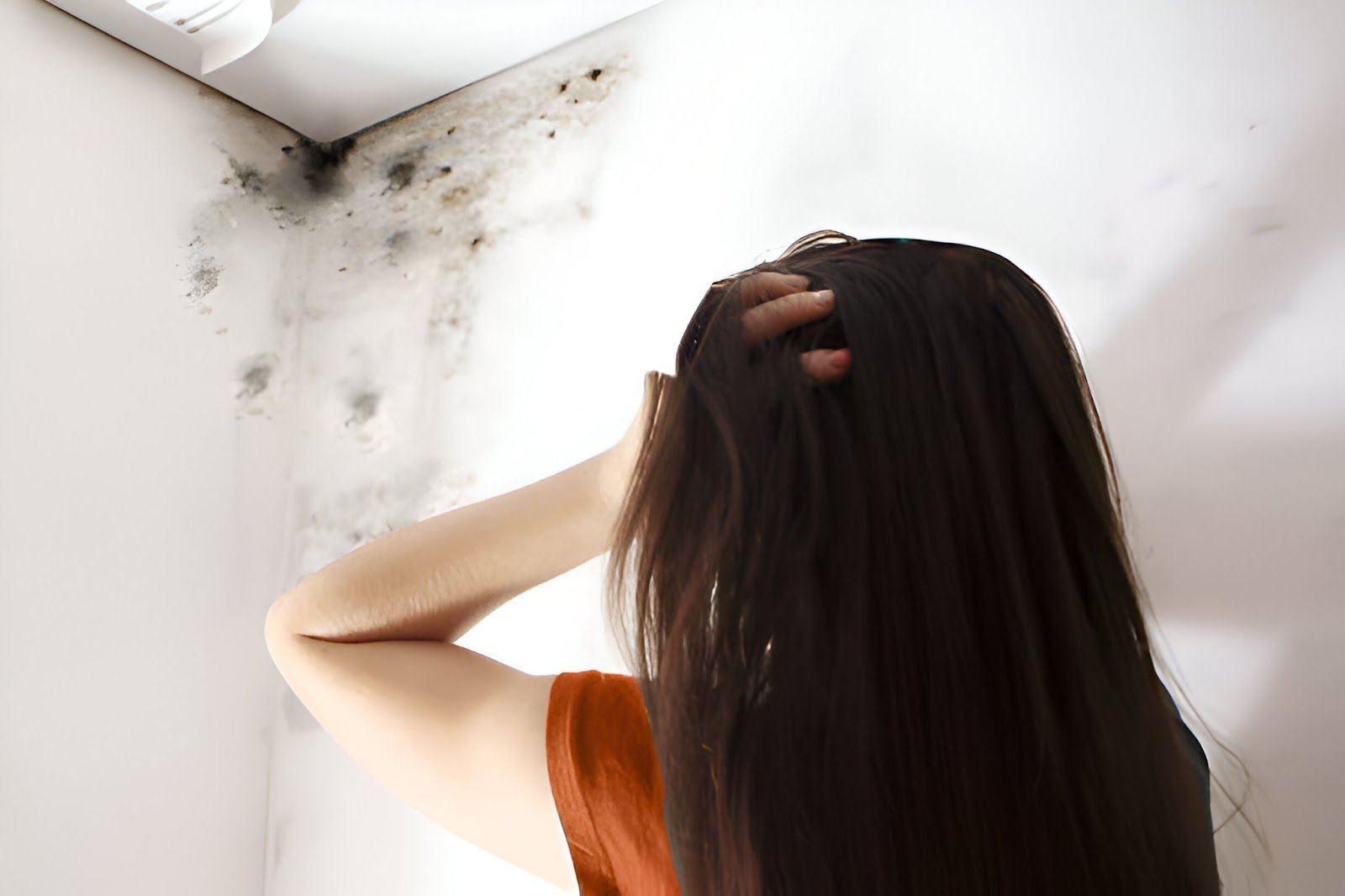
Mould growth on ceilings is primarily caused by excess moisture and poor ventilation. When moisture in the air condenses on ceiling surfaces, it creates an ideal environment for mould spores to thrive. This is particularly common in areas like the bathroom and kitchen, where steam from showers and cooking can increase humidity levels. Additionally, a poorly ventilated attic or crawl space can contribute to moisture buildup, leading to mould growth on the ceiling.
High humidity levels, leaks, and inadequate ventilation are the main culprits behind mould growth on ceilings. Leaks from the roof or plumbing can introduce moisture to ceiling surfaces, while high indoor humidity provides the perfect conditions for mould spores to grow. Ensuring proper ventilation in your home, particularly in moisture-prone areas, helps to prevent mould growth and maintain a healthy indoor environment.
How to get rid of mould from your ceiling
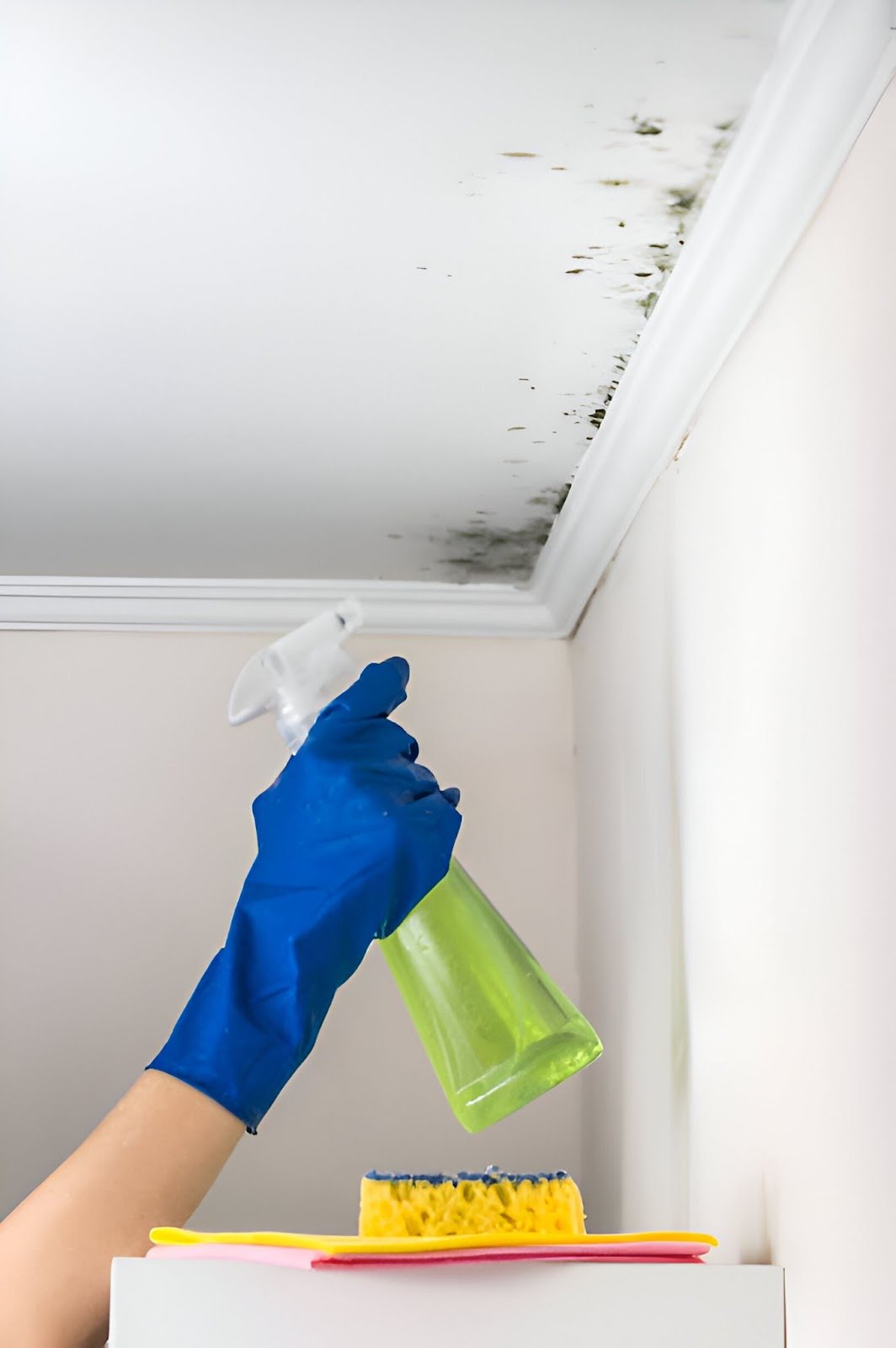
Removing mould from your ceiling requires a systematic approach to ensure complete eradication and prevent future growth. Here are effective methods to remove mould from ceilings, using common household items and mould removal products.
Using a cleaning solution to remove mould
One of the simplest ways to remove mould from ceilings is by using a cleaning solution. An example of such a solution is cleaning vinegar. Vinegar can be used to get rid of mould. To make a solution, mix equal parts of white vinegar and water in a spray bottle. Spray the solution generously on the affected area and let it sit for an hour. Vinegar is effective in killing mould spores, helping to remove the mould, and helping to prevent future mould growth. After an hour, scrub the mouldy area with a brush and wipe it clean with a damp cloth.
Another effective cleaning solution involves mixing baking soda and water to form a paste. Apply the paste to the mouldy ceiling using a sponge or brush. Let it sit for 10-15 minutes, then scrub the area thoroughly. Baking soda not only helps to remove mould but also deodorises the area, getting rid of the musty smell associated with mould.
Preventing mould growth on ceilings

Preventing future mould growth on ceilings is essential to maintaining a healthy home environment. Ensure proper ventilation in moisture-prone areas by using exhaust fans in bathrooms and kitchens. Ventilate your home regularly by opening windows and doors to allow fresh air to circulate. If your home is particularly humid, consider using a dehumidifier to reduce moisture levels in the air.
Regularly inspect your roof and plumbing for leaks, and repair any issues promptly to prevent water damage and mould growth. Applying mould-resistant paint to your ceilings can also help prevent mould spores from taking hold and spreading. Maintaining a clean and dry environment is key to preventing mould on ceilings and ensuring the long-term health of your home.
When to call the professionals
While DIY methods can be effective for small mould problems, larger infestations or persistent mould issues often require professional mould removal services. Moreso, when there is a large amount of mould in your bathroom ceiling or anywhere else, it is advisable to get rid of the mould as soon as possible. The best way to do so is with the help of a professional. Professional mould removal experts have the tools and expertise to thoroughly eliminate mould and address the underlying causes of mould growth.
If you have a significant mould problem in your home, such as widespread mould on ceilings and walls, it’s best to call MouldPlus.
If you’ve been trying to get rid of ceiling mould but you keep seeing extensive black mould, mould that returns despite repeated cleaning, and mould that causes respiratory problems or other health issues, then you need us. Our professionals will conduct a thorough mould remediation process to ensure all mould is removed and prevent future infestations.
Benefits of professional mould removal services
Professional mould removal services offer several benefits. They can identify the root cause of the mould problem and provide long-term solutions to prevent a recurrence. Our professionals use specialised equipment and mould-killing products that are more effective than household cleaners. Additionally, we will conduct air quality tests to ensure your home is free from mould spores and safe for your family.
Keep your ceiling mould free
Mould can cause persistent and hazardous problem, but with the right approach, you can effectively clean mould and prevent it from returning. Taking note of the causes of mould aforementioned, using effective cleaning solutions, and ensuring proper ventilation are key steps in maintaining a mould-free ceiling.
If after all these and you still experience severe or persistent mould problems, then our expert and reliable mould removal services is what you need to protect your home and health.
Moulds left untreated can escalate into a lot of problems that can cause permanent damage to your home. Prevent this by taking the right step now. Contact us today for an inspection coupled with a quote that will fine tune the atmosphere of your home pleasant for you and your family.
FAQs
To get rid of mould effectively, start by identifying the areas where mould is growing. Use a cleaning solution and wipe the affected areas thoroughly. You may have to repeat the process if the mould persists. It’s also crucial to ensure that your home is well ventilated to prevent mould from returning. Using an extractor fan in areas prone to moisture can help reduce dampness and mould growth.
To remove mould from a ceiling, first ensure the area is well ventilated. Apply a mould killer or a solution of white vinegar and water to the affected area. Let it sit for an hour before scrubbing the surface mould with a brush. Wipe clean with a damp cloth. For stubborn mould, you may need to repeat this process.
The best way to remove mould from ceiling surfaces is to use a mould cleaning solution like white vinegar and water. Spray the solution on the mouldy area, let it sit, then scrub and wipe clean. Ensuring the area is well ventilated and addressing any moisture issues are essential steps to prevent the growth of mould from returning.
To kill mould in your home, use an effective mould cleaning product. Apply it to the mouldy areas and let it sit before scrubbing. It’s important to fix any moisture issues causing the mould, such as leaks or high humidity. Using an extractor in bathrooms and kitchens can help reduce moisture levels.
To get rid of mould in the bathroom, ensure the area is well ventilated. Use an extractor fan to reduce moisture and clean the mouldy areas with a solution and wipe method. Regularly check for any leaks or moisture build-up, and use mould-resistant paint to prevent future mould growth.
To remove mould from the shower area, use a mould cleaning solution like white vinegar and water. Apply it to the affected areas, let it sit, then scrub and wipe clean. Ensuring proper ventilation by using a fan or keeping the bathroom well ventilated will help prevent mould from returning.
To get rid of ceiling mould, first ensure the area is well ventilated. Apply a mould killer to the affected area and let it sit. Scrub the area with a brush and wipe clean. It’s essential to address any moisture issues to prevent mould from returning. Regular mould cleaning and using an extractor fan can help keep the area mould-free.
To prevent mould from growing on ceilings, maintain a well-ventilated home and use an extractor fan in moisture-prone areas. Fix any leaks or sources of moisture. Regularly clean potential problem areas and consider using mould-resistant paint. Addressing dampness and mould quickly is key to preventing the growth of mould on ceilings.