
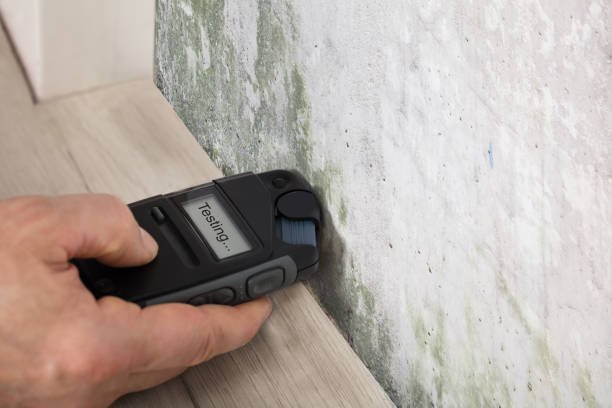
Mould is a common household problem that can have serious implications for both property and health.
Without delay, in this article, we will go over the intricacies of mould, mould test methods, inspection processes, and effective mould removal strategies to help you tackle this pervasive issue.
What is mould and why is it a problem?
What is it?
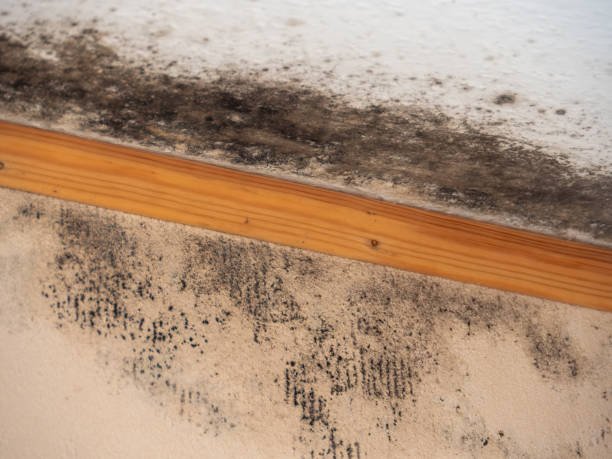
Mould is a type of fungus that derives joy in damp, humid environments. It can grow on various surfaces, including walls, ceilings, and floors, causing significant damage over time. The presence of mould spores in the air can lead to respiratory issues and other health problems, making mould detection and mould remediation essential for a safe home.
Common signs of mould
Identifying the presence of mould early can prevent extensive damage and health risks. Common signs of mould include a musty odour, visible mould growth, discoloured patches on walls or ceilings, bubbling paint, and poor indoor air quality. If you see mould, it’s necessary to take immediate action to prevent further spread.
Health risks associated with mould exposure
Mould exposure can lead to various health issues, especially for individuals with allergies, asthma, or weakened immune systems. Respiratory problems, skin irritation, and allergic reactions are common symptoms of mould exposure. It’s essential to conduct a thorough mould inspection and remediation to mitigate these risks.
The importance of mould testing and inspection
Why you should test for mould
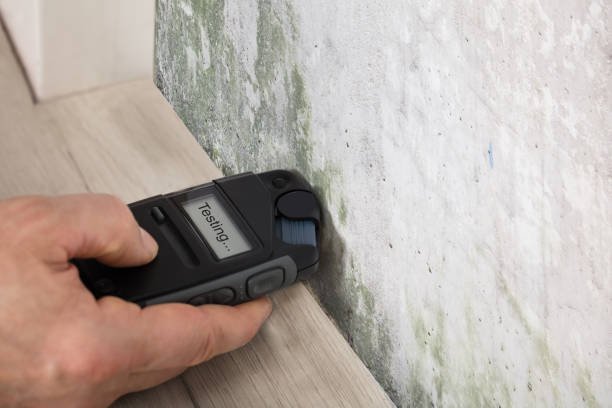
Mould testing is a key step in identifying the extent and type of mould infestation in your home. Different types of mould require different remediation approaches, making it vital to determine the specific species of mould present.
Types of mould tests
There are several methods to test for mould, including air samples, surface samples, and bulk samples. Air samples help detect mould spores present in the air, while surface samples identify mould growing on surfaces. Bulk samples involve collecting pieces of material from suspected mould-infested areas for lab analysis.
Conducting a mould inspection
A comprehensive mould inspection involves a detailed assessment of your home to identify potential mould growth areas. Our professional inspectors use advanced tools and techniques to detect hidden mould and moisture sources, ensuring a thorough inspection process.
Steps to conduct a mould test
Once you call us to analyse the mould in your home, here are the steps we will take:
Preparing for the test
Before conducting a mould test, it’s important that we understand the scope of the inspection. We will identify areas with visible mould or signs of water damage, as these are likely sources of mould growth. We will also ensure proper ventilation during the testing process to avoid the spread of mould spores.
Collecting mould samples
Thereafter, we will collect mould samples. Collecting these samples is an important part of the mould inspection process. Samples are taken from both the air and surfaces to determine the presence and concentration of mould spores. Surface samples are collected using swabs or tape lifts, while air samples require specialised equipment to capture airborne spores.
Analysing the Results
After collecting the samples, they are sent to a lab for analysis. The lab results provide detailed information on the types of mould present and their concentration levels. This data is essential for developing an effective mould remediation plan tailored to your specific mould problem.
Effective mould remediation strategies
DIY vs. Professional mould remediation
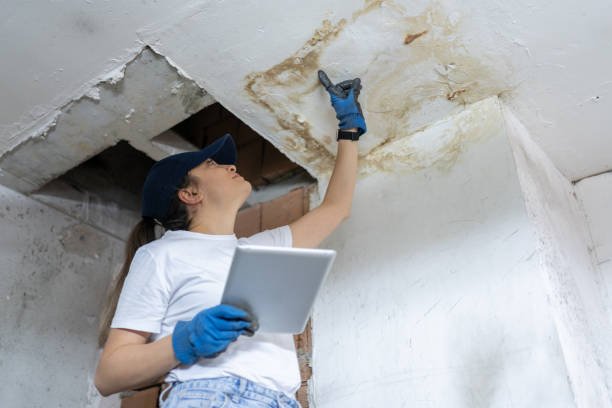
While some minor mould issues can be handled with DIY mould testing kits and cleaning solutions, extensive mould infestations require professional remediation services. Our qualified mould remediation specialists have the expertise and equipment to safely remove mould and prevent future growth.
Overview of our mould remediation process
Our mould remediation process typically involves several steps, including containment, removal, and cleaning. Containment prevents the spread of mould spores to unaffected areas, while removal involves physically eliminating mould from surfaces. Cleaning and disinfecting the affected areas ensures that any remaining mould spores are eradicated. You can find out more about our remediation process on our website.
Preventing future mould growth
Preventing future mould growth requires addressing the underlying causes of mould development. Proper ventilation, controlling humidity levels, and promptly repairing water damage are essential measures to keep mould at bay. Regular mould inspections and maintenance can help identify and mitigate potential mould issues before they become serious problems.
Mould sampling services and reports
Understanding mould sampling services
Professional mould sampling services offer comprehensive mould testing and analysis. These services provide detailed mould inspection reports that outline the findings and recommendations for remediation. Mould sampling services are essential for accurately identifying the extent of mould contamination and developing an effective remediation plan.
Importance of mould inspection reports
Mould inspection reports are crucial documents that provide a thorough analysis of the mould problem in your home. These reports include information on the types of mould present, their concentration levels, and the areas affected. They also offer recommendations for remediation and preventive measures to avoid future mould growth.
Choosing a reliable mould inspection service
When selecting a mould inspection service, it’s important to choose a qualified and experienced provider. Look for companies with a proven track record in mould detection and remediation. Ensure that the technicians are certified and use advanced mould testing methods for accurate results.
Taking Action Against Mould
Mould can have serious consequences for both your home and your health if left unchecked. Conducting regular mould inspections, using reliable mould testing services, and implementing effective mould remediation strategies are essential steps in maintaining a mould-free environment. If you suspect a mould problem in your home, please do not hesitate to contact us for professional mould inspection and remediation services. Our team of experts is here to help you ensure a safe and healthy living space. Get in touch with us today to schedule a comprehensive mould inspection and take the first step towards a mould-free home.
FAQs
Mould testing is the process of sampling and analysing air or surface samples to determine the presence and concentration of mould in a particular area. It is important to identify the presence of mould early on to prevent potential health risks and property damage.
You can detect mould in your property through visible signs such as black mould spots, a musty odour, or water stains. If you suspect mould but it’s not visible, professional mould inspection and testing services can help identify the source of the mould.
Mould inspection typically includes a thorough assessment of the property to identify areas where mould is present or likely to grow. It may involve moisture inspections, air or surface sampling, and visual inspections to determine the extent of the mould issue.
Mould treatment involves addressing the source of the mould growth, typically through moisture control, proper ventilation, and remediation techniques. Professional mould removal services may include cleaning contaminated areas, applying anti-fungal solutions, and ensuring proper disposal of affected materials.
It is advisable to contact a mould removal expert as soon as you suspect mould growth in your property. Prompt action can help prevent the spread of mould and minimise the need for extensive remediation efforts.
The costs of mould testing can vary depending on the size of the property, the number of samples required, and the methods used for testing. It is recommended to contact mould testing professionals for a quote based on your specific needs.
Yes, mould testing may include air sampling to detect airborne mould spores. This type of testing can help determine the overall mould concentration in the indoor environment and assess the potential health risks associated with mould exposure.
Visible mould is easily noticeable on surfaces, while hidden or invisible mould is not present on surfaces like walls, under flooring, or in other concealed areas. Professional mould testing and inspection services can help identify hidden mould that is not visible to the naked eye.