One of the nightmares any home owner can experience is mould growth.
Even though mould is an integral part of the world’s ecosystem in the sense that it breaks down organic matter, produces edible food, and can be used to make furniture, building materials, clothing, and even shoes.
But they become problematic when they grow, and they overgrow where they’re not needed.
As if that’s not enough headache, when you run to the internet to get a solution, you see all kinds of articles on mould removal and mould remediation, even on mould inspection, which makes you confused.
Don’t worry, this is finally stop. In this article, we will dissect what each of these terms is and offer you the best way you can go about mould treatment in your home if you have been dealing with a minor mould issue or extensive mould growth.
Definition of terms
Mould
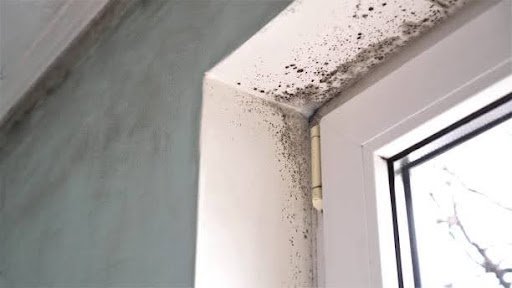
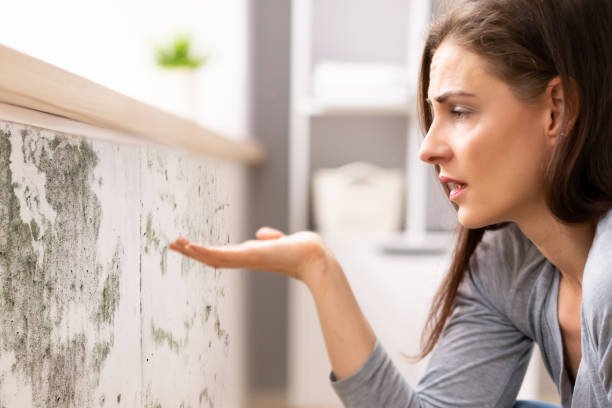
Moulds are different types of fungi that can grow on a variety of surfaces, including paper, ceiling, roof, drywall, fabric, concrete, and wood, in damp, warm environments. Most mould is not harmful and is typically found outside on decomposing leaves or grass clippings. Oftentimes, mould will begin to grow indoors, in hidden or difficult-to-reach places, and accumulate over time without the occupants of a home knowing it. It can take on several forms, such as a wall stain or thick fuzz. The place can have an awful odour, like must. There are many different colours of mould, such as green, black, purple, white, pink, and others. Stachybotrys chartarum, a form of black mould, is the most dangerous.
Mould Removal
Mould removal, to put it simply, is the process of “removing the mould,” but there’s more to it than that. “Removing” may sometimes refer to simple cleaning without addressing the root cause, which is locating the source of the mold’s occurrence. Since moulds are a natural part of our ecosystem, one cannot completely eradicate them; rather, one must control their growth. Mould spores are generally harmless until they settle on a damp spot and begin to grow into active mould. When mould grows in your home, removal becomes imminent.
Mould Inspection
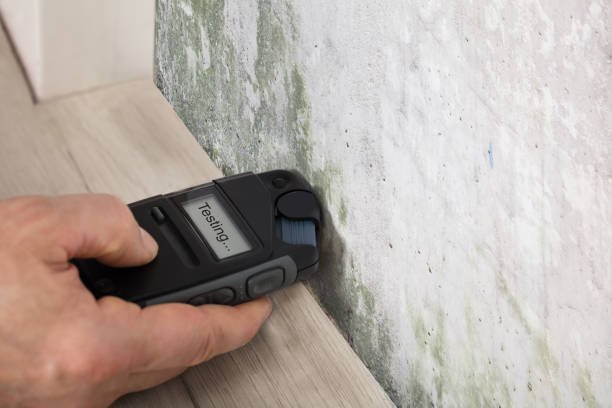
A mould inspection determines whether the home has a mould problem now or whether one ever existed in the past. Additionally, it can determine the extent of the mould problem and pinpoint the environmental factors that have contributed to the growth of the mould. To protect the integrity and worth of your house as well as the health of your family, it is imperative that a mould inspection be done in order to effectively eradicate the mould. A thorough inspection involves utilising LED torches, thermal imaging, moisture metres, hygrometres (which measure humidity and vapour pressure), and spore sampling.
Mould Remediation?
The word “mould remediation” refers to the collection of procedures used to get rid of dangerous mould growth. Depending on the kind and location, it may involve mould testing, removal, demolition, sanitising, containment, and mould cleaning. Rather than making a misleading claim about total mould removal, a reputable remediation company that specialises in mould removal and recognises the vital significance of mould growth will offer remediation to bring the mould levels in your house back to a safe level.
The Mould Remediation Process
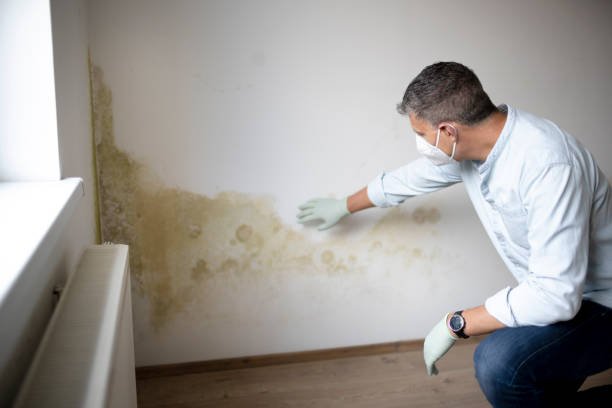
There is much more to the mould remediation procedure than merely getting rid of the mould in the affected area. We’ve put together this step-by-step guide on mould remediation procedures to make the whole process easier to understand.
- Assessment and Containment: In mould mediation, assessing the circumstances is the first meaningful step. Upon visiting your facility, our certified mould removal specialist (MRS) assesses what has to be done next. The origin of the mould, its location, and any potential hiding places in walls or ceilings, where mould can grow will next be examined. Then, using plastic or polyurethane sheeting, we will isolate the issue and minimise spore distribution.
- Utilise Moisture to Reduce Dust: Increasing the amount of moisture in an area where mould is growing may seem strange, but it really helps prevent spores from spreading. While the job is ongoing, our mould removal specialist will use a humidifier or another device to create a safe working environment.
- Removal of Affected Materials: Materials affected by mould, such as drywall, insulation, and carpeting, are removed and properly disposed of. Items that are damaged need to be wrapped, sealed, and sprayed down to remove any spores that might be hiding on the bag’s outside. The remediation team then gets rid of them appropriately. to prevent further contamination.
- Cleaning and Disinfection: The affected area is thoroughly cleaned and disinfected to eliminate mould spores. Any materials that are not removable are cleansed using a detergent solution and a specialised brush. This usually stirs up mould spores into the air and is one of the trickier parts of the mould treatment process. As instructed in the preceding stage, all used cleaning instruments that cannot be disinfected must be disposed of. If there are any issues with the HVAC system, these will be resolved with specialised equipment and techniques.
- Drying and Dehumidification: Moisture control is essential to prevent mould growth. The affected area is dried using dehumidifiers and fans to remove any remaining moisture.
- Mould Treatment: Next, to eradicate any airborne infections in the contaminated areas, our mould remediation team uses the O2 depravation technique. Controlled generation is safe, destroys mould spores in the air, and gets rid of the smell in the space. Our CO2 generator automatically neutralises the air in the room when the treatment is finished, ensuring that it is safe for anyone to enter. We can allow the area to be occupied sooner by employing our CO2 generator to hasten the process of eradicating mould spores as well as removing odours.
- Cleaning of contaminated surfaces: After eliminating every mould spore in the impacted region, we will start cleaning the visible mould. By doing this, it is ensured that mould spores stay contained within the polluted region. We clean the entire surface of the affected regions, not just the obvious mould stains. At the clients’ request, cleaning services can also be provided for furniture and personal items. To clean the contaminated regions, we employ a substance that has been specifically sourced and tested. This product is non-toxic and safe.
- Removal of contaminants: To ensure no contaminants are left in the air, we use a HEPA 500 Air Scrubber. Generally, after any chemical or gas treatment, some particles, gases and chemicals are left in the area where the treatment was carried out. The HEPA 500 Air Scrubber removes these components from the air to leave the air in the area fresh and free of contaminants.
- Application of Anti-Microbial: After everything is finished, it’s vital to take precautions against the growth of mould. This entails maintaining low humidity, making sure water leaks and any resulting damage are quickly fixed, and having the property adequately ventilated. With the application of our Anti-Microbial solution, we help prevent the growth of mould. Every corner of the property, including the bathrooms and the concrete flooring, can be treated with anti-microbial. Every surface is treated with the Anti-Microbial using a fine mist fogger. After that, the surface is allowed to cure, forming a bond that can last for up to seven months.
- Clearance testing: Upon completion of the mould removal work, a clearance test is undertaken prior to the property being occupied again. Five surface biosamples are collected in total. Usually, the same locations are used for this sample collection as they were for the first inspection. After that, the samples are either analysed internally using equipment approved by the American EPA or transferred to an independent laboratory for examination and analysis. Subsequently, the client receives a clearance certificate together with the outcomes of the air and surface sampling as well as any additional recommendations or requirements. Finally, the property can be reoccupied.
Choosing a Mould Remediation Specialist
When it comes to mould remediation, you can’t go wrong if you hire a specialist with extensive experience. A professional mould removal technician will have the necessary skills and equipment to handle the remediation process effectively. MouldPlus offers complete mould removal services and have a proven track record of successful remediation projects.
Mould Remediation Costs
The cost of mould remediation can vary depending on the extent of mould growth and the size of the affected area. Factors such as the type of mould, the location of the infestation, and the level of contamination will also influence the price of mould remediation. It’s important to get a detailed estimate from a reputable remediation company to understand the costs involved.
Mould Prevention Tips
Preventing mould growth is essential to maintaining a healthy living environment. Here are some tips to prevent mould:
- Control Moisture: Fix any leaks and ensure proper ventilation in areas prone to moisture, such as bathrooms and kitchens.
- Monitor Humidity Levels: Keep indoor humidity levels below 60% to prevent mould growth.
- Regular Cleaning: Regularly clean and disinfect areas prone to mould, such as bathrooms and basements.
- Use Dehumidifiers: Use dehumidifiers in damp areas to reduce moisture levels.
Addressing Mould in Specific Areas
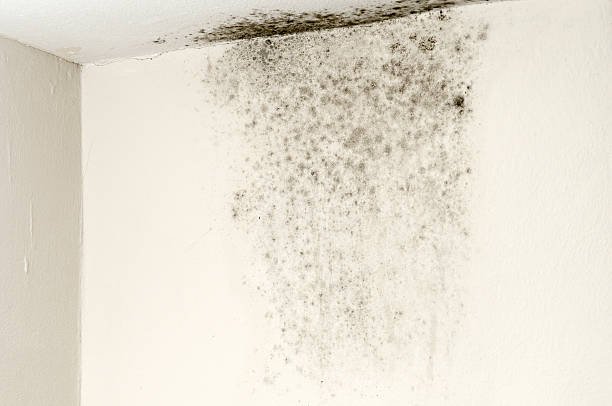
Certain areas of the home are more prone to mould growth due to higher moisture levels. Here are some tips for addressing mould in specific areas:
Bathroom Mould Removal
Bathrooms are common areas for mould growth due to high humidity levels. To prevent and remove mould in the bathroom, ensure proper ventilation by using exhaust fans and keeping windows open. Regularly clean shower curtains, tiles, and grout with mould-killing products. Fix any leaks promptly to prevent water accumulation.
Kitchen Mould Removal
Kitchens are another area prone to mould growth due to moisture from cooking and washing dishes. To prevent mould, use exhaust fans while cooking and ensure proper ventilation. Clean and dry kitchen surfaces regularly, and fix any plumbing leaks immediately. Keep an eye on areas under the sink and around the refrigerator for signs of mould.
Basement Mould Removal
Basements often have higher humidity levels and poor ventilation, making them susceptible to mould growth. To prevent mould in the basement, use a dehumidifier to control humidity levels. Inspect the basement regularly for signs of water damage, and fix any leaks promptly. Ensure proper drainage around the foundation to prevent water accumulation.
The Role of Professional Mould Removal Services
Professional mould removal services play a significant role in effective mould remediation. Here are some benefits of hiring professionals for mould removal:
- Expertise and Experience: Professionals have extensive experience in handling mould remediation and can provide effective solutions.
- Specialised Equipment: Professional mould removal technicians use specialised equipment for thorough cleaning and remediation.
- Comprehensive Services: Professional services include a thorough inspection, removal, cleaning, and prevention measures.
- Health and Safety: Professionals follow safety protocols to protect occupants and prevent further contamination during the remediation process.
Final Thoughts on Mould Remediation
Mould remediation is essential for maintaining a healthy living environment. By understanding the mould removal process and taking preventive measures, you can effectively address mould issues in your home. Whether you’re dealing with a minor mould problem or extensive mould growth, our professional mould removal services can provide the expertise and solutions needed for effective remediation.
By following the guidelines and tips provided in this comprehensive guide, you can effectively manage mould issues and maintain a healthy living space. Remember, prevention is key, and regular inspections and maintenance can go a long way towards keeping your home mould-free. If you encounter a significant mould problem, don’t hesitate to call us to ensure thorough and effective remediation.
FAQs
Mould remediation is the process of removing and cleaning mould from a home or building to prevent further growth and ensure a healthy environment.
Mould thrives in damp and poorly ventilated areas, making bathrooms, basements, and areas affected by water damage common places for mould to grow.
Mould can cause respiratory issues, allergies, and other health problems, so prompt removal is essential to prevent any adverse health effects.
The mould removal process usually includes identifying the source of the mould, containing the affected area, removing the mould, and cleaning and restoring the space.
It is advisable to call specialists in mould remediation when dealing with extensive mould growth, black mould, or if you are unsure about the extent of the mould problem.
To ensure complete mould removal, it is important to have a detailed mould remediation plan, address the root cause of the mould, and perform thorough cleaning and treatment of the affected area.
To prevent mould from returning, it is crucial to address any water damage or dampness issues, maintain proper ventilation, and monitor moisture levels in your home.
Yes, mould remediation is often necessary after flooding, as the excess moisture can lead to rapid mould growth if not properly addressed and cleaned.