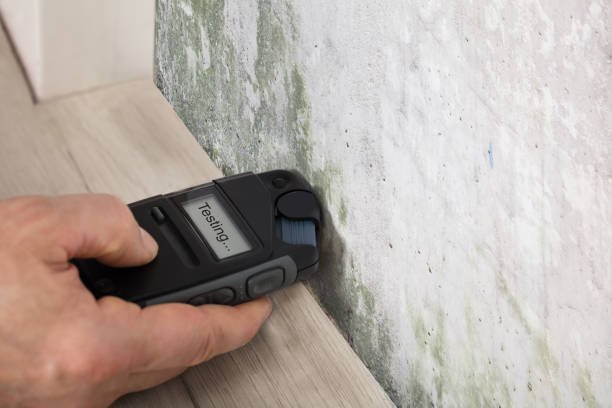

One of the best ways you can sanitise and disinfect your home is through steam. It is one of the best methods for cleaning bacteria, dirt, allergens, and mould.
Mould is a form of fungus and a common household problem that causes serious health risks if not properly addressed. Thankfully, one of the most cost-effective methods for tackling mould growth is using steam.
But does steam really kill mould?
In this guide, we’ll learn how steam works as a powerful tool to kill mould, clean surfaces, and ensure a healthy environment in your home. We’ll also discuss the benefits of steam cleaning and how to use steam effectively to remove mould from various surfaces.
Sounds interesting? Read till the end.
How does steam kill mould?
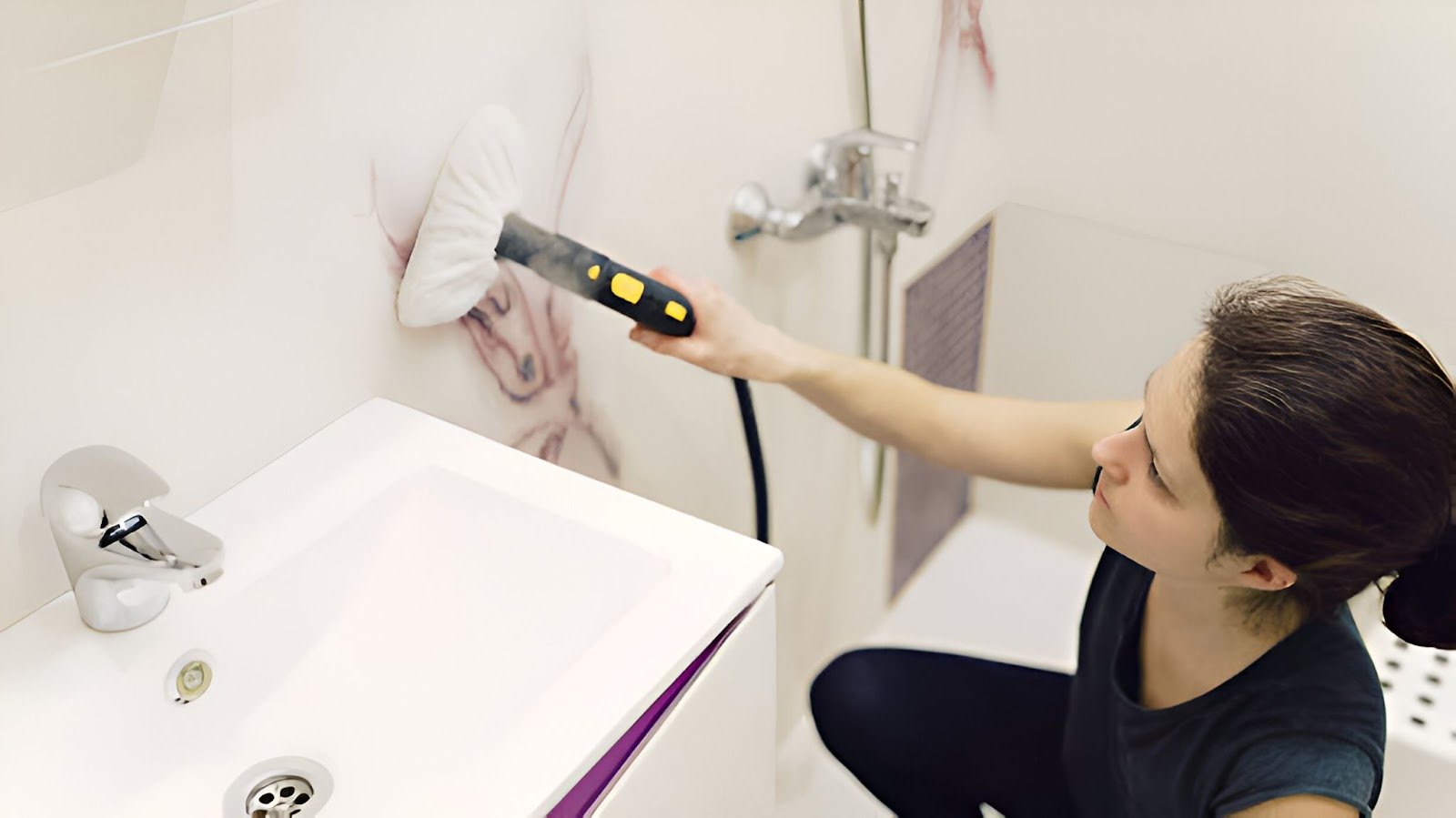
Steam cleaning is an effective method for killing mould because it uses high-temperature steam (gotten from heating water past its boiling point and producing pressurised steam) to penetrate surfaces and eradicate mould spores. The heat from the steam is high enough to kill mould and its spores, preventing them from spreading or returning. Moulds are heat-sensitive and are destroyed by heat treatment at temperatures of 60 to 70 °C.
So yes, steam can kill mould.
When you use steam to clean mould-infested areas, the hot steam vapour can reach deep into porous surfaces like fabric, carpet, and grout, ensuring that all mould spores are eliminated.
The key to using steam successfully to kill mould is to ensure that the steam is hot enough and that it is applied evenly across the affected area. Steam cleaning is also a chemical-free method, making it a safe and environmentally friendly option for mould removal.
The benefits of steam cleaning mould
Let’s take a look at some of the reasons you should consider using steam to get rid of mould.
It is a chemical-free solution
One of the primary benefits of using steam to kill mould is that it is a chemical-free solution. Traditional mould removal methods often involve chemicals like bleach, which can cause damage to delicate fabrics and carpets and may pose a significant health risk if not used correctly. In contrast, steam cleaners use only water, which is heated to a high enough temperature to kill mould spores permanently.
Using steam cleaners to remove mould ensures that you’re not releasing toxic chemicals into your home, making it a safer option for families, pets, and the environment. Additionally, the chemical-free nature of steam cleaning means that it won’t cause damage to delicate fabrics or surfaces in your home.
Steam cleaners penetrate deep into surfaces
Steam cleaning is particularly effective for mould removal because steam can penetrate deep into surfaces like carpets, upholstery, and grout. This deep penetration ensures that all mould spores, including those hidden in porous materials, are effectively killed. By using steam, you can eliminate mould growth in areas that are difficult to reach with traditional cleaning methods.
Moreover, steam cleaners are excellent for removing dirt, grime, and stains from various surfaces, making them a versatile tool for keeping your home clean and free from mould. The hot steam also sanitises the surface, killing bacteria and other harmful microorganisms that may be present.
Steam kills mould and prevents its return
When you use steam to kill mould, you’re not only eliminating the existing mould but also preventing it from returning. The high heat of the steam kills mould spores, ensuring they cannot regrow or spread to other areas of your home. This is particularly important in areas with high humidity, where mould is more likely to grow.
If you use steam cleaners regularly, you will maintain a clean and mould-free environment, reducing the risk of mould-related health issues and keeping your home safe for your family. Steam cleaning is also a helpful technique for preventing mould growth in the first place, especially in damp or humid areas like bathrooms and kitchens.
How to use steam to clean mould in your home
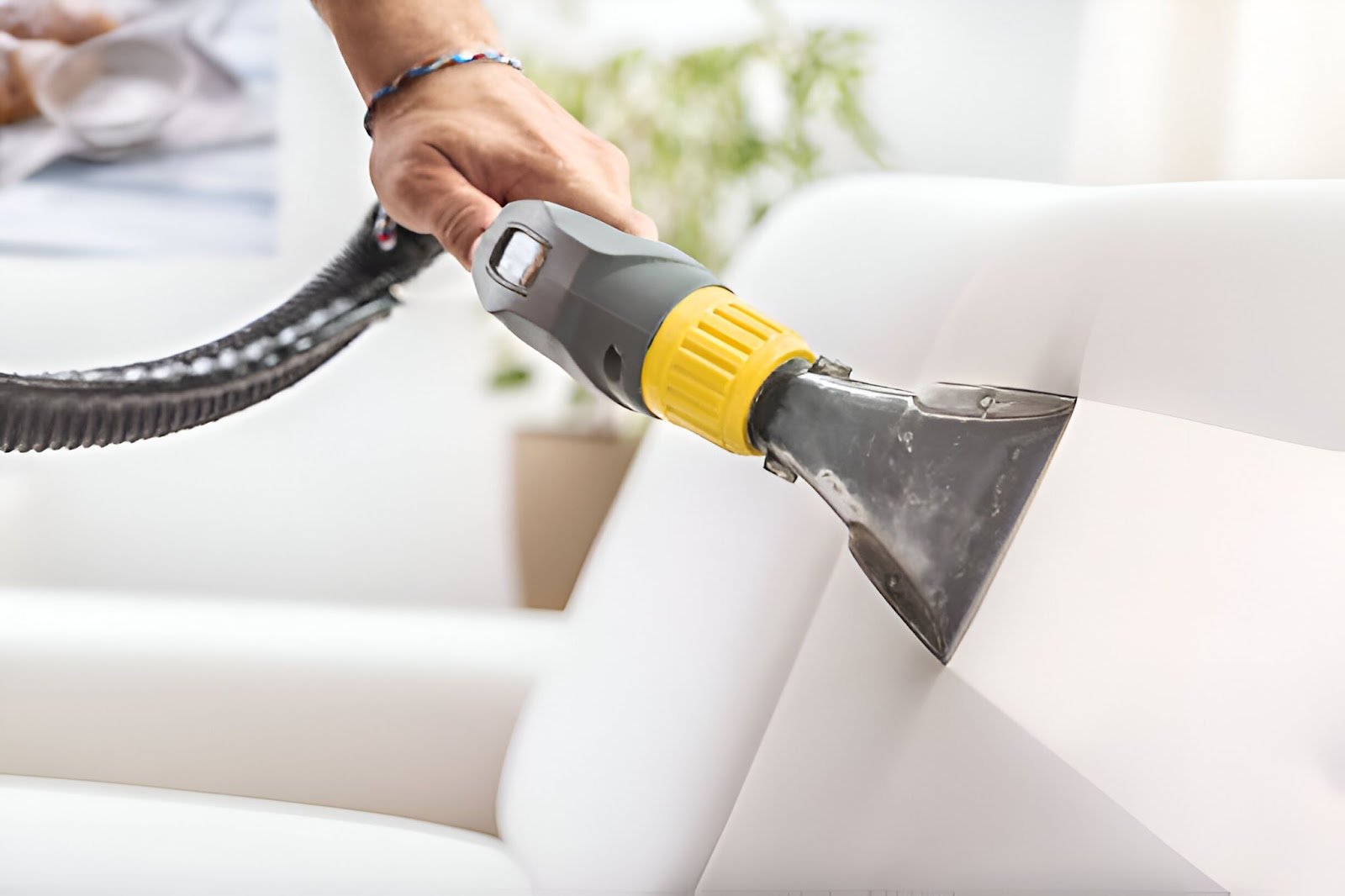
Preparing the area
Before you start steam cleaning to kill mould, it’s important to prepare the area properly. First, remove any loose debris or dirt from the surface you intend to clean. This will help the steam penetrate more effectively and ensure that you’re getting rid of all mould spores.
Next, ensure that the steam cleaner is set to the appropriate temperature. The steam needs to be hot enough to kill mould, which typically means a temperature of at least 212°F (100°C). Some steam cleaners allow you to adjust the temperature, so make sure it’s set high enough to be effective.
Finally, make sure that the area is well-ventilated. While steam cleaning is a chemical-free process, the steam can still release moisture into the air, which is unsafe and could contribute to mould growth if not properly managed (more on this later). Opening windows or using a fan can help reduce humidity levels and keep the area dry.
Steam cleaning different surfaces
Steam cleaning can be used on a variety of surfaces in your home to kill mould. However, it’s important to use the right technique for each type of surface to ensure effective mould removal without causing damage.
Carpets and upholstery
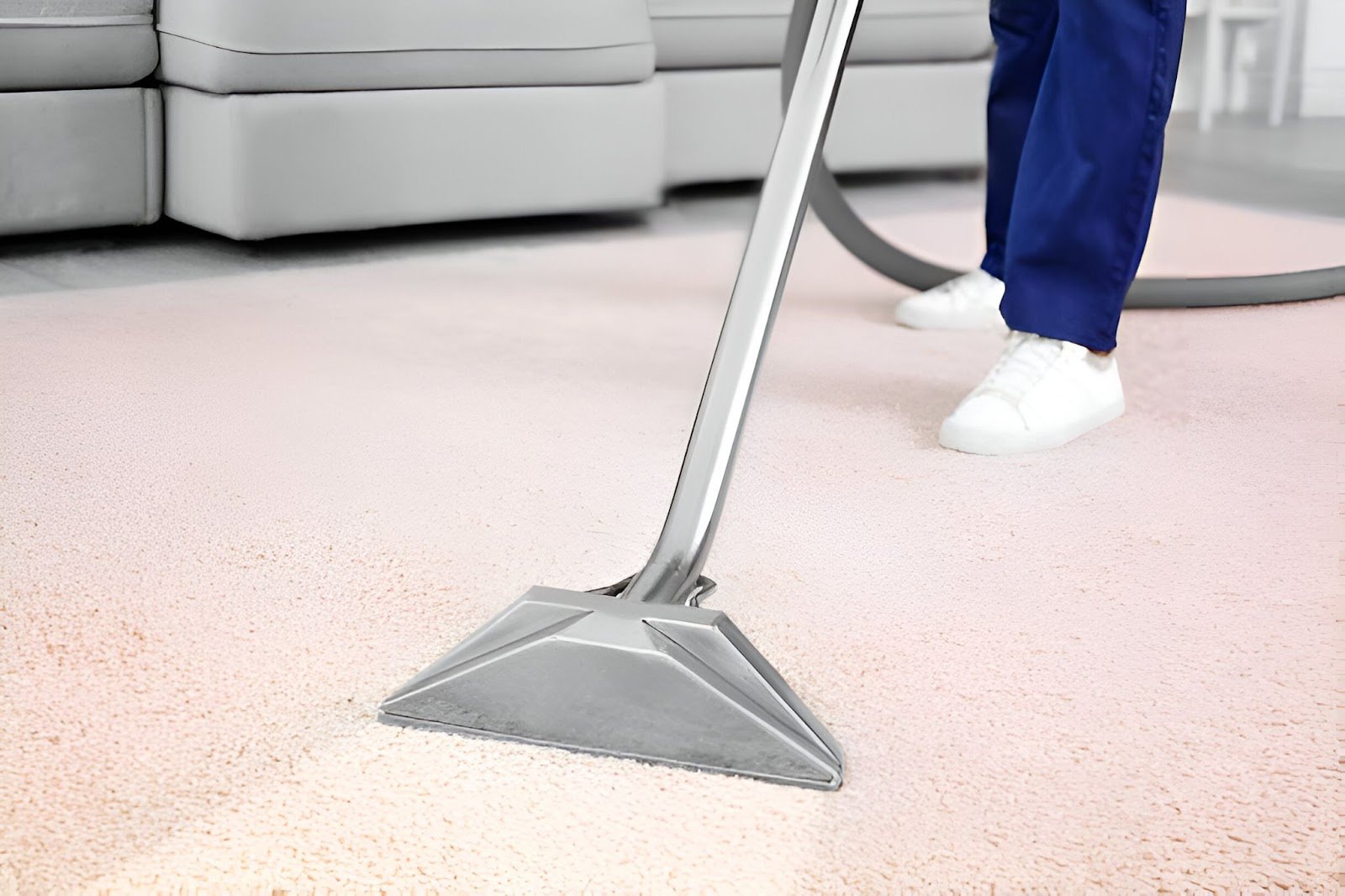
Carpets and upholstery are common places for mould to grow, especially if they’ve been exposed to moisture. When steam cleaning these surfaces, it’s important to move the steam cleaner slowly and evenly across the fabric to ensure that the steam penetrates deep into the fibres.
The heat from the steam will kill the mould spores and remove any dirt or stains that may be present. After steam cleaning, allow the carpet or upholstery to dry completely to prevent any further mould growth. Using a fan or opening windows can help speed up the drying process.
Hard surfaces
Hard surfaces like tile, grout, walls and countertops can also harbour mould, especially in areas with high moisture levels, such as bathrooms and kitchens. Steam cleaning these surfaces is an effective way to kill mould and remove any buildup of grime or bacteria.
When cleaning hard surfaces, use a brush attachment to scrub the surface as you apply the steam. As a result, this will help remove any stubborn mould or dirt that may be embedded in the surface. Make sure to dry the area thoroughly after cleaning to prevent moisture from lingering and causing mould to grow.
Professional steam cleaning for serious mould problems
While steam cleaning is an effective method for killing mould, there are times when it’s best to call in the professionals.
As mentioned earlier, if not done properly, you can endanger yourself when trying to kill mould with steam.
First, remember that steam uses water. If the water is not heated enough, the dispersed spores can settle on the damp spots and regrow. Secondly, you might overconfigure the heat on your steam machine, which might be too hot for some surfaces like carpets, damaging them. Thirdly, kiiling the mould with a steam cleaner yourself can be toxic because you will be in close contact with these spores, and once they’re inhaled, you are subjected to sneezing, coughing, itching, and the rest.
So, if you’re dealing with a serious mould problem, if the mould has spread to a large area, or if you simply need to remain safe while eliminating mould, then professional mould removal services are necessary.
Professional steam cleaners have access to industrial-grade equipment that can effectively kill mould in your home. They also have the expertise to identify the root cause of the mould problem and provide long-term solutions to prevent its return. If you’re unsure about whether to tackle the mould yourself or call in the professionals, consider the severity of the problem and the potential risks involved.
Key takeaways
Steam is a powerful tool for killing mould and keeping your home clean and safe. By using steam to kill mould, you can eliminate mould spores permanently, prevent future mould growth, and avoid the use of harsh chemicals. Steam cleaning is an effective, chemical-free method that can be used on a variety of surfaces in your home, from carpets and upholstery to hard surfaces like tile and grout.
As specialists in mould removal, we have the expertise to pinpoint the exact cause of mould growth, eliminate it using various methods, and perform a test on the area treated to ensure the mould is completely gone. You can reach out to us now if you need professional mould remediation services in Sydney. We are more than ready to make your home completely free from mould.
FAQs
Steam cleaning kills black mould by using high-temperature steam to penetrate deep into surfaces, eliminating mould spores on contact. The heat from the steam ensures that the mould is killed without the need for harsh chemicals. This method is especially effective in areas where mould is difficult to reach, such as grout lines and corners. After steam cleaning, it’s essential to dry the area thoroughly to prevent the mould from returning.
Yes, you can remove mould without using chemicals by opting for steam cleaning. Steam cleaning uses only water to generate high-temperature steam, which kills mould and bacteria on contact. This method is not only effective but also safe for your health and the environment, especially in homes with children or pets. It’s a great option for those looking for a chemical-free solution to mould removal.
Yes, it’s safe to steam clean furniture to remove mould, but you should take care to ensure that the fabric or material can withstand the heat and moisture from the steam. Steam cleaning is an effective way to kill mould on furniture without using harsh chemicals. However, delicate fabrics and materials may require a gentler approach, so always test a small, inconspicuous area first.
Prevention is key to keeping mould from returning after it’s been removed. After steam cleaning, make sure the area is completely dry to avoid creating a wet environment where mould can grow again. Controlling humidity levels in your home, using dehumidifiers, and ensuring proper ventilation are essential steps in mould prevention. Regular cleaning and maintenance also play a vital role in keeping mould at bay.
If you discover mould on your clothing, it’s important to act quickly to remove it. Steam cleaning can be an effective method to kill mould without damaging the fabric. However, ensure that the clothing can withstand the heat and moisture from the steam. After cleaning, make sure the clothing is thoroughly dried before storing it to prevent mould from growing again.
Yes, mould spores can become airborne during removal, especially if the area is not sealed off properly. To minimise the risk, take care to use proper ventilation and, if possible, seal off the area before starting the cleaning process. Steam cleaning is effective in killing mould spores on contact, reducing the likelihood of them becoming airborne. However, always take precautions to protect yourself, such as wearing protective clothing and masks.