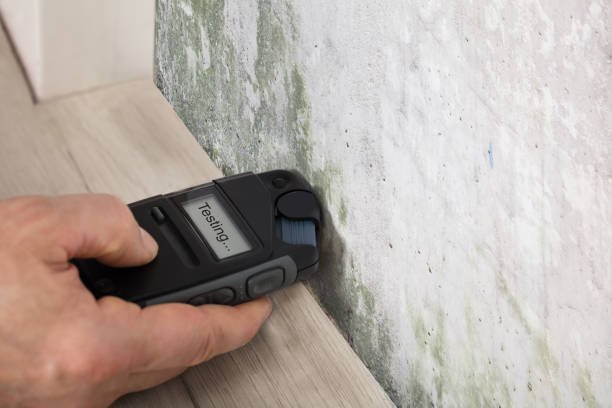
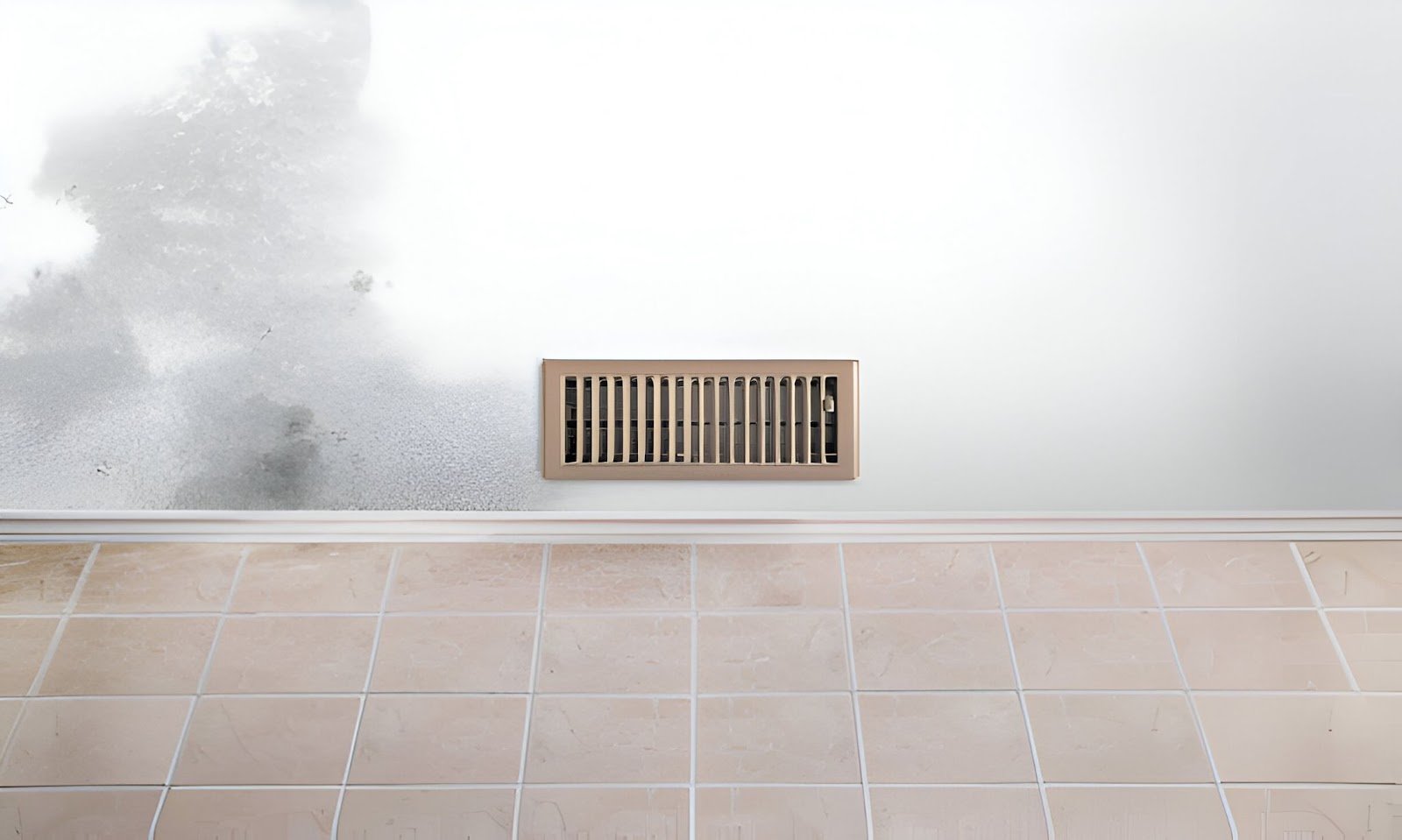
Naturally, mould is a type of fungus that is needed for the metabolism of organic matter in the ecosystem. But they become problematic once they are found indoors.
Mould and mould growth are common problems in homes, especially in areas with high humidity. Learning how to remove mould and get rid of mould on walls is necessary for maintaining a healthy living environment.
In this comprehensive guide, we will explore effective methods for cleaning mould off walls, preventing mould growth, and ensuring mould removal is permanent.
Remove Mould Effectively
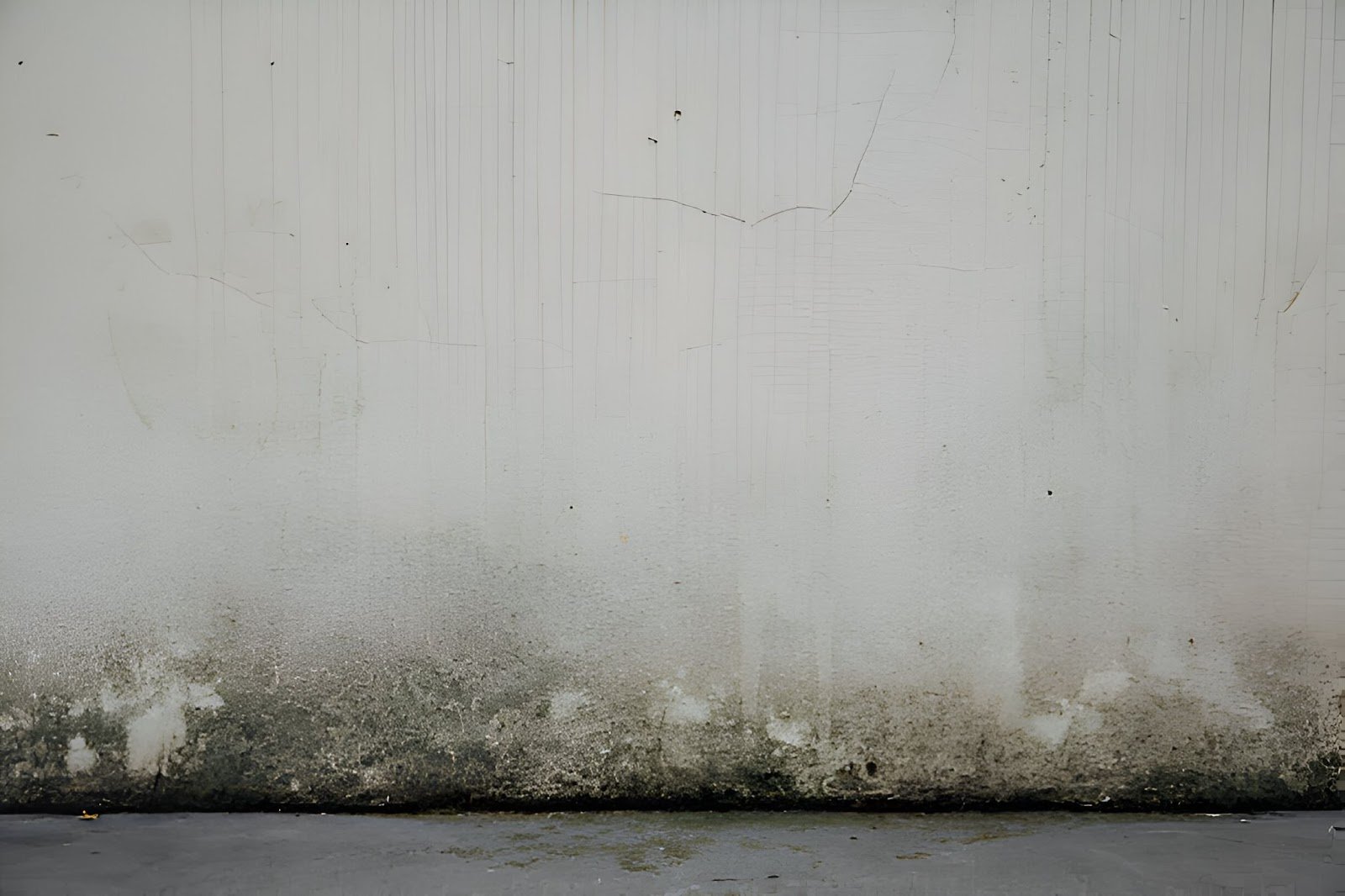
Removing mould in your home is essential for health and structural reasons. Mould spores can cause respiratory issues and other health problems, especially for individuals with weakened immune systems. To stop mould growth effectively, follow these steps:
Step 1: Identify the type of mould
To remove mould from walls, it’s important to identify the type of mould you are dealing with. Common types include black mould, mildew, and white or grey mould. Knowing the type of mould helps determine the best removal method and the necessary precautions. For instance, black mould, known as toxic black mould, requires more stringent safety measures.
Step 2: Prepare the area and yourself
Even though you are not a certified mould remover, protecting yourself is mandatory. Ensure the area is well-ventilated by opening windows and using exhaust fans. Wear rubber gloves, eye protection, and a mask to avoid inhaling mould spores. Cover the floor with a plastic sheet to catch any debris.
Step 3: Use the right cleaning products
For effective mould removal, use a combination of bleach, vinegar, and hydrogen peroxide. These simple household items have the ability to drive mould away. Bleach kills mould spores, while vinegar and hydrogen peroxide help prevent mould growth. Here’s a simple cleaning solution:
- Bleach Solution: Mix one part bleach with three parts water.
- Vinegar Solution: Mix equal parts white vinegar and water.
- Hydrogen Peroxide: Use hydrogen peroxide directly from the bottle.
Apply the cleaning solution to the affected area using a spray bottle, scrub the mould with a brush, and wipe away the mould with a cloth. Ensure you remove the mould entirely to prevent regrowth.
Get rid of mould and prevent mould growth

Getting rid of mould involves more than just cleaning the visible spots. To prevent mould from returning, address the underlying issues that cause mould growth.
Control humidity levels
If you can identify mould growing in unusual places, then it’s as a result of excess moisture. Uncontrolled moisture in your home is one of the reasons mould and mildew are frequently seen. High humidity levels create a perfect environment for mould growth. Use a dehumidifier to keep indoor humidity below 60%. Regularly check and maintain humidity levels, especially in basements, bathrooms, and kitchens.
Ensure proper ventilation
Proper ventilation is essential to preventing mould growth on your walls and ceilings. Install exhaust fans in bathrooms and kitchens, and keep windows open whenever possible to allow fresh air to circulate. Poor ventilation can lead to condensation, creating damp areas where mould can thrive.
Fix leaks and water damage
Leaks or water damage are common causes of mould problems. Inspect your home for any signs of water damage, such as stained ceilings or walls. Repair leaks promptly to prevent excess moisture from creating a breeding ground for mould.
Use mould-resistant products
When renovating or repairing your home, opt for mould-resistant drywall, paint, and insulation. These products help prevent mould from taking hold on surfaces.
Mould removal techniques
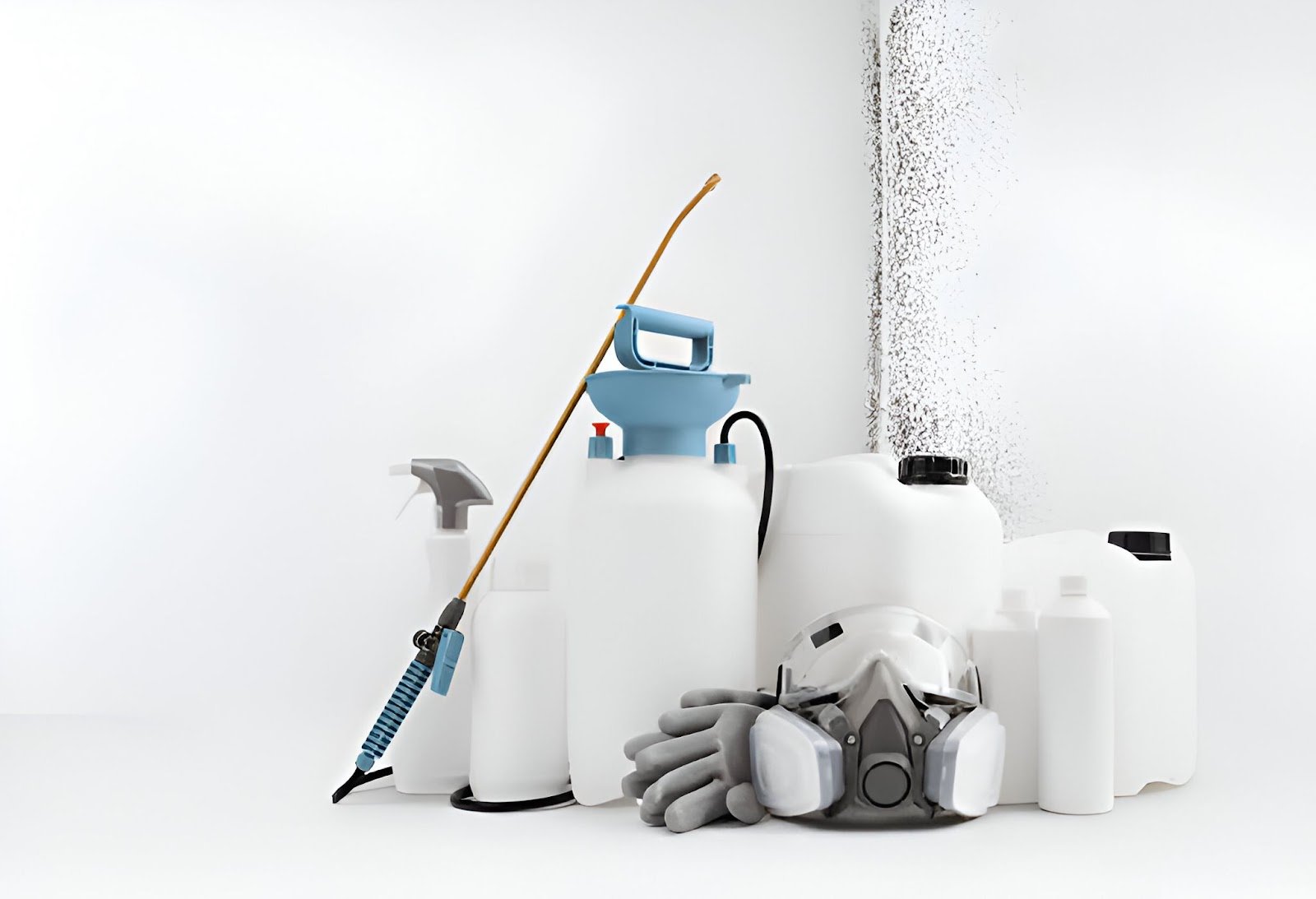
Different techniques are effective for various mould removal scenarios. Here’s a breakdown of common methods:
Cleaning mould off walls
To clean mould off walls, you can use bleach, vinegar, and proper scrubbing techniques. Apply the bleach solution or vinegar solution to the mouldy area, let it sit for 15 minutes, then scrub with a brush. Rinse with clean water and dry thoroughly to prevent moisture from lingering.
Removing mould from ceilings
Mould on ceilings can be challenging to tackle due to the height and difficulty in accessing the area. Use a long-handled brush to apply the cleaning solution and scrub the mould. Ensure the area is dry to prevent future mould regrowth.
Addressing mould on tiles and grout
Tiles and grout in bathrooms and kitchens are prone to mould due to constant exposure to water. Use a bleach solution to scrub mould off tiles and grout, and consider re-sealing the grout to prevent moisture penetration.
Prevent mould growth and keep walls clean
Preventing mould growth requires ongoing efforts to maintain a dry and clean environment. Here are some tips to keep your home mold-free:
Reduce condensation
Condensation on windows and walls can lead to damp areas where mould thrives. Use dehumidifiers, ensure proper insulation, and keep windows open to reduce condensation.
Regular cleaning
Regularly clean areas prone to moisture, such as bathrooms and kitchens, with mould-inhibiting cleaning products. Wipe down surfaces to remove any mould spores before they can take hold.
Monitor humidity levels
Keep an eye on humidity levels in your home, especially during humid seasons. Use a hygrometer to measure humidity and adjust with dehumidifiers or ventilation as needed.
Address dampness promptly
If you notice any signs of dampness, such as a musty smell or discoloured walls, address it immediately. Find and fix the source of moisture to prevent mould from developing.
Maintain proper ventilation
Proper ventilation is beneficial in areas like bathrooms and kitchens. Use exhaust fans to remove excess moisture and leave windows open to allow air circulation.
Conclusion
Effectively getting rid of mould and preventing its return requires a combination of thorough cleaning, proper ventilation, and regular maintenance. By understanding the causes of mould growth and implementing the strategies outlined in this guide, you can keep your home mold-free and ensure a healthy living environment.
Remember that mould thrives in damp environments. Also, remember to use the right cleaning solutions, control humidity levels, fix leaks promptly, and leave the windows open from time to time to achieve permanent mould removal.
If you encounter severe mould problems or if mould keeps returning despite your efforts, it’s best to call a professional mould removal company for expert assistance. Keep your home clean, dry, and well-ventilated to enjoy a mould-free environment.
FAQs
To tackle mould on walls, it’s crucial to understand the cause of the mould. Start by addressing any moisture issues that might remove the conditions for mould growth, such as leaks or high humidity. Wipe the mould with a cleaning solution, such as a mixture of bleach and water, or use vinegar for a more natural approach. Apply it to the affected area, scrub thoroughly, and rinse with a bucket of clean water. Regular maintenance and ensuring proper ventilation can help prevent mould from returning.
When dealing with mold on walls, start by identifying the cause of the mould. Once identified, use a cleaning solution like bleach or vinegar to clean the affected area. Apply it to the affected spot, scrub, and rinse with water. Regularly wiping down walls, keeping them dry, and ensuring proper ventilation are effective ways to keep mold from reappearing.
To prevent mold in your home, control humidity levels by using dehumidifiers and ensuring proper ventilation. Regularly inspect your home for leaks and water damage, as moisture is a common cause of the mould. Tips to prevent mold also include using mold-resistant products, keeping surfaces clean and dry, and fixing any issues promptly to prevent mould growth.
Addressing damp issues is essential to prevent mould growth. Start by identifying sources of dampness, such as leaks or poor ventilation. Use dehumidifiers to control humidity levels and ensure proper ventilation throughout your home. Regularly inspect and fix any water damage, and wipe down any damp areas promptly. Keeping your home dry and well-ventilated will significantly reduce the risk of mould.
Resolving a mold problem involves identifying and eliminating the cause of the mould, such as leaks or high humidity. Once addressed, clean the mold using appropriate solutions like bleach or vinegar. Apply it to the affected area, scrub, and rinse thoroughly. Regular cleaning, proper ventilation, and maintaining low humidity levels are key to preventing future mold problems. If the mold problem persists, it might be best to consult a mold removal company.
Black mold, known as toxic black mold, is particularly concerning due to its potential health risks. It thrives in damp, poorly ventilated areas and often appears on the surface as dark spots. Tackling mould of this species requires careful handling to avoid spreading spores into the air. Use appropriate cleaning solutions and protective gear when removing black mold. If you’re sensitive to mould spores or the infestation is extensive, seeking professional help from a mold removal company is advisable.
To effectively remove mildew and mould from walls, start by identifying the cause of the mould and addressing any moisture issues. Use a cleaning solution, such as bleach or vinegar, to clean the affected area. Apply it to the affected spots, scrub thoroughly, and rinse with clean water. Regular maintenance, proper ventilation, and keeping walls dry are essential to prevent mildew and mould from returning.