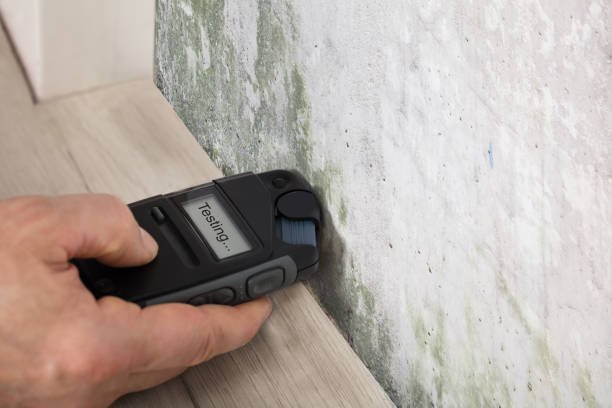

Mould, which is sometimes referred to as mildew, is a type of fungus that grows on wet materials indoors. Mould can be found anywhere. They are needed naturally for breaking down organic matter from leaves and fallen trees, but when they get indoors, they become problematic.
As a fungal colony, they grow and replicate in poorly ventilated areas and basically thrive due to excess moisture on walls and ceilings. If there are moulds on the ceiling in your bedroom, then it’s time to take the necessary steps to remove them.
In this article, we will help you understand the causes of mould on bedroom ceiling, preventive measures, and the best ways to remove the mould.
What are the causes of mould on ceilings?
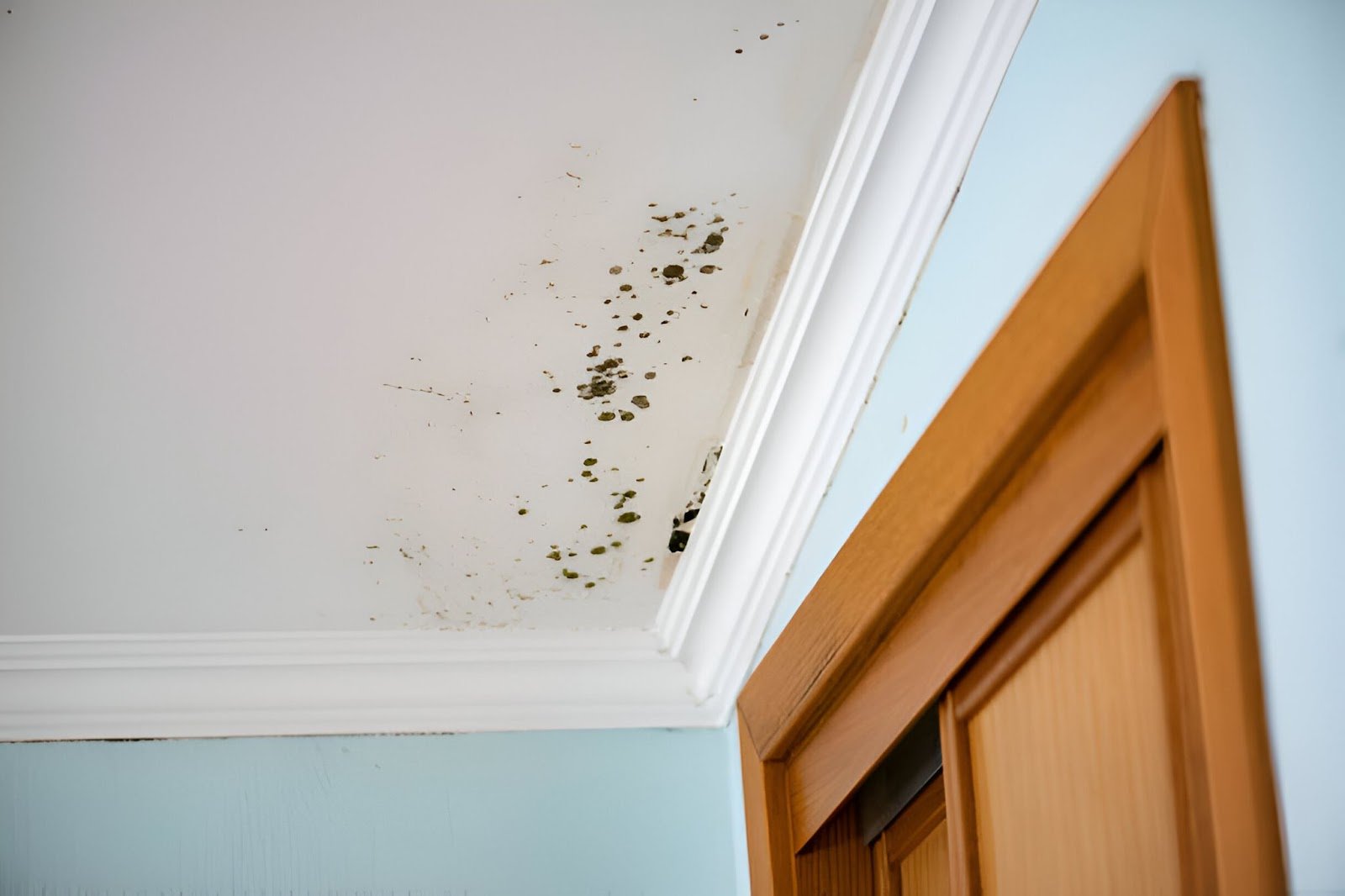
Mould on ceilings is a common issue faced by many homeowners. Moulds can grow on any surface so long as moisture is present. Their reproductive form, called spores, is carried by air currents, and once they find a moist surface to land on, they set up camp and begin to multiply. Understanding the causes of mould growth is the first step in tackling this persistent problem.
Moisture and humidity
One of the primary causes of mould growth on ceilings is excessive moisture. This moisture can come from various sources, including roof leaks, condensation, and high indoor humidity levels. When water infiltrates the ceiling material, it creates an ideal environment for mould spores to grow. Poor ventilation in the home exacerbates this problem by preventing moisture from escaping, leading to damp conditions that promote mould growth.
Roof leaks and condensation
Roof leaks are another significant contributor to mould on ceilings. When water seeps through the roof, it often accumulates in the ceiling cavity, providing a constant source of moisture that encourages mould proliferation. Condensation, particularly in poorly insulated homes, also plays a role. When warm, moist air comes into contact with cold ceiling surfaces, it condenses and creates a damp environment that is perfect for mould spores to flourish.
Poor ventilation
Poor ventilation is a critical factor in mould growth. Without adequate airflow, moisture from everyday activities like cooking, showering, and drying clothes indoors cannot escape. This trapped moisture raises indoor humidity levels, which, combined with poor ventilation, creates the ideal conditions for mould to grow on ceilings and walls.
Lack of natural light
Inadequate insulation is a common cause of mould growth in the bedroom. When enough sunlight doesn’t get into the room, this gives moulds more fuel to grow. This is because the UV rays from the sun damages the cell structure of the mould, eventually killing it. Moreso, exposure to sunlight dries up wet areas, making it extremely difficult for mould to survive.
What is the impact of mould on health and the home?

Mould growth on bedroom and bathroom ceilings can have serious implications for both your health and the structural integrity of your home. Here’s how:
Health risks
Mould exposure can lead to a range of health problems, particularly for individuals with respiratory conditions or weakened immune systems. Prolonged exposure to mould spores can cause symptoms such as coughing, wheezing, skin irritation, and even severe respiratory issues. Children, the elderly, and those with pre-existing health conditions are especially vulnerable to the harmful effects of mould.
Structural damage
Mould can cause permanent damage to your home if left untreated. It can weaken the structural integrity of your ceiling and walls, leading to costly repairs or even the need for complete replacement. Mould also contributes to the biodegradation of building materials, further compromising the safety and stability of your home.
Financial implications
Dealing with a mould problem can be financially draining. The cost of professional mould removal services, repairs to structural damage, and preventive measures can add up quickly. Additionally, mould issues can decrease the value of your home, making it less appealing to potential buyers if you decide to sell.
How to identify mould on ceilings
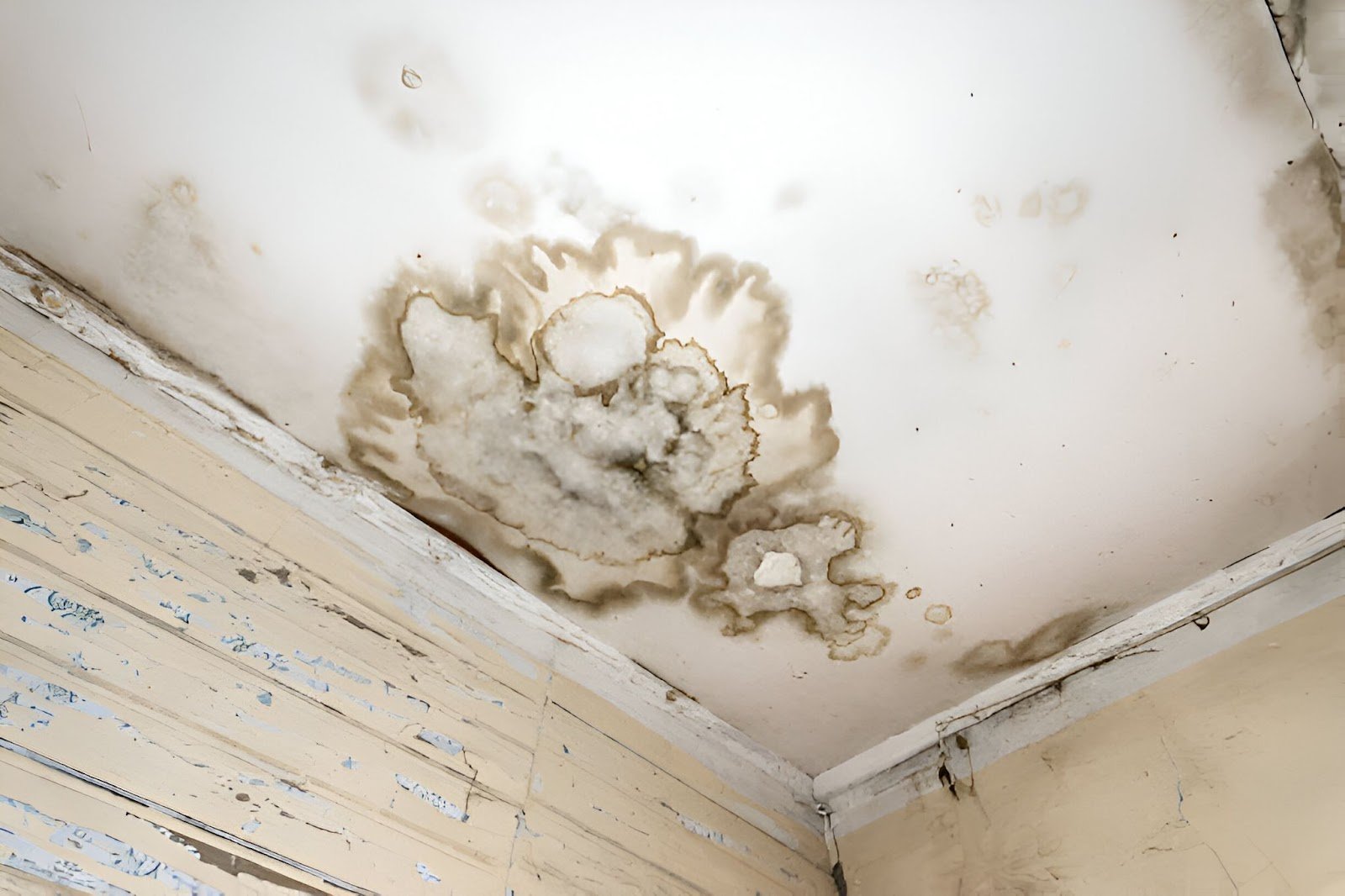
Mould comes in different types, ranging from black mould to blue mould to green mould. But no matter the colour and form in which they come, identifying mould on ceilings early can prevent extensive damage and health issues. Knowing what to look for can help you tackle the problem before it gets out of hand.
Visible signs
Mould often appears on ceilings as dark spots or stains. These can range in colour from black to green or brown, depending on the type of mould. In some cases, the affected area may also feel damp or spongy to the touch, indicating the presence of excess moisture.
Musty Odour
A musty odour is a telltale sign of mould growth. If you notice a persistent, earthy smell in a particular room, it may indicate mould hidden within the ceiling or walls. This smell is caused by the metabolic processes of mould spores as they digest and break down organic materials in your home.
Health symptoms
Mould exposure can lead to a variety of health issues, especially for individuals with allergies or respiratory problems. Common symptoms include sneezing, coughing, skin irritation, and exacerbated asthma symptoms. If you or your family members experience these symptoms, it may be a sign that mould is present in your home.
Preventing mould on ceilings
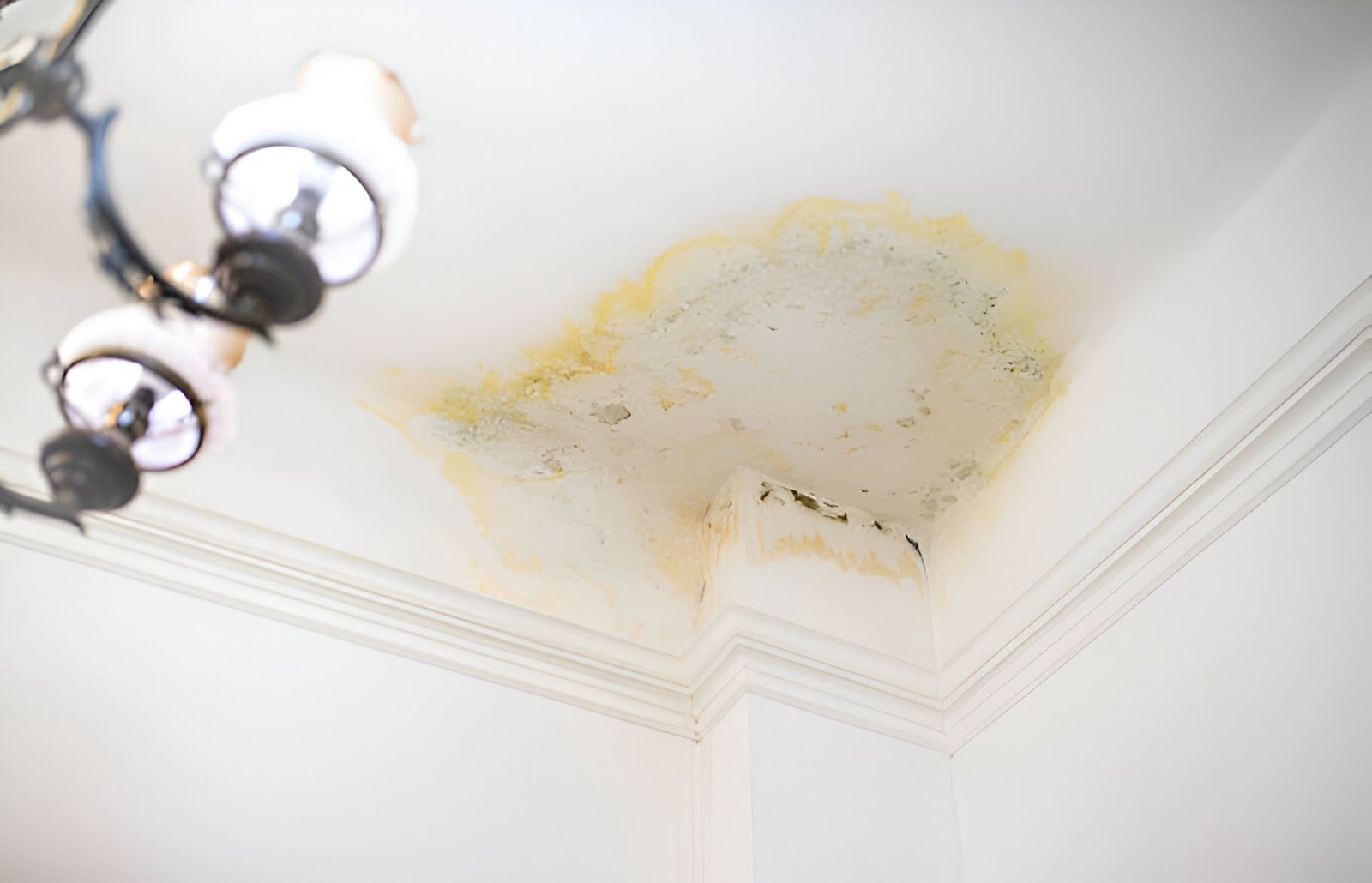
Prevention is always better than cure. By taking the required steps, you can significantly reduce the risk of mould developing on your ceilings.
Improve ventilation
Improving ventilation is essential to preventing mould growth. Ensure that your home has proper ventilation systems in place, particularly in high-moisture areas like the bathroom and kitchen. Use exhaust fans to remove steam and moisture, and consider installing a dehumidifier to maintain optimal indoor humidity levels. Ventilating your home properly will reduce the moisture levels that mould needs to grow.
Fix roof leaks promptly
Addressing roof leaks as soon as they occur is essential. Regularly inspect your roof for any signs of damage or wear, and repair any leaks promptly to prevent water from seeping into the ceiling cavity. By keeping your roof in good condition, you can avoid moisture buildup and the subsequent mould growth that often results.
Insulate your home
Proper insulation can prevent condensation from forming on your ceilings. Insulate your home adequately to maintain a consistent indoor temperature and reduce the risk of cold surfaces that encourage condensation. This step is particularly important in areas with extreme temperature fluctuations, where condensation is more likely to occur.
Effective methods to get rid of mould on ceilings
If mould has already taken hold on your ceilings, it’s important to act quickly to remove it and prevent it from spreading. Here are some effective methods to get rid of mould.
DIY cleaning solutions
For minor mould infestations, you can use DIY cleaning solutions to tackle the problem. A mixture of water and bleach or vinegar can be sprayed onto the affected area to kill mould spores. Ensure that you wear protective gear, such as gloves and a mask, to avoid inhaling mould spores or coming into contact with harmful chemicals.
Professional mould removal services
In cases of severe mould infestations, it is advisable to seek professional mould removal services. Our specialists have the necessary equipment and expertise to safely and effectively remove mould from your ceiling and ensure it does not return. Professional services are especially important if the mould problem extends throughout the entire house or if you have underlying issues such as structural damage or extensive leaks.
Anti-mould paint and sealants
After removing mould, applying anti-mould paint and sealants can help prevent its return. These products create a protective barrier that inhibits mould growth and keeps your ceiling looking clean and fresh. Ensure that the affected area is thoroughly cleaned and dried before applying these products for the best results.
Conclusion
Mould on ceilings is a serious issue that requires prompt attention. If you are living in a rental property or you are a landlord, the presence of mould on your home or property is harmful. By understanding the causes of mould growth and taking preventive measures, you can protect your home and health from the adverse effects of mould.
Regularly inspect your ceiling for signs of mould, improve ventilation, let in more sunlight, and address any roof leaks immediately to prevent moisture buildup. If mould does appear, use DIY cleaning solutions for minor infestations or seek professional help for more severe cases.
At MouldPlus, we understand that not everyone has the time and technicality to get rid of mould on the ceiling. For this, we offer professional mould remediation services, starting with an inspection, and effective treatment methods to remove the mould on your ceiling. In addition, our technicians provide odour control to help get rid of stale, stubborn and musty odours in your home.
FAQs
To prevent mould growth on your ceiling, ensure your home is well ventilated. Use exhaust fans in high-moisture areas like the bathroom and kitchen, and consider installing a dehumidifier to maintain optimal indoor humidity levels. Regularly inspect and repair any roof leaks to prevent moisture from seeping into the ceiling. Proper insulation can also help reduce condensation that often leads to mould growth.
If you find ceiling mould in your home, you should act quickly. For minor mould infestations, you can use a mould killer and DIY cleaning solutions. Wear protective gear, such as gloves and a mask, to avoid contact with mould spores. If the infestation is severe, it will likely require professional mould removal services to ensure it is thoroughly and safely eliminated.
Dealing with mould on your bedroom ceiling involves identifying and addressing the moisture source. This could be due to high humidity or a leak that needs to be fixed. Clean the mouldy area with a mould killer and ensure the room is well ventilated to prevent future mould growth. In some cases, you may need to repaint the ceiling with anti-mould paint to create a protective barrier.
Growth on ceilings in your home is often due to excess moisture, which can come from various sources such as roof leaks, condensation, or high indoor humidity. Poor ventilation can also trap moisture, creating an ideal environment for mould to thrive. Ensuring proper ventilation and addressing any moisture issues promptly can help prevent mould growth on ceilings.
If mould growth has caused a crack in your ceiling, you need to address both the mould and the structural damage. First, remove the mould using a mould killer and ensure the area is dry. Then, repair the crack with appropriate materials, which might involve using foam or plaster. If the damage is extensive, you may need to consult a professional to undertake the necessary repairs.
While some moulds are relatively harmless, most types of mould, especially in large quantities, can pose health risks and cause structural damage to your home. It is important to treat any mould growth promptly and effectively, even if it appears to be a small or harmless patch. Using the right products and ensuring proper ventilation can help manage and prevent mould issues.
If there is significant mould growth on your ceiling, you might need replacing parts of the ceiling, especially if the mould has caused extensive damage. In such cases, it is advisable to seek professional help to assess the extent of the damage and recommend the best course of action. Professional mould removal and remediation services can help ensure that the mould is completely eradicated and that your ceiling is safe and structurally sound.