
Mould removal is an essential process for maintaining a healthy living environment, especially in areas prone to humidity. The mould removal cost can vary widely depending on several factors, including the type of mould, the size of the infected area, and the complexity of the remediation process. In Sydney, for example, the mould removal cost typically ranges from $120 to $250 for small jobs, while larger infestations can escalate to $6,000 or more. It’s crucial to conduct a mould inspection to determine the extent of the problem and identify the specific mould spores present, as this will influence both the cost of mould removal and the methods used to effectively remove and prevent mould in your home.
Understanding how much it costs to remove mould involves considering various elements, such as whether you have visible mould or are dealing with hidden infestations behind walls or under ceilings. Hiring a professional mould removalist not only ensures proper handling of potentially harmful types like black mould (Stachybotrys chartarum) but also addresses underlying issues like leaks and poor ventilation that contribute to mould growth. Overall, knowing the average mould removal prices and getting quotes from different mould removal companies can help homeowners make informed decisions about how to tackle their mould problem effectively and safely. This article will delve into the factors that affect the cost of mould removal, average pricing, and guidance on choosing professional mould removal services, as well as the health risks associated with mould growth.
What Factors Affect Mould Removal Cost?
The type of mould present in your home significantly impacts the overall cost of mould removal. Different types of mould have varying levels of severity and associated risks. For example, black mould, scientifically known as Stachybotrys chartarum, is notorious for its harmful effects on health, making its removal more complex and costly. The presence of this type of mould often requires professional mould remediation services, which may necessitate specialized training and equipment. On the other hand, common mould varieties, like Aspergillus or Penicillium, may be easier and less expensive to remove. Therefore, the type of mould that is identified during a mould inspection can play a critical role in determining how much mould removal may cost.
What are the signs of mould that can affect pricing?
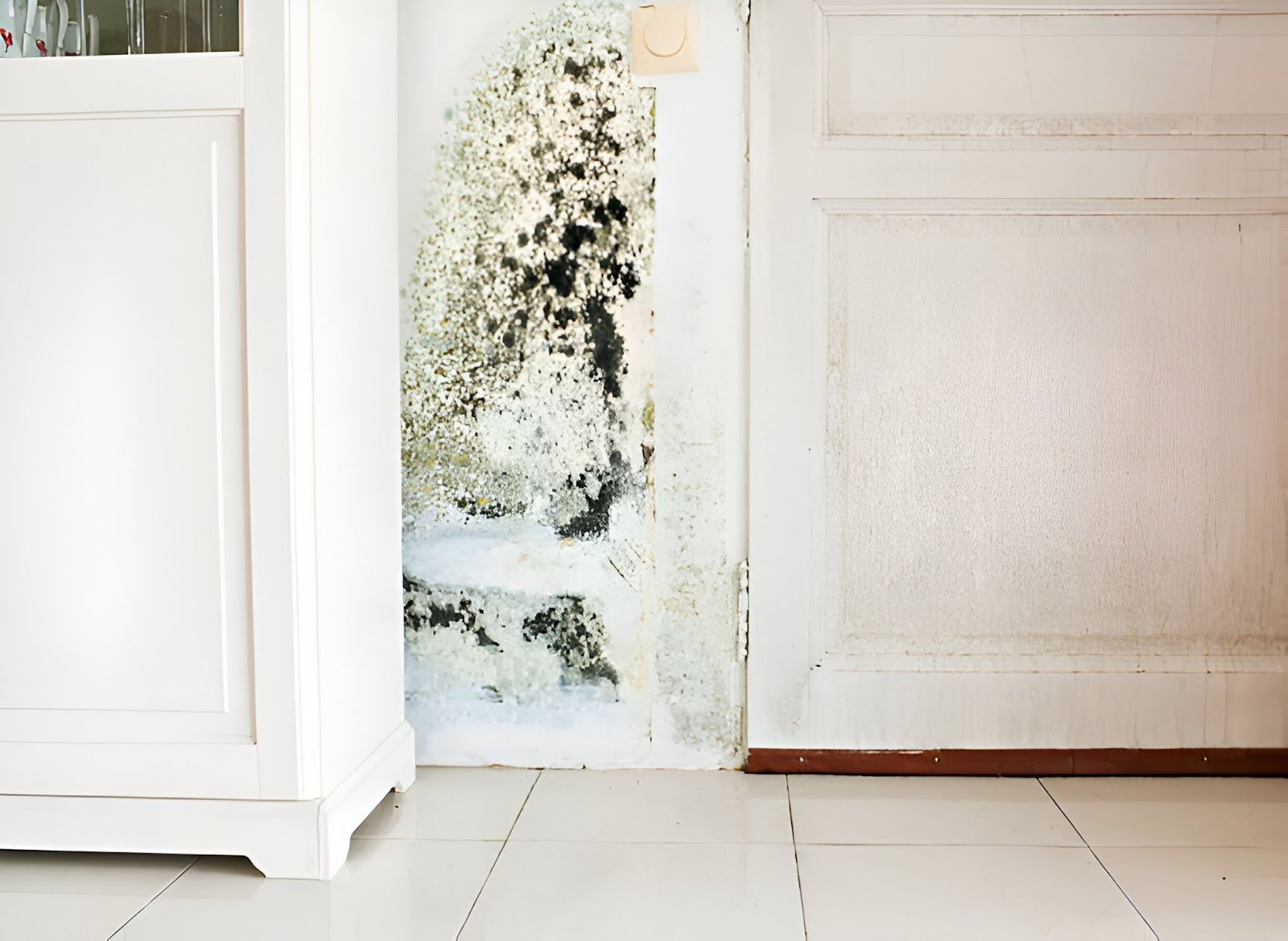
Visible mould and other signs of mould growth can also affect the cost of mould removal. Detecting mould early, often through signs such as a musty odour, discolored surfaces, or water stains on ceilings and walls, can lead to less extensive remediation efforts. However, if visible mould is allowed to flourish, a more significant mould infestation may develop, driving up the cost of mould removal. Additionally, conditions like leaks, high humidity levels, and poor ventilation serve as breeding grounds for mould, complicating removal efforts and consequently increasing the overall cost. Early intervention is key to managing mould issues effectively and keeping costs down.
How do the affected area and severity of mould growth impact costs?
The affected area and the severity of mould growth are significant factors in determining mould removal costs. A small patch of mould on a bathroom ceiling may require minimal intervention and a lower cost of mould removal, while extensive mould growth covering large areas, such as entire walls or ceilings, could require substantial work. The removal services would not only involve the physical removal of the mould but also remediation of the underlying causes of mould growth, like leaks or humidity control. Therefore, assessing the extent of the mould problem is crucial in estimating the cost of mould remediation.
What is the Average Cost of Mould Removal?
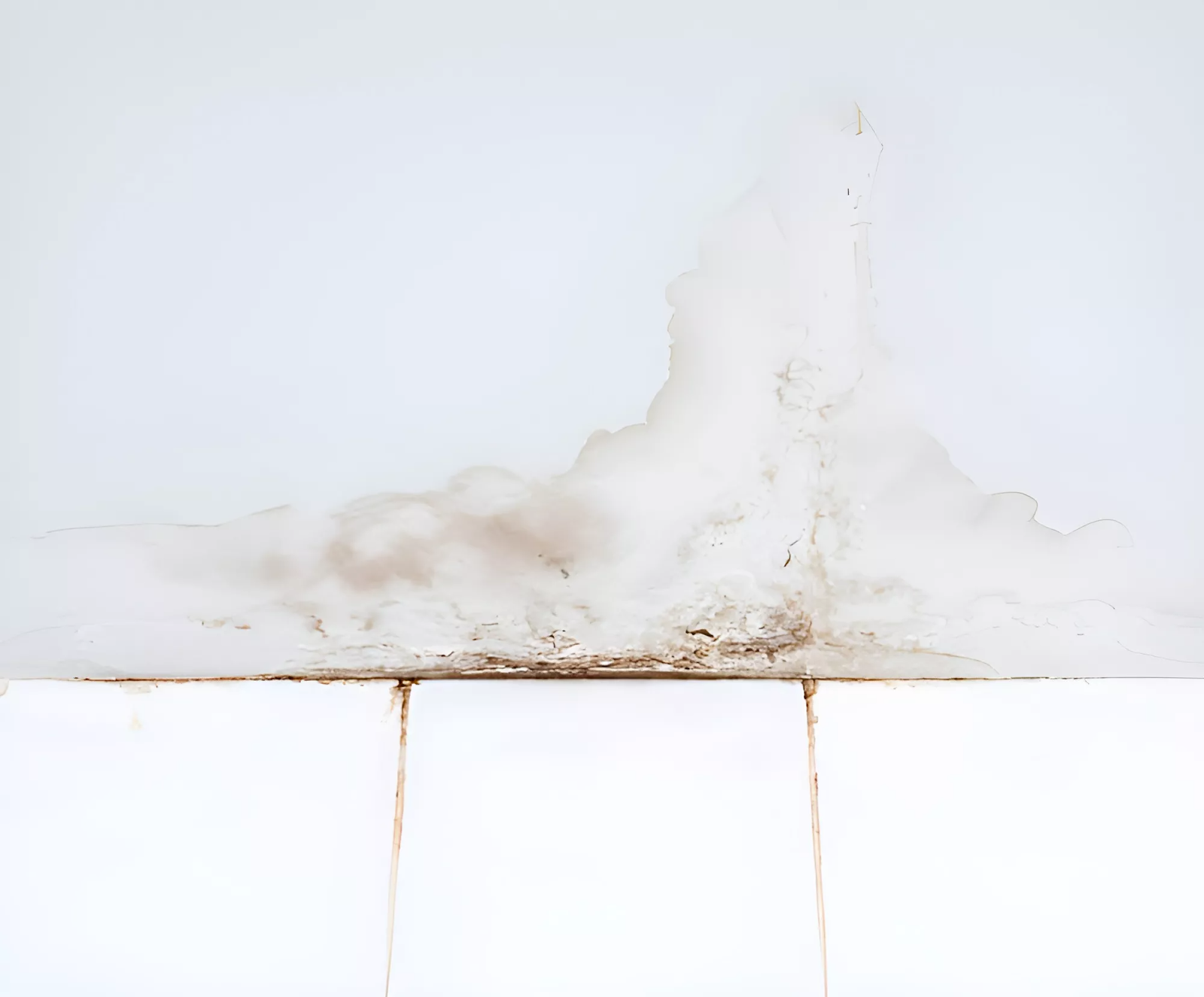
The average cost of mould removal can vary widely depending on several factors, including the type of mould and the extent of the infestation. Recent articles suggest that typical mould removal prices range from $500 to $3,000, with most homeowners spending around $1,500 on average. This price often includes mould inspection costs, the actual removal of mould, and any necessary repairs to affected areas. However, larger infestations or complicated cases may exceed these averages, particularly if extensive mould remediation is required.
The cost of mould remediation can also vary significantly by region. In metropolitan areas, where the cost of living is higher, mould removal services may charge more for their expertise and resources. Conversely, smaller towns and rural areas may offer more competitive pricing for mould removal services. When considering how much does mould removal cost, it’s essential to research local mould removal companies and their pricing structures to ensure you’re getting the best value for your investment.
Mould inspection costs are an important aspect of the overall cost of m+ould removal. A thorough inspection is necessary to identify the type of mould and the extent of the problem before proceeding with remediation. Most mould inspection fees range from $200 to $500, depending on the size of the property and the complexity of the inspection. Some mould removal companies may include inspection costs in their overall pricing, while others may charge separately. It’s advisable to clarify this during the consultation phase to avoid unexpected expenses.
How to Choose Professional Mould Removal Services?
When selecting a professional mould removalist, it’s essential to consider several factors to ensure you receive high-quality mould remediation services. Look for companies that specialize in mould removal and have a proven track record of success in handling mould issues. Check for certifications, licenses, and insurance to ensure they comply with industry standards. Reading customer reviews and testimonials can also provide insight into their reliability and effectiveness. A reputable mould removal company should conduct a thorough inspection, provide a detailed plan, and be transparent about the cost of mould removal.
How can you get a quote for mould removal services?
To get a quote for mould removal services, you can start by contacting several mould removal companies in your area. Most companies offer free consultations, during which they can inspect your property for signs of mould and provide an estimate for their services. Be prepared to share information about the extent of the mould problem, any visible mould, and previous mould inspections. This information will help the professionals give you a more accurate quote for the cost of mould remediation. Don’t hesitate to ask questions about their process, experience, and any warranties they might offer.
What are the health risks associated with not hiring a mould removalist?
Neglecting to address mould problems can pose serious health risks to you and your family. Mould spores can become airborne and lead to a variety of health issues, particularly for individuals with allergies or respiratory conditions. Common health problems linked to mould exposure include asthma attacks, allergic reactions, skin irritations, and even more severe conditions like lung infections. Professional mould removal services not only help remove mould but also address the source of mould growth to prevent future infestations, making it crucial to hire experts rather than attempting to manage mould issues independently.
How Much Does Mould Inspection Cost?
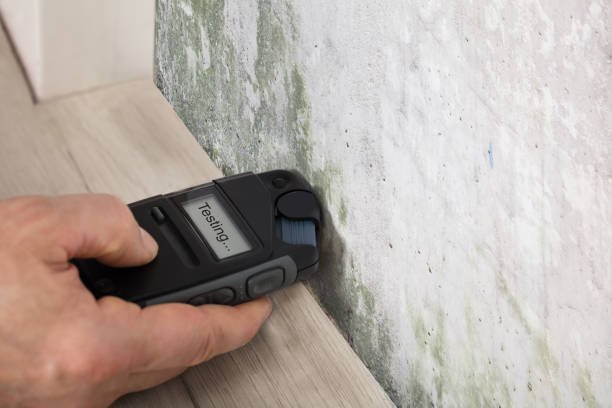
A mould inspection typically involves a comprehensive assessment of the property to identify visible mould, assess moisture levels, and inspect potential sources of mould growth such as leaks or poor ventilation. The inspector will examine areas like ceilings, walls, basements, and crawl spaces for signs of mould and may use specialized equipment to detect hidden mould or moisture issues. The cost of mould inspection is an investment in understanding the extent of the mould problem and is crucial in determining the appropriate course of action for mould remediation.
Mould inspection costs can vary based on several factors, including the size of the property, the complexity of the inspection, and regional pricing differences. Larger properties may incur higher inspection fees due to the increased time and labor required to assess the entire area thoroughly. Additionally, if the inspection reveals extensive mould issues that necessitate further testing or analysis, this may add to the overall inspection costs. It’s essential to understand these variables when considering mould inspection to budget appropriately for mould removal efforts.
Yes, there can be additional fees associated with mould inspection, particularly if specialized testing is required. For example, if air quality testing or laboratory analysis of mould samples is needed, these services may incur extra costs. It’s important to discuss these potential fees with your mould inspection provider upfront to avoid surprises. Understanding the full scope of what a mould inspection entails will help you make informed decisions about the necessary steps for effective mould remediation and prevention.
What Are the Health Risks of Mould Growth?
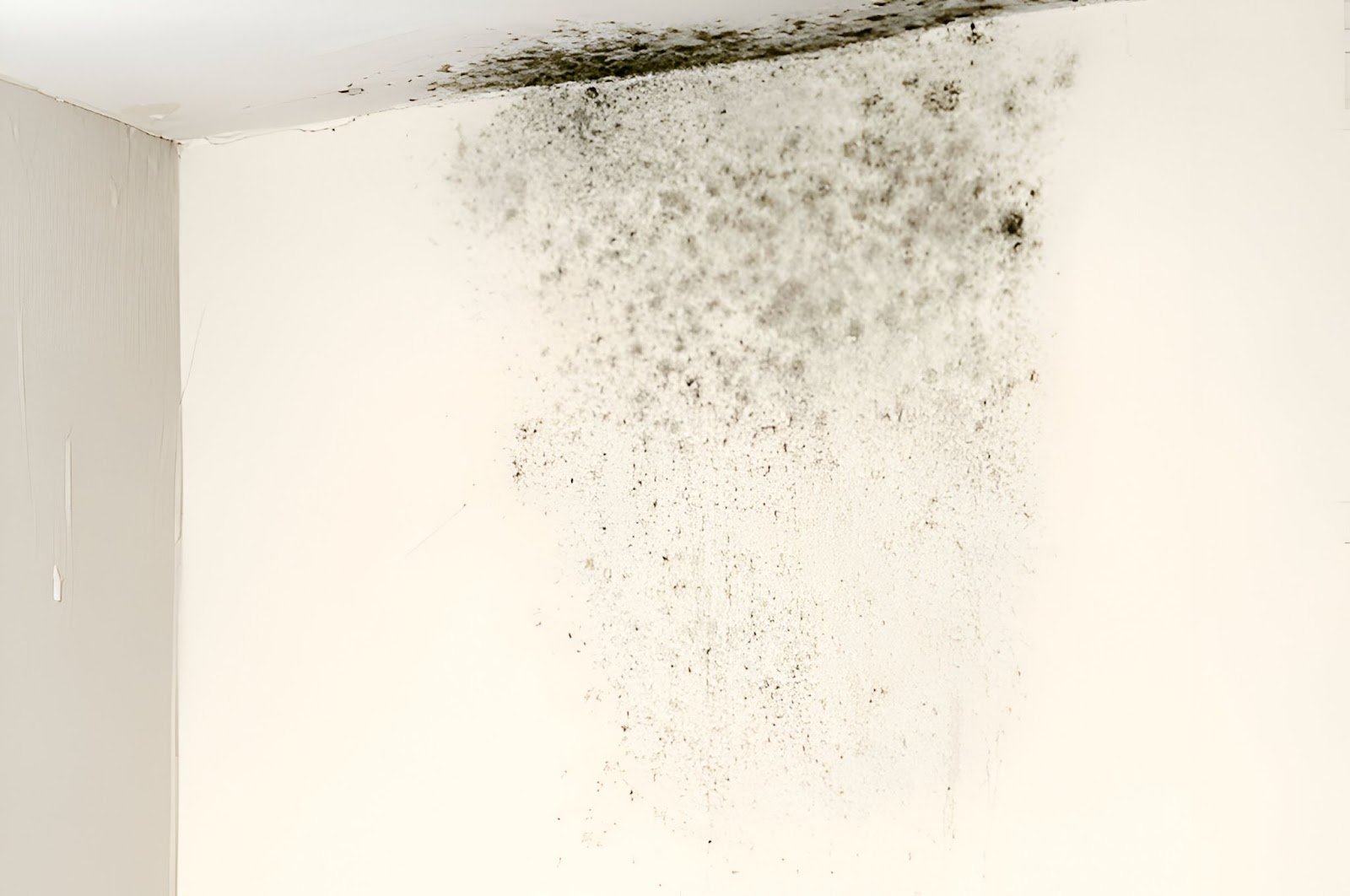
Mould spores can have a detrimental impact on health, particularly for vulnerable individuals, such as those with compromised immune systems or pre-existing respiratory conditions. When inhaled, these spores can trigger allergic reactions, leading to symptoms like sneezing, coughing, and eye irritation. In more severe cases, exposure to mould can exacerbate asthma symptoms and lead to long-term respiratory issues. Thus, understanding the health risks associated with mould is vital for anyone dealing with mould in their home or workplace.
Common health problems linked to mould exposure include a range of allergic reactions, respiratory issues, skin irritations, and in some cases, more serious infections. Individuals with asthma may experience heightened symptoms, while those with mould allergies may find their symptoms worsening due to prolonged exposure. Chronic exposure to mould can also lead to conditions such as hypersensitivity pneumonitis—a serious lung condition caused by inhaling organic dust, including mould spores. Addressing mould issues promptly through professional mould removal services can be crucial for safeguarding your health.
Preventing mould growth is essential for maintaining a healthy living environment. Key strategies include controlling humidity levels, improving ventilation, and promptly addressing leaks or water damage. Ensuring that bathrooms and kitchens are well-ventilated can help keep humidity in check, while proper insulation can prevent condensation from forming on cold surfaces. Regular inspections of areas prone to mould growth, such as basements or attics, can help catch mould problems early. By taking proactive steps to remove and prevent mould, you can reduce the likelihood of health risks associated with mould exposure.
Conclusion
In conclusion, the mould removal cost can vary significantly based on several factors, including the type of mould, the size of the affected area, and the complexity of the remediation process. In Sydney, the cost of mould removal typically ranges from $120 to $250 for smaller jobs, while larger infestations can escalate to $6,000 or more. This wide range reflects the need for professional services that not only remove mould but also address underlying issues such as poor ventilation or leaking pipes that contribute to mould growth. Understanding these costs is essential for homeowners facing a mould problem.
To effectively tackle a mould infestation, a thorough mould inspection is often necessary. This step helps identify the presence of mould spores and determine the best course of action. The average cost for a mould inspection in Sydney can range from $150 to $350, which is an important investment before proceeding with removal. Professional mould removalists use specialized tools and techniques to ensure that both visible and hidden mould is addressed, reducing health risks associated with mould exposure, such as allergies and respiratory conditions.
Mould can grow in damp areas, like ceilings and subfloors, often due to leaks or poor ventilation. The cost of mould removal varies based on factors such as the type of mould, size of the affected area, and whether you hire a professional mould removalist. For an accurate quote, it’s important to inspect your property for visible signs of mould and assess any health risks, especially if you have allergies or respiratory conditions. To effectively remove and prevent mould in your home or building, contact us today to get a quote and learn more about our mould removal services.
FAQs
The cost to remove mould in Australia can vary significantly based on several factors, including the extent of the mould problem, the type of fungus involved, and the methods used for effective remediation. On average, you might expect to pay between $500 to $3,000, depending on these factors.
Determining the cost of mould removal involves considering the size of the affected area, the severity of the mould and mildew infestation, the type of fungus, and whether structural repairs are needed. Additionally, the tools and equipment used, such as infrared cameras for detection, can also impact the overall cost.
While you may be able to remove small patches of mould yourself using appropriate mould cleaning solutions, larger infestations should be handled by professionals. They have the expertise and tools needed to effectively remove mould and prevent future mould growth.
The process for removing mould typically includes an initial inspection to assess the extent of the mould in your building, followed by containment of the affected area, removal of mould-infested materials, cleaning and sanitizing the surface, and finally, applying preventative measures to reduce moisture and prevent future mould growth.
To prevent mould, it’s important to reduce the moisture levels in your environment. This includes using dehumidifiers, ensuring proper ventilation, repairing leaks, and using mould-resistant products in susceptible areas. Regular inspections can also help identify moisture problems before they lead to mould growth.
Yes, the costs for mould removal in commercial properties may differ from residential properties. Factors such as the size of the building, the nature of the business, and the extent of mould damage can lead to increased costs. Additionally, compliance with health and safety regulations may add to the overall expense.
The duration of the mould removal process can vary based on the severity of the infestation and the size of the affected area. Generally, a thorough mould remediation plan may take anywhere from a few hours to several days to complete, especially if structural drying is necessary.